

Composite bonding has become one of the most popular cosmetic dental treatments in the UK, and for good reason: it addresses a remarkably wide range of aesthetic concerns quickly, affordably, and with minimal intervention to healthy tooth structure. Yet many patients who could benefit from the treatment are not sure whether their particular concern is suitable for it, or they assume that more invasive options such as veneers or crowns are the only route to a noticeably better smile. The truth is that composite bonding is often the most appropriate first-line solution for a broad spectrum of cosmetic issues, and in some cases it can also serve a functional role — protecting vulnerable tooth surfaces or closing gaps that trap food and contribute to hygiene difficulties.
Chipped or Fractured Teeth
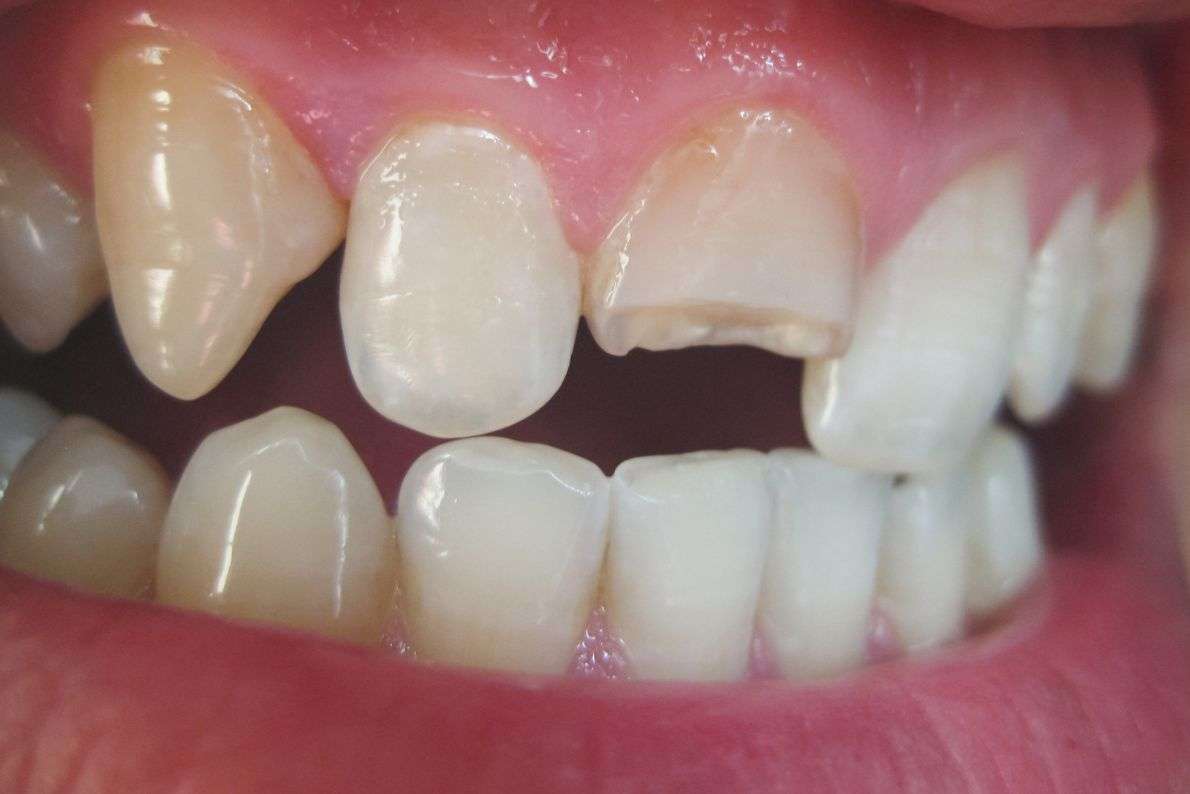
One of the clearest indications that composite bonding may benefit you is the presence of a chipped or fractured tooth. Chips most commonly affect the upper front teeth, which bear the brunt of minor impacts, but they can occur anywhere in the mouth. A chip does not need to be large or dramatic to benefit from bonding — even a small nick at the corner of a tooth can create a rough edge that irritates the tongue and draws the eye when you smile.
Composite resin is ideal for chip repair because it can be sculpted precisely to match the original tooth contour, and the material bonds directly to enamel without requiring any drilling of healthy tooth structure. The colour is matched to your natural teeth so carefully that most people cannot tell which tooth was treated. For larger fractures that extend deeper into the tooth structure, your dentist will assess whether bonding alone is sufficient or whether a crown or other restoration is more appropriate, but for the majority of cosmetic chips, bonding is the treatment of choice.
Discolouration That Whitening Cannot Address
Professional teeth whitening is an excellent treatment for most forms of surface staining and generalised tooth discolouration, but it is not effective for all types. Intrinsic discolouration — staining that originates within the tooth itself rather than on its surface — does not respond to whitening agents. Common causes of intrinsic staining include exposure to certain antibiotics (particularly tetracycline) during tooth development in childhood, dental fluorosis resulting from excessive fluoride intake, and discolouration following root canal treatment or trauma to the tooth.
When whitening will not work and a patient is self-conscious about the colour of one or more teeth, composite bonding offers an elegant solution. The dentist applies tooth-coloured composite resin over the front surface of the affected tooth, masking the discolouration completely. The result is immediate and, in skilled hands, virtually indistinguishable from a naturally white tooth. This approach is also far more conservative and affordable than porcelain veneers, making it accessible to a much wider range of patients.
Gaps Between Teeth (Diastema)
 A gap between the two upper front teeth — known as a diastema — is a common feature that many people find cosmetically bothersome. Smaller gaps can often be closed very effectively using composite bonding, by building out the edges of the adjacent teeth with carefully shaped and coloured resin until the gap narrows or disappears entirely. The procedure is straightforward, requires no preparation of the tooth, and can be completed in a single appointment.
It is worth noting that bonding is most suitable for closing gaps up to around two to three millimetres. Larger gaps may be better addressed through orthodontic treatment, which moves the teeth into a new position rather than building out the tooth surfaces. For patients who have already had orthodontic treatment and find that a small gap has persisted, or who have minor relapse after wearing a retainer, bonding is often the fastest and least disruptive way to achieve the smile they want.
Teeth That Are Smaller or Shorter Than Desired
Some patients have teeth that are naturally shorter than average, or that have worn down over time due to grinding (bruxism) or dietary acidity. Shorter teeth can give the smile a less youthful appearance, and in some cases they also affect the way the bite functions. Composite bonding can be used to add length to shortened teeth, restoring a more proportionate relationship between the teeth and the gumline and producing a fuller, more balanced smile.
Peg laterals — upper lateral incisor teeth that are unusually small and pointed — are another specific indication for bonding. These teeth are a relatively common developmental variation and can make the smile look less uniform. Building them out with composite to match the size and shape of the adjacent teeth makes a substantial difference to the overall appearance of the smile and is among the most satisfying cosmetic transformations that bonding can achieve.
Misshapen or Uneven Teeth
Not every tooth concern involves damage or discolouration. Some patients are simply unhappy with the natural shape of one or more teeth — perhaps a canine tooth is slightly pointed, an incisor edge is uneven, or the teeth lack the rounded, symmetrical appearance associated with an attractive smile. Composite bonding allows a dentist to add or refine tooth contour with a degree of precision that can meaningfully improve smile aesthetics without touching healthy enamel.
This application of bonding is sometimes described as smile sculpting or cosmetic contouring with composite, and it represents one of the purest expressions of what the treatment can achieve. In the hands of a dentist with experience in smile design, the results can be genuinely transformative, yet the treatment remains entirely reversible and leaves the underlying tooth structure completely intact.
Exposed Root Surfaces
Gum recession — whether caused by aggressive brushing, gum disease, or natural ageing — can leave the roots of the teeth partially exposed. Root surfaces are not protected by enamel and are therefore vulnerable to sensitivity, discolouration, and erosion. Composite bonding can be applied to exposed root surfaces to cover them, reducing sensitivity and improving appearance. While this is not strictly a cosmetic application, it often has cosmetic benefits alongside the protective function, and it is a less invasive alternative to surgical gum grafting in many cases.
For more information about the range of dental treatments available in the UK and when they are appropriate, the NHS guide to dental treatments provides a clear and impartial overview of options across the spectrum of dental care.
When Composite Bonding May Not Be the Right Choice
While composite bonding is versatile, it is not universally appropriate. Patients with severely misaligned teeth may find that orthodontic treatment delivers better long-term outcomes, as bonding cannot correct the underlying position of the teeth. Patients who grind heavily and do not use a night guard may find that composite chips or wears more quickly than desired. And for concerns that affect a large number of teeth, or where significant underlying structural issues exist, a more comprehensive treatment plan may be needed before or instead of bonding.
This is why a thorough consultation with an experienced dentist is so valuable. A good consultation will not simply assess whether bonding is technically possible, but whether it is genuinely the best option for your specific teeth, bite, and aesthetic goals.
Composite Bonding Suitability at a Glance
| Dental Concern | Is Composite Bonding Suitable? | Alternative if Not |
|---|---|---|
| Chipped or broken tooth edge | Yes — ideal for minor to moderate chips | Crown (for major fractures involving the pulp) |
| Intrinsic tooth discolouration (e.g. tetracycline staining) | Yes — effective at masking internal staining | Porcelain veneers (for severe cases or whole arch) |
| Small gap between front teeth (up to ~3mm) | Yes — can close gap by building out tooth edges | Orthodontics (for larger gaps or bite issues) |
| Shortened or worn teeth | Yes — can restore length and shape | Crowns or onlays (if structural damage is extensive) |
| Peg lateral incisors or small teeth | Yes — excellent results with sculpting technique | Porcelain veneers (if patient prefers longer-lasting option) |
| Exposed root surfaces / gum recession | Yes — covers root and reduces sensitivity | Surgical gum graft (for severe recession) |
| Generalised surface staining | Possibly — whitening is usually preferable first | Professional teeth whitening |
| Significant tooth misalignment | No — bonding cannot correct tooth position | Orthodontics (braces or clear aligners) |
The Importance of a Proper Assessment
Many patients come to a consultation already having decided they want composite bonding, having researched the treatment online or seen results on social media. While enthusiasm for a treatment is a good starting point, it is always worth approaching any cosmetic procedure with openness to professional guidance. A dentist with experience in cosmetic dentistry will assess not only the teeth themselves but also the gum health, bite, and overall oral condition before recommending a treatment path. If gum disease or significant decay is present, these need to be addressed before any cosmetic work is undertaken — and a reputable practice will always prioritise your dental health above cosmetic outcomes.
At Essential Dental Care in Polwarth, Edinburgh, we offer detailed smile consultations where we listen to your concerns, examine your teeth, and explain honestly which treatments are most likely to achieve the results you are looking for. We will always tell you if composite bonding is the right solution — and equally, we will tell you if something else would serve you better. To arrange a consultation, call us on 0131 229 1806 and our friendly team will be happy to help.