

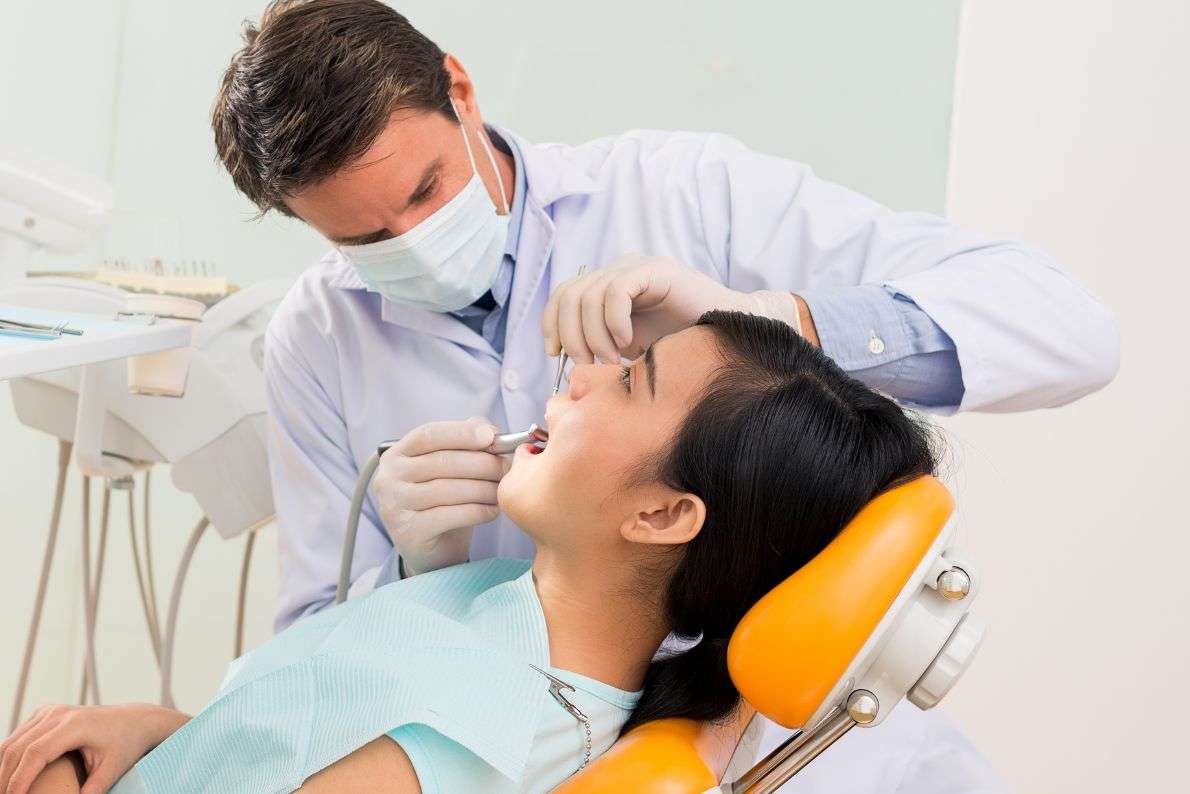
Composite bonding is one of the most straightforward cosmetic dental procedures available, and many patients are pleasantly surprised by how simple and comfortable the experience is. However, a little preparation beforehand goes a long way towards ensuring that the appointment runs smoothly, that the result meets your expectations, and that your newly bonded teeth last as long as possible. Most of the steps involved require minimal effort, but they are worth knowing in advance — particularly if this is your first cosmetic dental treatment.
Arrange a Consultation Before the Main Appointment

If you have not already had a dedicated consultation appointment, it is worth requesting one before your bonding session. A consultation gives the dentist the opportunity to examine your teeth, discuss your goals in detail, and develop a clear treatment plan. This is the moment to bring photographs of smiles you admire, to explain which specific teeth you would like improved, and to ask any questions you may have about the process, aftercare or expected results. It is also when the dentist will assess whether your teeth and gums are in good enough condition to proceed. Composite bonding should not be applied to teeth with active decay or gum disease, so any underlying issues will need to be resolved first. Attending the consultation well before the bonding appointment ensures that there are no surprises on the day and that you arrive feeling informed and prepared rather than uncertain.
Consider Having a Professional Clean Beforehand
Having a scale and polish with a dental hygienist in the weeks before your bonding appointment is one of the most useful things you can do to maximise the result. A thorough professional clean removes plaque, tartar and surface staining that regular brushing cannot address, leaving the teeth in their cleanest possible state. This matters for two reasons. First, composite resin adheres best to a clean tooth surface, and any residual deposits can compromise the bond. Second, the shade of resin the dentist selects to match your teeth will be based on their colour on the day of the appointment. If your teeth are stained at that point, the bonding will be matched to the stained colour. If you want your bonded teeth to look their brightest, arriving with clean, well-polished teeth — or with teeth that have already been whitened — gives the dentist the best possible starting point for shade matching.
Whiten First if Whitening is Part of Your Plan
This is one of the most important planning points for anyone considering both whitening and composite bonding. Composite resin does not respond to whitening agents in the way that natural enamel does. Once the resin has been applied and set, its shade is fixed. If you whiten your teeth after having composite bonding applied, the natural teeth will lighten while the bonded areas remain at their original shade, creating a noticeable mismatch. The correct sequence is always to whiten first and allow the whitening result to stabilise for at least two weeks before the bonding appointment. The dentist then matches the composite shade to the newly whitened teeth, producing a consistent and bright final result. If you are not planning to whiten, this is not a concern — but if whitening is something you have been considering, plan it first rather than as an afterthought.
Eat a Proper Meal Before Your Appointment
Composite bonding appointments, particularly those involving multiple teeth, can last between one and three hours. During this time you will be reclined in the dental chair with your mouth open for extended periods, making eating impossible until the procedure is complete. More practically, eating immediately after composite bonding is possible but comes with some initial caution, particularly around hard or crunchy foods. Having a proper, satisfying meal before you arrive means you will not be hungry during or after the appointment, and you will be able to follow any post-treatment advice about diet without inconvenience. Avoid particularly strong staining foods and drinks — such as coffee, tea, red wine, and heavily pigmented sauces — in the twenty-four hours before your appointment, as freshly bonded composite is slightly more susceptible to staining in the first day or two while the surface fully matures.
Avoid Lipstick and Heavy Cosmetics Around the Mouth
If you wear lipstick or lip gloss, it is advisable to arrive at your bonding appointment without any applied. Lip products can migrate onto the tooth surface and interfere with the conditioning and bonding process, particularly around the gum margins. The dentist and dental nurse will be working very close to the lips and will be using cotton rolls, cheek retractors and other tools to keep the field clean and dry, and cosmetics around the mouth area can complicate this. Arriving with bare lips and clean skin around the mouth area is a small consideration but a practical one that makes the clinical process more straightforward.
Arrange Time to Rest Afterwards if Needed
Composite bonding does not require sedation or local anaesthetic in most cases, and most patients can drive themselves to and from the appointment without any difficulty. However, if you have significant dental anxiety or if your dentist has recommended a form of conscious sedation such as inhalation sedation (commonly called happy gas), you will need to arrange for someone to drive you home and should not operate machinery or make important decisions for the remainder of the day. Even without sedation, some patients find that a long cosmetic appointment is mentally tiring, particularly if they have been managing anxiety throughout. Building a relaxed afternoon into your schedule after the appointment rather than rushing back to demanding commitments is a sensible approach.
Preparation Checklist
The table below summarises the key preparation steps for your composite bonding appointment, when to complete each one, and why it matters for the outcome of your treatment.
| Preparation Task | When to Do It | Why It Matters |
|---|---|---|
| Book a consultation first | Before scheduling the bonding appointment | Ensures a proper treatment plan, identifies any issues to resolve first |
| Complete any teeth whitening | At least 2 weeks before bonding | Resin cannot be whitened after application; must match the final shade |
| Attend a hygiene appointment | 1–2 weeks before bonding | Clean teeth improve resin adhesion and shade matching accuracy |
| Avoid staining foods and drinks | 24 hours before the appointment | Reduces surface staining prior to shade selection |
| Eat a full meal | Shortly before attending | Appointments can last 1–3 hours; eating during or immediately after may be restricted |
| Arrive without lip cosmetics | On the day | Lipstick and gloss can interfere with bonding materials near the gum margin |
| Arrange transport if sedated | On the day, if applicable | Patients who receive sedation cannot drive or operate machinery afterwards |
| Clear the afternoon if anxious | On the day | Allows time to rest after a potentially tiring appointment |
What to Expect on the Day
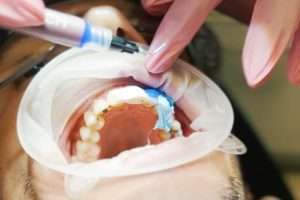
On the day of your appointment, the dentist will begin by reviewing the treatment plan and confirming the shade of resin to be used. The tooth surfaces are then gently conditioned using an etching gel, which creates a microscopic texture that helps the resin bond securely. The composite is applied in thin layers, each one shaped precisely before being hardened with the curing light. Once the desired shape is achieved, the surface is polished to a smooth, natural finish. Most patients report that the experience is comfortable and far less involved than they expected. The NHS overview of dental treatments provides additional general context on what cosmetic procedures typically involve if you would like background reading before your visit.
After the Appointment
 In the first twenty-four to forty-eight hours after composite bonding, it is sensible to avoid heavily pigmented foods and drinks, to be gentle when biting and to avoid very hard foods. The surface of composite resin is slightly more porous in the immediate period after application than it is once fully matured. After this initial period, most patients can resume their normal diet and habits without significant restriction. The dentist will advise on longer-term care, which typically includes using a non-abrasive toothpaste, wearing a night guard if you grind your teeth, and attending regular check-ups.
At Essential Dental Care in Polwarth, Edinburgh, we make every effort to ensure that your composite bonding experience is well-prepared, comfortable and delivers results that genuinely make a difference to your smile. If you have questions about the process or would like to book a consultation, please call us on 0131 229 1806 and we will be glad to assist you.