

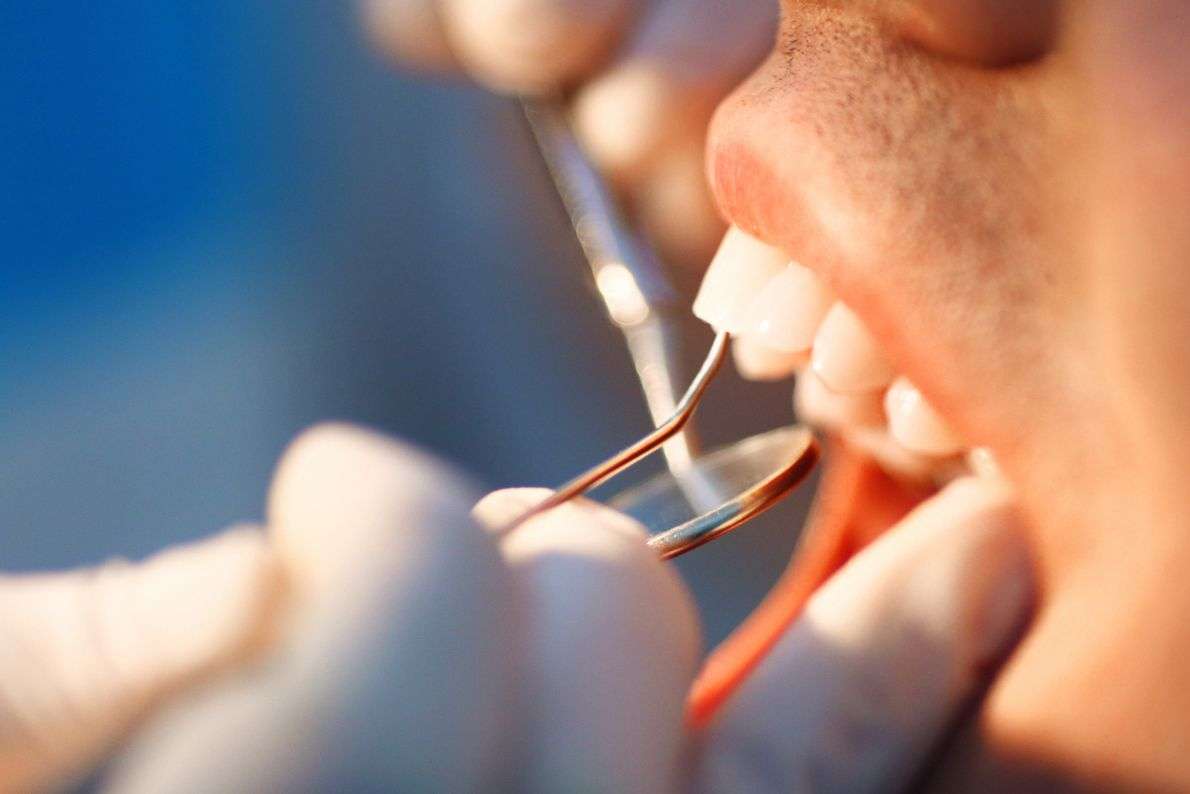
Composite bonding is widely regarded as one of the most comfortable cosmetic dental procedures available, and for the vast majority of patients the experience is genuinely pain-free. This is largely because the treatment is additive — material is built up onto the existing tooth rather than removed from it — which means the sensitive inner layers of the tooth are rarely disturbed. Patients who have been anxious about dental procedures in the past often find composite bonding surprisingly straightforward and far less daunting than they expected.
Why Composite Bonding Is Generally Painless
 To understand why composite bonding is typically painless, it helps to understand a little about tooth anatomy. The outermost layer of a tooth is enamel, which is a hard, mineralised tissue that contains no nerve endings. Pain or sensitivity arises when the dentine beneath the enamel — which is more porous and closer to the nerve — is exposed or disturbed, or when the dental pulp (the innermost soft tissue containing the nerve and blood supply) is affected. In composite bonding, the dentist works primarily on the enamel surface. A mild conditioning gel is briefly applied and then rinsed away, followed by a layer of bonding adhesive, and then the composite resin itself. None of these steps involve significant removal of tooth structure in most cases, and as a result the dentine and pulp are left undisturbed.
Local anaesthetic injections are therefore not routinely needed for composite bonding. Most patients receive no anaesthetic at all and remain entirely comfortable throughout. For patients who are particularly anxious, who have known tooth sensitivity, or who require any minor enamel reshaping as part of the bonding process, the dentist may offer a local anaesthetic injection as a precaution — but this is the exception rather than the rule. If you have had painful experiences at the dentist in the past and are concerned about sensitivity during the procedure, mention this at your consultation so your dentist can plan accordingly.
The Conditioning Gel: What It Feels Like
The step in composite bonding that patients most often notice is the application of the conditioning gel, also called the acid etch or phosphoric acid gel. This gel is applied to the enamel for a very short period — typically 15 to 30 seconds — before being thoroughly rinsed away. Its purpose is to create a microscopically roughened surface that dramatically improves the bond strength between the composite resin and the tooth. While this sounds alarming, the sensation during application is generally nothing more than a mild fizzing or tingling. Some patients notice a slightly sour taste if any gel touches their tongue, but the amount used is small and it is rinsed away completely before any further steps are taken.
After the gel is rinsed, the tooth may feel slightly sensitive for a moment as the dentine tubules react to the brief exposure — this is normal and typically resolves within seconds once the bonding adhesive is applied. The curing light used to harden each layer of composite produces no significant heat and should not cause any discomfort, though it is bright enough to require protective eyewear, which your dentist will provide.
How Does Composite Bonding Compare on Comfort to Other Cosmetic Treatments?
One of the most useful ways to understand the experience of composite bonding is to compare it directly with other common cosmetic dental treatments in terms of discomfort during the procedure, any post-treatment sensitivity, and the recovery experience. The table below provides this comparison across the most frequently requested treatments.
| Treatment | Discomfort During Procedure | Post-Treatment Sensitivity | Anaesthetic Usually Needed? | Recovery Period |
|---|---|---|---|---|
| Composite bonding | Minimal — most patients report none | Rare; mild if present, resolves in 1–2 days | No (occasionally offered for sensitive teeth) | None required |
| Professional teeth whitening (tray) | None during application | Common; sensitivity to cold for several days | No | Sensitivity typically resolves within a week |
| Porcelain veneers | Moderate — enamel reduction requires anaesthetic | Common; sensitivity until veneers are fitted | Yes — standard for preparation | Temporary veneers worn for 1–2 weeks |
| Dental crown | Moderate — significant tooth reduction required | Moderate; sensitivity until crown is fitted | Yes — always | Temporary crown worn for 1–2 weeks |
| Scale and polish (hygiene) | Mild to moderate depending on gum health | Mild soreness for 24–48 hours | Occasionally for sensitive areas | None required |
Is There Any Discomfort After Composite Bonding?
For most patients, there is no meaningful discomfort after a composite bonding appointment. You will be able to eat and drink as normal immediately after treatment, there is no swelling or bruising, and no recovery period is needed. A small number of patients notice some mild sensitivity when biting or when consuming very hot or cold food and drink in the first day or two after treatment. This is most common when the composite has been placed near the gum margin, or when a small amount of enamel adjustment was made during the appointment. This sensitivity is temporary and typically resolves within 48 hours as the tooth settles. Over-the-counter pain relief such as paracetamol or ibuprofen is rarely necessary but will resolve any discomfort quickly if it does occur.
If you notice that your bite feels uneven — that is, if one bonded tooth seems to be making contact earlier or harder than the others when you close your mouth — contact your dentist for a brief adjustment appointment. A high bite places excessive pressure on the bonded tooth, which can cause a persistent aching sensation and may also increase the risk of the composite chipping. This is a simple and quick fix that takes only a few minutes in the chair, and it is important not to leave it unaddressed.
What If I Have Dental Anxiety?
 Dental anxiety is very common, and many patients who have avoided dental treatment for years find that composite bonding — because it is non-invasive and does not typically involve injections or drilling — is a reassuring reintroduction to dental care. If you have significant dental anxiety, it is worth being open about this with your dentist from the outset. A good cosmetic dentist will explain each step before they carry it out, check in with you regularly during the procedure, and be prepared to pause and give you a moment if you need it. Some practices also offer additional anxiolysis options such as inhalation sedation (commonly known as happy gas or relative analgesia), which takes the edge off anxiety without requiring a full sedation anaesthetic.
The NHS dental treatments guide includes helpful information about dealing with dental anxiety, which may be worth reading if this is a concern for you. It is also worth remembering that modern dental materials and techniques have advanced significantly even in the last decade — procedures that were once associated with significant discomfort are now far better tolerated by the majority of patients.
Tips for a More Comfortable Composite Bonding Experience
There are several practical things you can do to ensure your composite bonding appointment is as comfortable as possible. Eating a proper meal beforehand means you will not be distracted by hunger, particularly if the appointment is a long one for multiple teeth. If you have a history of tooth sensitivity, mention this at your consultation so your dentist can use a desensitising agent during the preparation stage if appropriate. Bring headphones and listen to music or a podcast if you find the sounds of the dental environment unsettling — most dental teams are happy for patients to do this during cosmetic procedures. Ask questions at any stage you are unsure about, as understanding what is happening and why almost always reduces anxiety about the unknown.
If you have been putting off addressing a cosmetic dental concern because you assumed the treatment would be painful or unpleasant, composite bonding may well be the option that changes your mind. The procedure is genuinely one of the most patient-friendly in modern dentistry, and the results — an improved smile that you can see immediately when you leave the chair — make it one of the most satisfying too.
Ready to Find Out More?
If you have been wondering whether composite bonding might be right for you and have been held back by concerns about discomfort or the procedure itself, we would be happy to put your mind at ease. At Essential Dental Care in Polwarth, Edinburgh, we take a gentle, patient-centred approach to all cosmetic treatments and will never rush you or carry out treatment without making sure you are fully comfortable and informed. To book a consultation, call our friendly team on 0131 229 1806.