All Posts By

Essential Dental Care

Aftercare Tips Following Your Root Canal Treatment - Essential Dental Care

Aftercare Tips Following Your Root Canal Treatment

By Root Canal

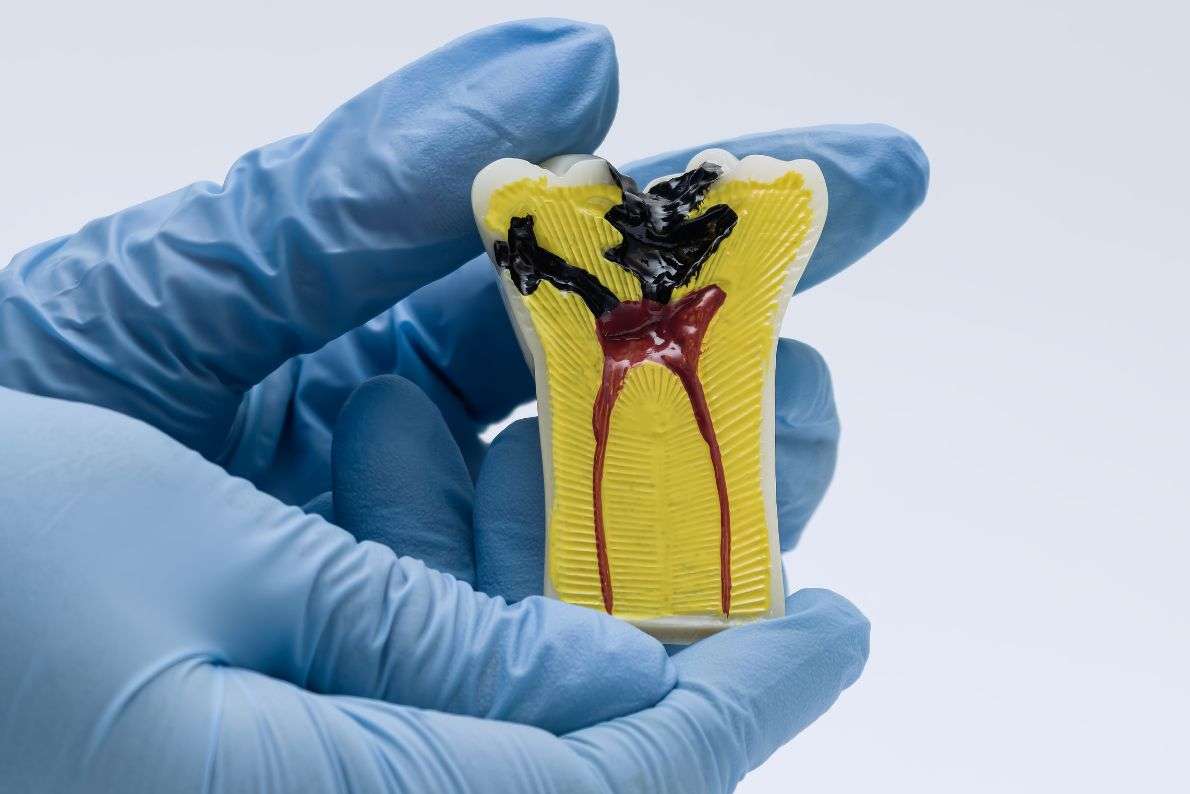
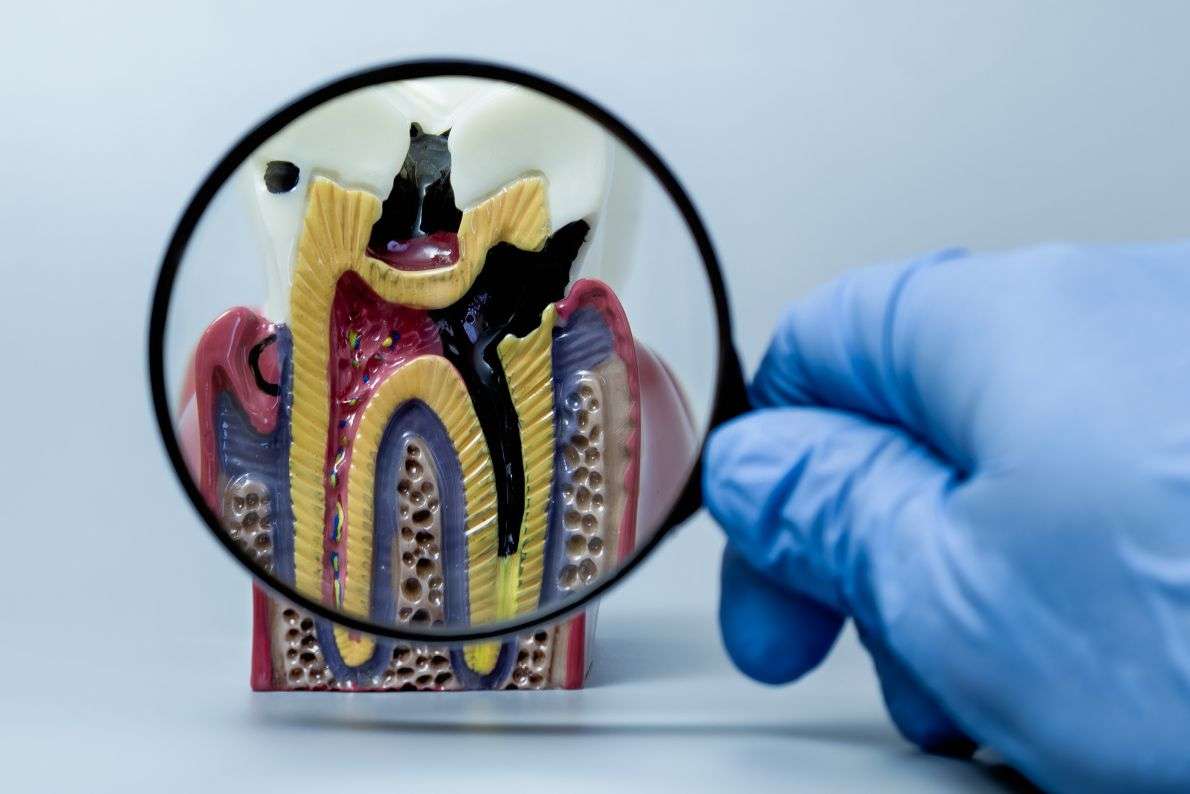
Completing your root canal treatment is a significant step towards preserving your natural tooth and eliminating the infection that was causing you discomfort. How well you care for the treated tooth in the days and weeks that follow plays an important role in how smoothly you recover and how long the results last. Good aftercare is straightforward, and most patients are back to their normal routine within a day or two.

After root canal treatment, it is completely normal to experience some mild soreness or sensitivity around the treated tooth as the local anaesthetic wears off and the surrounding tissues begin to settle. The NHS advises that this discomfort should ease within a few days and can be managed with over-the-counter pain relief such as paracetamol or ibuprofen.

The First 24 Hours After Treatment

The immediate period after root canal treatment requires a little care. Your mouth will still be numb from the local anaesthetic, which typically takes two to four hours to wear off fully. During this time, avoid eating on the treated side of your mouth, as you could inadvertently bite your cheek, lip, or tongue without realising it.

Once sensation returns, stick to soft foods for the remainder of the day. Options such as soup, yoghurt, scrambled eggs, and mashed potato are ideal. Avoid anything very hard, crunchy, or chewy until any soreness has fully settled. If your dentist has placed a temporary filling rather than a permanent restoration, be particularly careful, as temporary fillings are less robust and can be dislodged by tough foods.

Managing Discomfort

Some degree of tenderness around the treated tooth is normal for the first few days. The area around the root tip may feel slightly inflamed as it heals. Most patients find this very manageable with standard painkillers:

  • Paracetamol — Take as directed on the packaging. Effective for general soreness and safe for most adults.
  • Ibuprofen — An anti-inflammatory as well as a painkiller, which can be particularly helpful in the first day or two. Avoid if you have a history of stomach problems, kidney issues, or are pregnant. Check with your pharmacist if you are unsure.
  • Alternating both — Some patients find alternating paracetamol and ibuprofen every few hours provides better overall relief than either alone. Speak to your dentist or pharmacist if you want guidance on this.

Do not take more than the recommended dose of any medication. If pain is severe, worsening after two to three days rather than improving, or not controlled by over-the-counter medication, contact your dentist promptly.

Oral Hygiene After Root Canal Treatment

It is important to continue with your usual oral hygiene routine after treatment. Keeping the area clean reduces the risk of further infection and supports healing. Brush twice daily with a fluoride toothpaste, and continue to floss or use interdental brushes between teeth as you normally would.

Be gentle around the treated tooth for the first few days, particularly if the gum tissue around it is a little tender. You do not need to avoid the area, but there is no need to brush aggressively. A soft-bristled toothbrush is a good choice in the immediate post-treatment period.

Avoid using mouthwash that contains alcohol in the first 24 hours, as this can irritate already sensitive tissue. An alcohol-free antibacterial rinse can be beneficial once the initial healing period has passed, particularly if your dentist recommends it.

Foods to Avoid During Recovery

Protecting the treated tooth from unnecessary stress during the recovery period is important. Avoid the following until your dentist confirms the tooth is fully restored:

  • Hard foods such as raw carrots, crusty bread, nuts, and hard sweets
  • Chewy foods like tough meat, toffee, or bagels
  • Sticky foods that could dislodge a temporary filling
  • Extremely hot or cold food and drink, as the tooth may be temporarily more sensitive

These restrictions typically apply only for the first week or two. Once a permanent crown is in place, your tooth will be considerably better protected.

The Importance of Your Follow-Up Appointment

Root canal treatment is rarely a one-and-done appointment. Whether your dentist has placed a temporary filling or completed treatment in one session, a follow-up is usually needed to place a permanent crown. This is a critical step that should not be delayed. A temporary filling is not designed to be a permanent solution and will not offer the long-term protection the tooth needs.

The crown seals the tooth against reinfection, protects the remaining tooth structure from fracture, and restores normal bite function. Most dentists recommend fitting the crown within a few weeks of completing the root canal procedure. Delaying this can increase the risk of the tooth cracking or becoming reinfected.

Aftercare Summary

Time After TreatmentRecommended Actions
0–4 hoursAvoid eating; anaesthetic is still active
First 24 hoursSoft foods only; avoid the treated side; take painkillers if needed
Days 2–5Gentle brushing; continue soft diet; monitor for unusual symptoms
First weekAvoid hard, sticky, or chewy foods; no alcohol-based mouthwash
Within a few weeksAttend follow-up appointment; have permanent crown fitted
OngoingBrush twice daily; floss regularly; attend routine dental check-ups

Signs That Require a Prompt Dental Review

While mild tenderness is normal, certain symptoms should prompt you to contact your dentist rather than wait for your next scheduled appointment. These include:

  • Increasing pain or swelling rather than gradual improvement after two to three days
  • A return of the severe toothache you had before treatment
  • Swelling in the face, jaw, or neck
  • A raised temperature or feeling generally unwell
  • The temporary filling coming out or cracking before your follow-up
  • An uneven bite that does not settle within a few days

None of these outcomes are common, but when they do occur, early attention gives the best chance of a straightforward resolution.

Long-Term Care of a Root-Treated Tooth

Once your crown is in place and the tooth has healed, your day-to-day care routine is much the same as for any other tooth. Brush and floss consistently, attend your regular dental check-ups, and let your dentist know if you notice any changes. If you grind your teeth at night, a custom night guard is worth considering, as grinding places excessive force on all teeth and can shorten the lifespan of a crown.

Root-treated teeth, when properly restored and maintained, can last for many years — in some cases a lifetime. The key is not to treat treatment completion as the end of the story, but to follow through with the restorative work and ongoing care that keeps the tooth healthy.

At Essential Dental Care, we guide every patient through the aftercare process and are always available if you have concerns following treatment. Good aftercare is something we take seriously, and we will make sure you have all the information you need before you leave the practice. If you have recently had root canal treatment or are preparing for a procedure, give us a call on 0131 229 1806 — we are here to support you at every step.
What Is a Scale and Polish and Do You Need One - Essential Dental Care

What Is a Scale and Polish and Do You Need One?

By Hygienist

Most of us brush twice a day, perhaps floss when we remember, and rinse with a minty mouthwash that makes us feel virtuous. Yet even the most diligent home routine has its blind spots. Tartar builds up in the corners your toothbrush can’t quite reach, gums quietly signal that something is off, and before long, a visit to the dentist reveals that your teeth need a little more attention than a quick brush can provide. That’s where a professional scale and polish comes in — and if you’ve ever wondered exactly what it involves, whether it hurts, and whether you actually need one, you’re in the right place.

What Is a Scale and Polish and Do You Need One - Essential Dental CareWhat Is a Scale and Polish?

A scale and polish is a professional dental cleaning procedure carried out by a dentist or dental hygienist. It has two distinct stages, as the name suggests. The scaling phase involves removing hardened deposits of tartar (also called calculus) from the surfaces of your teeth and along the gum line. These deposits cannot be shifted by brushing at home — once plaque hardens into tartar, it bonds firmly to the tooth surface and requires professional instruments to remove safely.

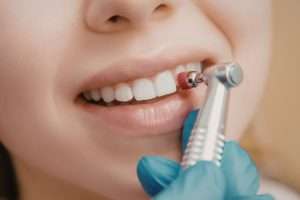
The second stage, the polish, uses a slightly gritty paste and a small rotating rubber cup or brush to buff the surfaces of your teeth. This removes surface staining caused by tea, coffee, red wine, and tobacco, leaving your teeth feeling smooth and looking noticeably cleaner. That satisfying squeaky-clean sensation you feel when you run your tongue over your teeth after a hygienist appointment? That’s the result of the polish.

The whole procedure typically takes between 30 and 60 minutes depending on the amount of build-up present and whether additional treatments such as air-flow cleaning or deeper periodontal work are required. For most patients, it is entirely comfortable — a little pressure and scraping sensation, but no real pain. If your gums are inflamed or particularly sensitive, there may be some mild discomfort, and your hygienist can adjust their technique or apply a topical numbing gel to help.

What Is a Scale and Polish and Do You Need One - Essential Dental CarePlaque vs. Tartar: Understanding the Difference
It helps to understand why tartar forms in the first place. Plaque is a sticky, colourless film of bacteria that constantly forms on your teeth. When you brush and floss regularly, you remove most of this plaque before it can do lasting harm. However, any plaque that is left undisturbed for around 24 to 72 hours begins to mineralise — absorbing calcium and other minerals from your saliva — and hardens into tartar. Once that process is complete, no amount of brushing will shift it.

Tartar is porous and rough, which means it provides an ideal surface for yet more plaque to accumulate. Left untreated, this cycle contributes to gum disease (known clinically as gingivitis in its early stages, and periodontitis if it progresses further), tooth decay, and eventually tooth loss. Regular professional cleaning interrupts this cycle before it can take hold.

Do You Actually Need One?

The short answer is: almost certainly yes, at some point. The longer answer depends on your individual circumstances. Some people are naturally more prone to tartar build-up due to the composition of their saliva, their diet, or whether they smoke. Others may go longer between appointments without significant accumulation. Your dentist or hygienist is best placed to advise how frequently you personally should have a professional clean.

As a general guide, the following signs suggest it’s time to book an appointment:

  • Your gums bleed when you brush or floss, even gently
  • You notice yellowish or brownish deposits forming near the gum line
  • Your breath feels persistently stale despite good oral hygiene habits
  • Your teeth feel rough or “furry” rather than smooth
  • It has been longer than 12 months since your last professional clean

For useful background reading on maintaining healthy gums and teeth between appointments, the NHS: Healthy Teeth and Gums guidance is a reliable and straightforward resource worth bookmarking.

What Happens During Your Appointment

Before the cleaning begins, your dental professional will examine your mouth, checking your gums and noting any areas of particular concern. They may use a small probe to gently measure the depth of the pockets around your teeth — a quick and usually painless assessment that helps identify any signs of gum disease.

Scaling is typically performed using one of two methods: hand instruments called scalers and curettes, or an ultrasonic scaler that uses high-frequency vibrations and a fine water spray to dislodge tartar. Many practices use a combination of both, switching between them depending on the location and stubbornness of the deposits. The ultrasonic scaler is particularly effective and tends to feel less intrusive than patients expect.

Once scaling is complete, the polish is applied and the hygienist works methodically around each tooth. The appointment usually concludes with personalised advice about your home routine — technique adjustments, product recommendations, and a suggested timeframe for your next visit.

Scale and Polish vs. Other Cleaning Options

Patients sometimes ask how a standard scale and polish compares to other treatments they may have heard about. The table below offers a helpful overview:

TreatmentWhat It AddressesTypical DurationWho It Suits
Scale and PolishSurface tartar build-up and mild staining30–60 minutesMost patients as routine maintenance
Air-Flow PolishingSurface and interproximal staining, biofilm removal30–45 minutesPatients with heavy staining or orthodontic appliances
Root Surface Debridement (Deep Clean)Tartar below the gum line on root surfaces60–90 minutes per quadrantPatients with moderate to advanced gum disease
Periodontal MaintenanceOngoing management following gum disease treatment45–60 minutesPatients previously treated for periodontitis
Home Hygiene RoutineDaily plaque removal from accessible surfaces4–6 minutes dailyEveryone — the essential foundation of oral health

How Often Should You Have Your Teeth Professionally Cleaned?

There is no universal answer, and anyone who tells you otherwise is oversimplifying. Historically, the idea of a check-up every six months became widely accepted, but current clinical thinking recognises that frequency should be tailored to the individual. If you have a history of gum disease, smoke, have diabetes, or are pregnant — all of which can affect gum health — more frequent visits of every three to four months may be appropriate. If your oral health is excellent and tartar builds up slowly, annual professional cleaning alongside your routine check-up may be perfectly sufficient.

The key is to have an honest conversation with your dentist or hygienist about your specific risk factors and history. They will be able to recommend a schedule that genuinely fits your needs rather than a one-size-fits-all approach.

5 Key Benefits of Dental Bridges You Should Know About

5 Key Benefits of Dental Bridges You Should Know About

By Bridges

Tooth loss affects far more than aesthetics. The gap left by a missing tooth creates a chain of consequences — from shifting neighbouring teeth to changes in bite and chewing ability — that can affect oral health for years if left unaddressed. Dental bridges have been one of dentistry’s most reliable solutions to this problem for decades, and their enduring popularity comes down to a combination of practical, cosmetic, and functional advantages that few other treatments can match across the same range of patients.

Understanding the benefits of dental bridges helps you weigh them against alternatives and have a more informed conversation with your dentist about the right path for your smile. Here are five key advantages that make bridges a genuinely compelling option for many patients with missing teeth.

1. A Fixed, Natural-Looking Restoration

One of the most significant benefits of a dental bridge is that it is fixed in place. Unlike a removable partial denture, you do not take it out at night or worry about it shifting when you eat or speak. The bridge is cemented permanently onto the supporting teeth, giving it the feel of a natural part of your mouth rather than an appliance that you are wearing.

Modern bridge materials — particularly all-ceramic and porcelain options — are designed to replicate the appearance of natural teeth with impressive accuracy. The artificial tooth in the middle of the bridge (the pontic) is crafted to match the colour, shape, and size of the surrounding teeth, meaning the restoration blends into the smile almost invisibly. For many patients, the cosmetic result is one of the most immediate and gratifying changes they notice after treatment.

This combination of fixed retention and natural aesthetics makes bridges particularly appealing for teeth in visible areas of the smile, where both function and appearance matter equally.

2. Restored Chewing Function and Comfort

Missing a tooth — even one at the back of the mouth that is not visible — affects how effectively you can chew. The remaining teeth compensate, often unevenly, which places additional stress on specific parts of the jaw and can lead to premature wear. A dental bridge restores the full biting surface of the arch, redistributing chewing forces more evenly and allowing you to eat a wider range of foods comfortably.

Many patients find that they had unconsciously been avoiding certain foods since losing a tooth — anything firm, chewy, or requiring significant bite force. After bridge placement, they are able to enjoy these foods again without discomfort or self-consciousness. This improvement in dietary freedom is a practical benefit that has a genuine positive impact on daily life.

3. Prevention of Tooth Drift and Bite Changes

Teeth are maintained in position partly by the pressure of neighbouring teeth against them. When a gap opens up, the teeth on either side no longer have that contact and will gradually tilt or shift into the space. The opposing tooth in the upper or lower jaw may also begin to over-erupt, moving upward or downward as it loses its counterpart to bite against.

These shifts happen slowly and may go unnoticed for months or years, but their effects accumulate. Changes in the alignment of the bite can lead to jaw discomfort, uneven wear on the enamel of remaining teeth, and make future restorative work more complicated. A bridge placed promptly after tooth loss holds the surrounding teeth in their correct positions and prevents this gradual deterioration.

4. Faster Treatment Timeline Than Implants

For patients who need a replacement tooth within weeks rather than months, bridges offer a significant practical advantage over dental implants. An implant requires a surgical procedure followed by an osseointegration period of three to six months while the titanium post fuses with the jawbone before the crown can be placed. The entire process from surgery to finished tooth typically takes six to nine months.

A dental bridge, by contrast, can usually be completed in two or three appointments over a period of two to three weeks. After the abutment teeth are prepared and impressions taken, the bridge is fabricated by a dental laboratory and then fitted at a follow-up appointment. For patients who have an event coming up, are concerned about prolonged treatment, or simply want a resolution as quickly as possible, this is a meaningful advantage.

5. Long-Term Reliability and Cost-Effectiveness

A well-made and well-maintained dental bridge provides excellent value over its lifespan. According to the NHS dental treatments guide, bridges are a recognised restorative treatment available to patients in need of tooth replacement, and with proper care they can last ten years or longer. Porcelain-fused-to-metal bridges in particular have a long clinical track record with high success rates reported over a decade of use.

When the cost of a bridge is spread across a decade or more of use, the investment becomes highly competitive compared with alternative solutions. Bridges do not require the surgical procedure associated with implants and are generally less costly to place. Whilst eventual replacement is likely to be needed at some point, the maintenance requirements in the intervening years are minimal — primarily good oral hygiene at home and regular dental check-ups.

Summary: Key Benefits at a Glance

BenefitWhat It Means for You
Fixed, natural-looking restorationNo removal needed; blends seamlessly with surrounding teeth
Restored chewing functionEat more comfortably and enjoy a wider range of foods
Prevents tooth driftKeeps neighbouring and opposing teeth in correct position
Faster treatment than implantsComplete in 2–3 weeks rather than 6–9 months
Long-term reliability10+ years with good care; cost-effective over time

Who Is Most Likely to Benefit From a Dental Bridge?

Bridges are particularly well-suited to patients who have one or more missing teeth with healthy, stable teeth on either side of the gap. They are a strong option when those adjacent teeth already have crowns or significant restorations, since the bridge preparation does not remove additional healthy tooth structure beyond what is already compromised. Patients who are not suitable for implants due to insufficient bone, medical factors, or cost constraints often find that a bridge delivers excellent results.

Bridges are also a sensible option for patients who want to avoid surgical treatment entirely. The bridge procedure is carried out under local anaesthetic with no incisions or bone work involved, making it accessible to a broader range of patients including those who feel anxious about more invasive procedures.

A Sixth Benefit Worth Mentioning: Speech Improvement

Whilst the five benefits above cover the main reasons patients choose bridges, there is a sixth advantage that is often overlooked: the improvement in speech that a bridge can bring. Missing teeth — particularly front teeth — affect the way certain sounds are formed. The tongue, lips, and teeth work together to produce speech, and a gap in the dental arch can create an audible difference in how words come out. Some patients develop a slight lisp or notice that particular consonants are harder to form clearly.

A dental bridge fills the gap and restores the normal architecture of the mouth, allowing speech to return to its natural pattern. This improvement often happens quickly once the bridge is fitted, though patients sometimes need a brief adjustment period to get used to the presence of the restoration. For patients whose missing tooth has had an impact on their speech and confidence in conversation, this can be a particularly welcome change.

Caring for Your Bridge to Maximise Its Lifespan

Getting the most from a dental bridge comes down to consistent care. Brushing twice daily and cleaning beneath the pontic using floss threaders or interdental brushes prevents plaque from accumulating around the supporting crowns and gum margin. Attending regular hygiene appointments allows a professional to clean areas that are difficult to reach at home and monitor the health of the supporting teeth and gum tissue. Avoiding habits such as teeth grinding or biting on hard objects protects the bridge from unnecessary stress and helps extend its working life.

It is also worth mentioning that patients who clench or grind their teeth at night — a condition known as bruxism — may benefit from a night guard worn over the bridge to protect it from the additional force this places on the restoration. This is a simple precaution that a dentist can advise on during a routine check-up. Catching any issues early through regular dental visits is the most effective way to ensure a bridge remains in good condition for as long as possible.

At Essential Dental Care, we have helped many patients in Edinburgh restore their smiles with high-quality dental bridges and achieve results that last. If you are considering a bridge and want to find out whether it is the right option for your situation, call us on 0131 229 1806 — our team will be happy to walk you through everything involved.

What to Expect from Root Canal at Your Edinburgh Dentist

What to Expect from Root Canal at Your Edinburgh Dentist

By Root Canal

There is a certain amount of anxiety that tends to accompany the words “root canal”, and much of it comes from simply not knowing what to expect. The reality for most patients is far more manageable than they anticipate. Root canal treatment is a well-established dental procedure carried out under local anaesthetic, and the majority of patients are pleasantly surprised at how straightforward it turns out to be.

Knowing what will happen at each stage — from your first consultation through to recovery — makes the experience considerably less daunting. This guide takes you through the whole process of root canal treatment at a dental practice in Edinburgh, so you know exactly what to expect from the moment you book your appointment.

Before Your Appointment

If you are experiencing tooth pain, prolonged sensitivity to hot or cold, swelling in the gum, or a persistent ache in your jaw, these may be signs that the pulp inside your tooth has become infected. Your dentist will usually identify the need for root canal treatment during an examination — sometimes routine, sometimes prompted by symptoms you have reported.

Before treatment begins, your dentist will take X-rays of the affected tooth and the surrounding bone. These images help determine how many root canals the tooth has, how they are shaped, and whether the infection has spread beyond the tooth itself. This planning stage is important — it allows your dentist to anticipate any complexities and ensure the procedure is carried out as efficiently as possible.

You do not need to do anything special to prepare for root canal treatment. You can eat and drink normally beforehand, though some patients prefer to avoid a large meal immediately before the appointment in case they feel apprehensive. It is a good idea to take any regularly prescribed medication as normal unless your dentist advises otherwise.

Arriving for Your Appointment

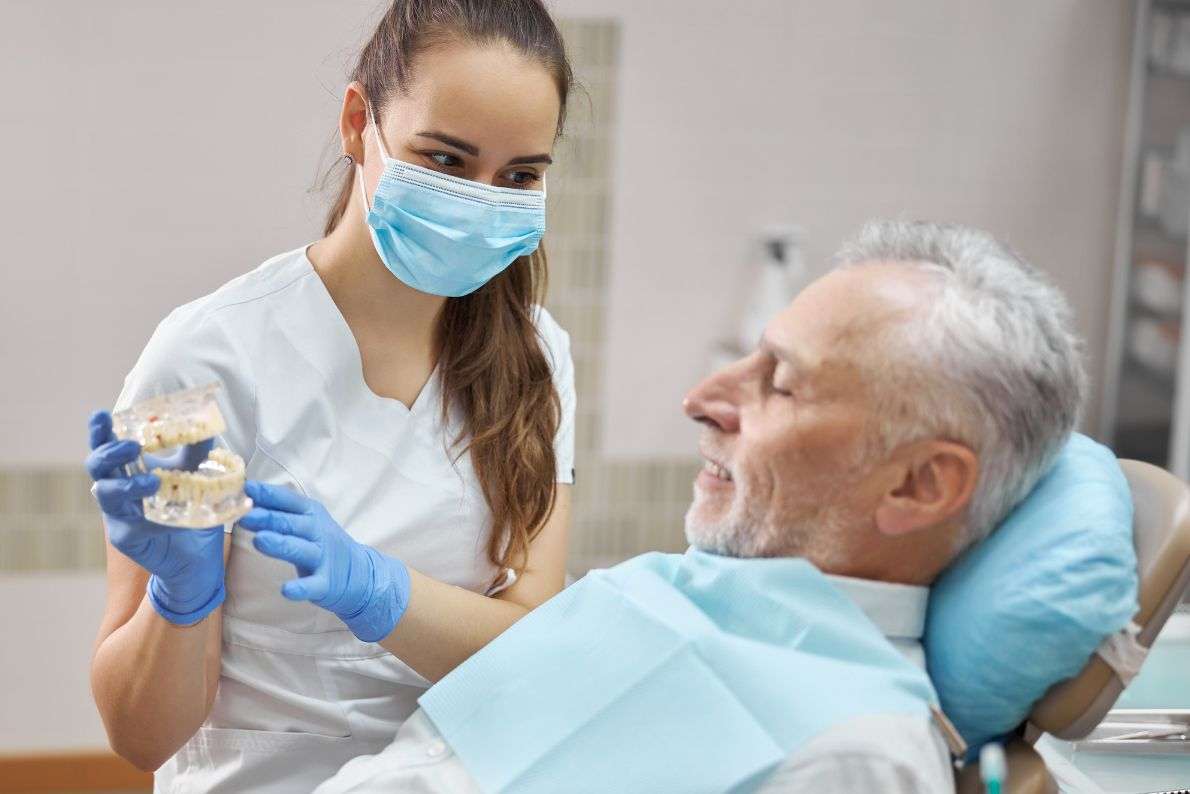
What to Expect from Root Canal at Your Edinburgh Dentist - Essential Dental CareWhen you arrive, your dentist will review your X-rays and confirm the treatment plan with you. This is a good opportunity to ask any questions you have and to mention any anxieties or concerns. A good dentist will ensure you feel fully informed and comfortable before proceeding.

If you have dental anxiety, it is worth letting the practice know when you book your appointment. This allows them to arrange extra time if needed and to discuss options for making the experience more comfortable, whether that is simply taking things at a slower pace or considering additional sedation options.

The Procedure: Step by Step

Anaesthetic

The first thing your dentist will do is administer a local anaesthetic to numb the tooth and the surrounding gum and bone. The injection itself may cause a brief stinging sensation, but within a few minutes the area will be completely numb. Your dentist will check that you cannot feel any sharp sensations before proceeding.

Rubber Dam Placement

A thin rubber sheet called a dental dam is secured around the tooth being treated. This keeps the area dry and clean throughout the procedure, prevents any debris from falling into your mouth or throat, and ensures the irrigating solutions used to disinfect the canals stay exactly where they are needed.

Opening the Tooth

Using a dental drill, your dentist will make a small opening through the crown of the tooth to gain access to the pulp chamber below. For front teeth, this opening is usually made at the back; for molars and premolars, it is made through the biting surface.

Removing the Pulp

Thin, flexible instruments are used to carefully remove the infected or inflamed pulp from the pulp chamber and root canals. The canals are then shaped using progressively larger files to ensure they can be thoroughly cleaned and filled.

Irrigating and Disinfecting

Throughout the cleaning process, the canals are flushed with antibacterial solutions — commonly sodium hypochlorite — to remove any remaining debris and bacteria. This is a critical stage in ensuring the infection does not return.

Filling the Canals

Once the canals are clean and shaped, they are dried and filled with a biocompatible rubber material called gutta-percha. This is compacted into the canals and sealed with dental cement to prevent bacteria from re-entering.

Temporary or Permanent Restoration

At the end of the appointment, the opening in the tooth is closed with either a temporary or permanent filling. If further appointments are needed — for example, to allow time for antibiotics to take effect or for a crown to be prepared — a temporary filling is placed. The tooth should be protected with a permanent restoration, usually a crown, before too long.

What You Might Feel During Treatment

Under local anaesthetic, you should not feel any sharp pain during the procedure. What you will likely experience includes:

  • A sense of pressure or movement as instruments work inside the tooth
  • Vibration from certain instruments
  • A slight taste from the irrigating solutions (the rubber dam minimises this)
  • Jaw tiredness from keeping your mouth open, particularly for longer appointments

At any point during the procedure, if you experience discomfort, you can signal to your dentist to stop. Do not feel you need to endure any pain — more anaesthetic can be given if required.

After Your Appointment: What to Expect

Once the anaesthetic wears off — usually within a few hours — you may notice some tenderness around the treated tooth and in the surrounding gum. This is completely normal and is a response to the work carried out inside the tooth. It typically settles within two to four days.

Over-the-counter pain relief such as paracetamol or ibuprofen is usually sufficient to keep any post-treatment discomfort manageable. The NHS recommends avoiding biting hard foods on the treated tooth until it is fully restored, and continuing to brush and clean around it as normal.

After-Treatment Care at a Glance

TimeframeWhat to ExpectWhat to Do
First few hoursNumbness in the treated areaAvoid hot food and drinks until sensation returns
24 – 48 hoursTenderness around the tooth and gumTake paracetamol or ibuprofen as needed
2 – 4 daysGradual reduction in sorenessAvoid chewing on the treated tooth
1 – 2 weeksTooth should feel settledAttend follow-up for crown fitting
Long-termTooth fully functional with crown in placeMaintain normal oral hygiene routine

When to Contact Your Dentist After Treatment

Most post-treatment discomfort is mild and short-lived. However, you should contact your dentist if:

  • Pain is severe or worsening rather than improving
  • Swelling develops in the face, jaw, or neck
  • You develop a fever
  • The temporary filling falls out before your next appointment
  • You notice any visible signs of infection, such as a swollen or discharging gum

Getting Your Crown Fitted

Root canal treatment leaves the tooth structurally sound but more vulnerable to fracture than a tooth with its pulp intact. For this reason, your dentist will recommend having a crown fitted over the treated tooth. This protects it from cracking and restores it to full function. The crown appointment is typically straightforward and is carried out a few weeks after the root canal itself.

At Essential Dental Care, we make it our priority to ensure every patient feels informed, comfortable, and well looked after throughout their root canal treatment. From your initial consultation to your final crown fitting, our Edinburgh team is with you at every stage. To book an appointment or ask any questions, call us on 0131 229 1806 — we would be glad to help.

What is EMS Airflow Guided Biofilm Therapy

By Hygienist

If you’ve ever left a dental hygiene appointment feeling that your teeth could have been cleaner — or perhaps a little tender from the scraping and scaling — you’ll be pleased to know that dental technology has moved on considerably. EMS Airflow Guided Biofilm Therapy (GBT) is a modern approach to professional dental cleaning that is quietly transforming the experience for patients across the UK. Rather than relying solely on traditional metal instruments, GBT uses a precisely directed warm water spray combined with a fine, specially formulated powder to remove the soft bacterial deposits that build up on and between your teeth every single day. The system was developed by EMS (Electro Medical Systems), a Swiss dental technology company with decades of experience in dental hygiene innovation. Their Guided Biofilm Therapy protocol isn’t simply a new gadget — it’s a complete rethinking of how a hygiene appointment should be structured, from the moment you sit in the chair to the moment you leave with genuinely clean teeth.

What is EMS Airflow Guided Biofilm Therapy - Essential Dental CareWhat Is Dental Biofilm, and Why Does It Matter?
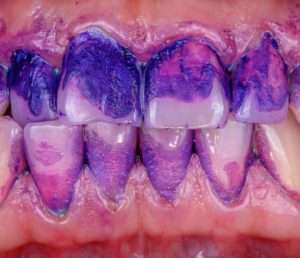
Before understanding what GBT does, it helps to understand what it’s targeting. Dental biofilm — commonly known as plaque — is a sticky, organised community of bacteria that forms on the surfaces of your teeth within hours of eating. Left undisturbed, this biofilm hardens into tartar (also called calculus), which cannot be removed by brushing alone and creates an environment where harmful bacteria can thrive. Over time, this contributes to tooth decay, gum disease, and in more serious cases, bone loss around the teeth.

The good news is that soft biofilm is actually quite easy to remove when the right tools are used. The challenge has always been making that removal thorough, comfortable, and consistent — and that’s precisely where Guided Biofilm Therapy excels. For a broader overview of how bacteria affect your oral health day to day, the NHS: Healthy Teeth and Gums guidance offers excellent, accessible reading.

What is EMS Airflow Guided Biofilm Therapy - Essential Dental CareHow Does the GBT Process Actually Work?

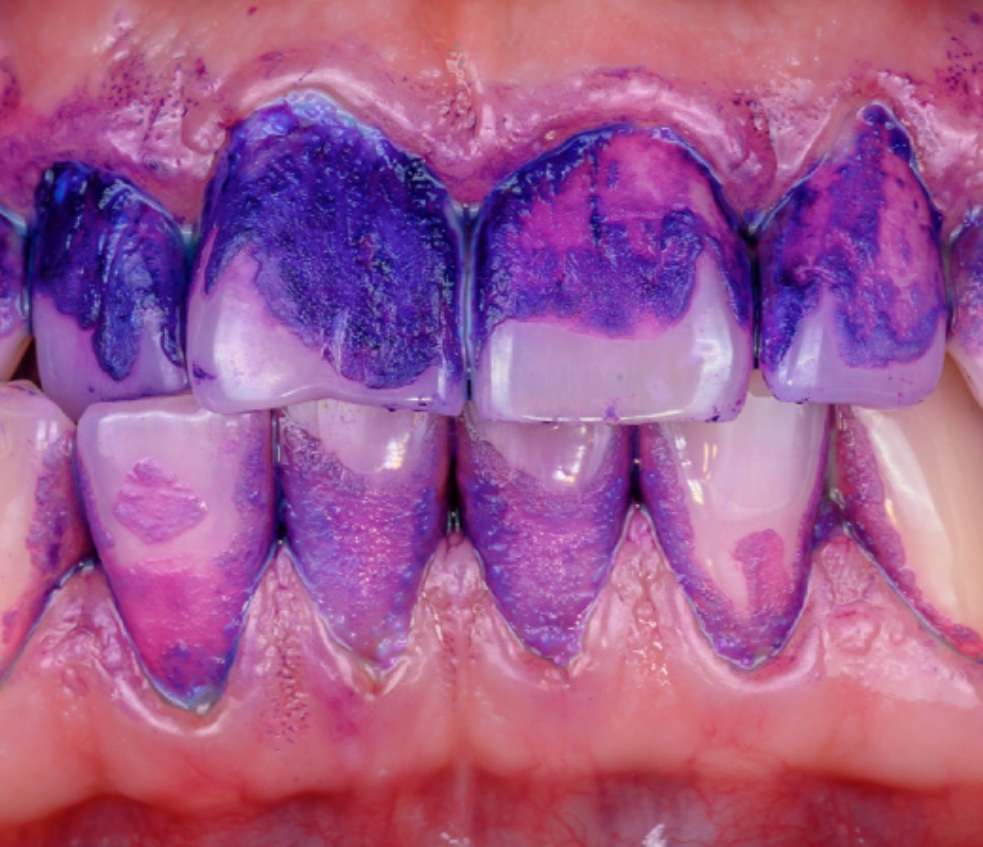
One of the most reassuring aspects of GBT is how methodical it is. A trained dental hygienist begins by applying a disclosing solution to your teeth — a safe, temporary dye that stains biofilm in different colours depending on how mature it is. Younger biofilm shows up in one shade, older and more established deposits in another. This isn’t just visually interesting; it gives your hygienist a precise map of exactly where cleaning is needed, rather than working blindly across every surface.

With that map established, the hygienist uses the Airflow handpiece to direct a controlled stream of warm water, air, and erythritol powder at the biofilm. Erythritol is a very fine, biocompatible powder that is gentle on tooth enamel and soft tissues but highly effective at dislodging bacterial deposits. Crucially, the warm temperature of the spray makes the process far more comfortable than cold water instruments, which can cause sensitivity — particularly around exposed root surfaces or in patients who naturally have more reactive teeth.

Once the soft biofilm has been cleared away, the hygienist can clearly see whether any hardened tartar remains. At this point, EMS’s Piezon technology — an ultrasonic scaler — is used where needed to remove calcified deposits. Because the biofilm has already been cleared, this phase tends to be quicker and requires far less pressure than in conventional cleaning appointments. The entire process is more targeted, meaning less time spent working unnecessarily on already-clean areas.

How GBT Compares to Conventional Cleaning

To appreciate the difference GBT can make, it’s worth looking at how it stacks up against traditional professional cleaning methods across several key areas:

FeatureTraditional Scaling & PolishingEMS Airflow Guided Biofilm Therapy
Biofilm detectionVisual assessment only; relies on hygienist’s experienceDisclosing dye used to map biofilm precisely before treatment
Primary cleaning methodMetal scalers and rotating rubber cup polishWarm water, air, and erythritol powder spray (Airflow)
Patient comfortCan cause sensitivity; cold water and pressure commonGenerally more comfortable; warm spray, minimal pressure
Suitable for implants & orthodontic workMetal instruments may scratch implant surfacesSafe for implants, braces, veneers, and crowns
Soft tissue impactPossible irritation from instrument contactMinimally invasive; erythritol powder is biocompatible
Approach to tartar removalScaling performed across all surfacesUltrasonic scaling used only where calculus is confirmed

What is EMS Airflow Guided Biofilm Therapy - Essential Dental CareWho Is GBT Suitable For?

One of the real strengths of this approach is its versatility. GBT is suitable for the vast majority of dental patients, including those who have historically found hygiene appointments uncomfortable. People with sensitive teeth often find the warm spray a revelation compared to traditional cold-water instruments. Those with dental implants benefit especially, because conventional metal scalers can scratch and damage implant surfaces over time, potentially compromising their longevity — the Airflow system carries no such risk.

Patients undergoing orthodontic treatment, whether with fixed braces or clear aligners, also stand to gain considerably. Cleaning around brackets and wires is notoriously difficult, and biofilm has a tendency to accumulate in the awkward spaces that toothbrushes simply cannot reach effectively. The targeted spray from an Airflow handpiece can access these areas with ease, reducing the risk of decalcification — those white marks that can appear on teeth if plaque is allowed to sit against enamel during treatment.

GBT is equally well suited to patients managing periodontal (gum) disease or those who are at higher risk of developing it. By removing biofilm thoroughly and consistently at every appointment, the bacterial load in the mouth is kept low, which helps to control inflammation and prevent the deeper pocketing that characterises advanced gum disease.

What to Expect at a GBT Appointment

If you’re considering booking a GBT hygiene session for the first time, you might find the following outline helpful:

  1. Assessment and disclosure: Your hygienist will examine your mouth and apply the disclosing dye to identify and categorise biofilm deposits.
  2. Airflow cleaning: The warm spray is used to remove soft biofilm from all tooth surfaces, around the gumline, and in pockets if needed.
  3. Piezon scaling (where required): Any remaining hardened tartar is removed with the ultrasonic scaler, using minimal force because the surrounding area is already clean.
  4. Check and personalise: Your hygienist reviews the results, confirms everything is clean, and tailors advice to your individual home-care routine.

The appointment typically takes between 45 minutes and an hour, though this varies depending on your oral health baseline and how long it has been since your last professional clean. Most patients report that the experience feels noticeably different from conventional hygiene visits — quieter, less abrasive, and considerably more comfortable overall.

Caring for Your Teeth Between Appointments

Even the most thorough professional cleaning only addresses what has accumulated since your last visit. The real work of maintaining a healthy mouth happens at home, twice a day. GBT appointments work best when supported by a consistent home-care routine: brushing for two minutes morning and evening with a fluoride toothpaste, cleaning between the teeth daily with floss or interdental brushes, and being mindful of how frequently you consume sugary or acidic foods and drinks. Your hygienist can advise on the right tools and techniques for your specific situation — particularly if you have implants, braces, or areas of recession that require a slightly different approach.

Why Regular Dental Check-Ups Are Essential - Essential Dental Care

Why Regular Dental Check-Ups Are Essential?

By Dentist

When life gets busy, dental appointments can easily slip down the priority list. If your teeth feel fine and you’re not in pain, it’s tempting to postpone your check-up. However, regular dental examinations are one of the most important steps you can take to protect not only your oral health, but your overall wellbeing too.

Book an Appointment with Essential Dental Care in EdinburghWhat Is a Dental Check-Up?

A dental check-up is a routine examination carried out by your dentist to assess the health of your teeth, gums and mouth. It’s not just about looking for cavities. A thorough examination checks for a range of potential issues, many of which develop quietly without obvious symptoms.

During a typical check-up, your dentist will:

  • Examine your teeth for decay or damage

  • Assess your gums for signs of gum disease

  • Check existing fillings, crowns or restorations

  • Look for signs of oral cancer

  • Assess your bite and jaw alignment

  • Take X-rays if necessary

These appointments are preventative in nature. Rather than waiting for problems to arise, your dentist aims to detect issues early — often before you even notice them.

Why Regular Dental Check-Ups Are Essential

1. Early Detection of Tooth Decay

Tooth decay rarely causes pain in its early stages. Small cavities can form without any obvious symptoms. By the time discomfort appears, the decay may have progressed significantly, potentially requiring more complex treatment such as root canal therapy or extraction.

Regular examinations allow your dentist to spot decay early, when it can often be treated with a simple filling. Early intervention protects more of your natural tooth and helps avoid costly, invasive procedures later.

2. Preventing Gum Disease

Gum disease is one of the leading causes of tooth loss in adults in the UK. It often begins with mild inflammation (gingivitis), which may cause bleeding when brushing. If left untreated, it can progress to periodontitis, affecting the bone that supports your teeth.

The early stages of gum disease are usually painless, meaning many people are unaware they have it. Routine check-ups and hygiene visits help detect and manage gum disease before it becomes advanced.

Your dentist or hygienist can also provide tailored advice to improve your brushing and flossing technique, helping you maintain healthy gums at home.

3. Oral Cancer Screening

Every routine dental examination includes an oral cancer screening. Your dentist will check your tongue, cheeks, throat and surrounding tissues for any unusual changes.

Early detection of oral cancer dramatically improves treatment outcomes. Because dentists are trained to recognise early warning signs, regular visits play a crucial role in identifying concerns quickly.

4. Protecting Your Overall Health

Your oral health is closely linked to your general health. Research has shown associations between gum disease and systemic conditions such as heart disease, diabetes and stroke.

Inflammation and bacteria from gum disease can enter the bloodstream and contribute to wider health issues. By maintaining good oral hygiene and attending regular check-ups, you reduce your risk of complications that extend beyond your mouth.

5. Saving Money in the Long Term

Preventative care is almost always more affordable than emergency or complex restorative treatment.

For example:

  • A small filling is simpler and less expensive than a root canal.

  • Managing early gum disease is easier than treating advanced periodontitis.

  • Monitoring minor wear or cracks can prevent fractures that require crowns.

Regular check-ups help avoid unexpected dental emergencies and spread out manageable, preventative care over time.

6. Maintaining a Confident Smile

At Essential Dental Care, our dentist doesn’t just focus on health — they also monitor the appearance and function of your teeth.

Routine visits allow early discussion of concerns such as staining, crowding, grinding or minor cosmetic issues. Addressing these promptly helps maintain a smile you feel confident about.

How Often Should You Visit the Dentist?

One of the most common questions patients ask is: “How often should I have a dental check-up?”

In the UK, there isn’t a one-size-fits-all answer. The interval depends on your individual risk factors and oral health history.

According to guidance from the NHS, dental recall intervals can vary between three months and two years, depending on the patient.

You May Need More Frequent Visits If You:

  • Have a history of gum disease

  • Frequently develop cavities

  • Smoke

  • Have diabetes

  • Wear braces or complex dental work

  • Experience dry mouth

  • Are pregnant

In these cases, your dentist may recommend check-ups every three to six months.

You May Need Less Frequent Visits If You:

  • Have excellent oral hygiene

  • Rarely experience dental problems

  • Maintain a healthy diet

  • Are considered low risk for decay or gum disease

Some low-risk patients may only need a check-up every 12–24 months.

The key point is that your dentist will personalise your recall schedule based on your specific needs — not a generic rule.

What Happens If You Skip Regular Check-Ups?

Occasionally missing an appointment might not seem significant, but consistently avoiding dental visits can lead to:

  • Undetected cavities

  • Advanced gum disease

  • Tooth infections

  • Tooth loss

  • More invasive and costly treatment

  • Dental pain or emergency situations

Dental problems rarely resolve on their own. Most worsen gradually over time, often without obvious symptoms until the issue becomes more serious. Remember – prevention is far easier than cure.

The Role of Dental Hygiene Appointments

Check-ups and hygiene visits work hand in hand. While the dentist focuses on diagnosing and planning treatment, the dental hygienist removes plaque and tartar build-up that brushing alone cannot eliminate.

Professional cleaning:

  • Reduces gum inflammation

  • Lowers the risk of gum disease

  • Removes staining

  • Freshens breath

  • Supports long-term oral health

For many patients, hygiene appointments are recommended every six months, although this may vary depending on gum health.

Family Dentist in Edinburgh at Essential Dental CareDental Check-Ups for Children

Establishing routine dental visits early in life sets children up for healthy habits.

Regular check-ups for children:

  • Monitor tooth development

  • Identify early signs of decay

  • Provide preventative treatments such as fluoride

  • Build confidence in the dental environment

Early positive experiences reduce anxiety and encourage lifelong dental care. Children are often advised to attend every six months, although this may vary depending on their risk level.

Dental Anxiety and Avoiding Appointments

Some patients avoid regular check-ups due to fear or previous negative experiences. If this sounds familiar, you’re not alone. Modern dentistry is far more comfortable and patient-focused than in the past. Dentists understand anxiety and aim to create calm, supportive environments. Simply attending for a routine examination — even without treatment — can gradually build confidence. Open communication is key. Let your dental team know if you feel nervous so they can tailor the appointment to your comfort level.

Signs You Should Book a Check-Up Sooner

Even if you’re not due for a routine visit, book an appointment if you notice:

  • Persistent tooth pain

  • Bleeding gums

  • Swelling in the mouth

  • Loose teeth

  • Sensitivity that doesn’t improve

  • Mouth ulcers lasting longer than three weeks

Prompt attention prevents issues from escalating. Regular dental check-ups are not just routine appointments — they are an essential part of protecting your oral and general health. By detecting problems early, preventing gum disease, screening for oral cancer and offering personalised advice, your dentist helps you maintain a healthy, functional and confident smile.

The ideal frequency of visits depends on your individual needs, but one thing remains true: preventative care is always better than waiting for pain or problems to appear. If it’s been a while since your last check-up, consider booking an appointment. Your future self — and your smile — will thank you.

What Is a Dental Bridge and Is It Right for You?

What Is a Dental Bridge and Is It Right for You?

By Bridges

Losing a tooth can affect far more than your smile. It can change the way you eat, alter how you speak, and gradually shift your remaining teeth out of alignment. Dental bridges have been used for decades as a reliable, fixed solution for replacing one or more missing teeth, and for many patients they offer an excellent balance of function, aesthetics, and value. Understanding what they involve is the first step towards deciding whether they might be right for you.

A dental bridge is a fixed prosthetic device that literally bridges the gap left by a missing tooth. It consists of a false tooth — called a pontic — anchored in place by crowns fitted over the teeth on either side of the gap. These supporting teeth are known as abutment teeth. Once fitted, a bridge is cemented permanently in place, meaning it behaves much like a natural tooth and does not need to be removed for cleaning.

The Different Types of Dental Bridge

Not every patient needs the same type of bridge, and your dentist will recommend the most suitable option based on the location of the missing tooth, the condition of your surrounding teeth, and your overall oral health. There are several main types to be aware of.

A traditional bridge is the most common type. It involves placing crowns on the two teeth either side of the gap, with the pontic suspended between them. This is a strong, stable solution suitable for most areas of the mouth, including the back teeth where biting forces are greatest.

A cantilever bridge uses only one abutment tooth for support rather than two. This approach is typically used when there is only one natural tooth adjacent to the gap, or when it is preferable to avoid preparing a healthy tooth on the other side. It is less common for back teeth due to the greater forces involved in chewing.

A Maryland bridge (also called a resin-retained or adhesive bridge) takes a more conservative approach. Instead of crowns, it uses metal or porcelain wings bonded to the backs of the adjacent teeth. Very little preparation of the supporting teeth is required, making it a popular option for front teeth where preserving tooth structure is a priority.

Finally, an implant-supported bridge anchors one or more pontics to dental implants rather than natural teeth. This avoids the need to crown healthy adjacent teeth entirely, though it does involve a surgical procedure and a longer treatment timeline.

How Do You Know If a Bridge Is Right for You?

A dental bridge is likely to be worth considering if you have one or more missing teeth and the neighbouring teeth are healthy enough to support crowns, or if you are not a candidate for dental implants due to insufficient bone volume, medical reasons, or personal preference. Bridges are also generally faster to complete than implants and do not require surgery, which makes them an attractive option for patients who want a fixed result without a prolonged treatment process.

You may not be well suited to a bridge if the adjacent teeth are in poor health and unlikely to support the additional load, or if significant bone loss has already occurred under the gap. In those cases, a partial denture or an implant may be recommended instead. Your dentist will carry out a thorough examination before making any recommendation.

What Are the Benefits of a Dental Bridge?

  • Restores your ability to chew and speak normally
  • Prevents adjacent and opposing teeth from drifting or over-erupting
  • Supports the natural contour of your face, helping to prevent the sunken appearance that can follow tooth loss
  • Fixed in place — no need to remove it at night or for cleaning
  • A well-made bridge can last ten years or longer with good oral hygiene
  • Less invasive than implants, with no surgical procedure required for traditional or Maryland bridges
  • Can be matched closely to the shade of your natural teeth for a natural appearance

Are There Any Drawbacks to Consider?

No dental treatment is without its trade-offs, and it is worth being informed before going ahead. With a traditional bridge, the abutment teeth need to be shaped and prepared to receive crowns, which involves removing some healthy tooth structure. This is a permanent change, so it is not a decision to take lightly. The area under the pontic also requires careful cleaning with floss threaders or interdental brushes to prevent plaque build-up.

Bridges can also become loose or fail over time, particularly if the supporting teeth develop decay or gum disease. Maintaining excellent oral hygiene and attending regular check-ups are essential to getting the most from your bridge.

How Does a Dental Bridge Compare to Other Options?

FeatureDental BridgeDental ImplantPartial Denture
Fixed in placeYesYesNo (removable)
Surgery requiredNoYesNo
Affects adjacent teethYes (traditional/cantilever)NoMinimal
Typical lifespan10+ years15–20+ years5–10 years
Treatment time2–3 weeks3–9 months2–4 weeks
Bone preservationNoYesNo

How Is a Dental Bridge Fitted?

The fitting process typically takes place over two or three appointments. At the preparation visit, the abutment teeth are shaped under local anaesthetic, impressions or a digital scan are taken, and a temporary bridge is placed to protect the teeth while the permanent restoration is made. The laboratory fabricates the bridge over one to three weeks, then at the fitting appointment the temporary bridge is removed and the permanent one is checked for fit, shade, and bite before being cemented into place. Most patients are surprised by how manageable the process feels once they experience it.

What Does the NHS Say About Dental Bridges?

According to NHS guidance on dental treatments, bridges are a fixed replacement for missing teeth and are generally very successful, with 80% of conventional bridges lasting for ten years or more. The NHS also notes that bridges may be available as an NHS treatment in certain clinical circumstances, though many patients choose to have them completed privately for aesthetic or material reasons.

What Happens If You Do Nothing About a Missing Tooth?

Many patients put off tooth replacement, assuming the gap will not cause problems beyond aesthetics. Unfortunately, leaving a missing tooth untreated can set off a chain of events that becomes progressively harder to manage. Without a tooth root in the socket, the jawbone beneath begins to resorb — shrinking gradually over months and years. This can alter the shape of your face and reduce the amount of bone available to support a future implant if you change your mind later.

The teeth on either side of the gap and the tooth directly above or below it are also affected. Without the neighbouring tooth to brace against, they can begin to tilt into the space or over-erupt (grow further out of the gum), which can disrupt your bite and make those teeth harder to clean. In some cases this can lead to increased wear, sensitivity, or the need for orthodontic treatment to realign them. Acting sooner rather than later — whether with a bridge, implant, or partial denture — protects the stability of your whole mouth.

Looking After Your Bridge

Once your bridge is fitted, good maintenance is straightforward but important. Brush twice daily with fluoride toothpaste, and use a floss threader or superfloss to clean underneath the pontic every day. Your dentist may also recommend an interdental brush for the spaces around the abutment teeth. Regular hygienist appointments can help keep the bridge and surrounding gum tissue in good condition.

Avoid habits that could put excessive strain on your bridge, such as chewing very hard foods or using your teeth to open packaging. If you grind your teeth at night, let your dentist know — a custom night guard can protect both your natural teeth and your bridge from unnecessary wear.

Taking the Next Step

At Essential Dental Care, we have helped many Edinburgh patients restore their smiles with well-crafted dental bridges tailored to their individual needs. If you are missing one or more teeth and would like to find out whether a bridge could be the right solution for you, we would be happy to discuss your options at a consultation. Give us a call on 0131 229 1806 to book your appointment — our friendly team will guide you through everything from the first visit to the final fit.

How to Prevent Gum Disease - Essential Dental Care

How to Prevent Gum Disease?

By Hygienist

Gum disease is one of the most common dental problems in the UK, yet it remains one of the most preventable. Millions of adults experience some form of it at some point in their lives, often without realising anything is wrong until the condition has already progressed. The encouraging news is that with the right habits and a little professional support, keeping your gums healthy is entirely achievable — and it makes a significant difference not just to your smile, but to your overall wellbeing.

How to Prevent Gum Disease - Essential Dental CareUnderstanding Gum Disease

Your mouth is home to hundreds of different bacteria, most of which are harmless. However, when bacteria combine with saliva and food particles, they form a soft, sticky film called plaque. If plaque is not removed regularly through brushing and flossing, it builds up along the gum line and begins to irritate the surrounding tissue. This early stage of gum disease is called gingivitis, and it’s characterised by red, swollen gums that may bleed when you brush.

Left untreated, gingivitis can progress to a more serious condition known as periodontitis. At this stage, the infection spreads beneath the gum line, damaging the bone and connective tissue that hold your teeth in place. Teeth may become loose, painful abscesses can form, and in severe cases tooth loss becomes a real possibility. For a thorough clinical overview of both stages, the NHS: Gum Disease resource offers reliable, up-to-date guidance that is well worth reading.

Why Some People Are More Susceptible Than Others

Gum disease does not affect everyone equally, and understanding your personal risk factors can help you take more targeted action. Smoking is one of the most significant contributors — it restricts blood flow to the gums and impairs the body’s ability to fight infection, meaning smokers are far more likely to develop serious gum disease and far less likely to respond well to treatment. Cutting down or stopping altogether has a measurable and relatively quick positive effect on gum health.

Diabetes is another major risk factor. High blood sugar levels make it harder for the body to resist infection, and gum disease itself can make blood sugar more difficult to control — creating a cycle that requires careful management on both fronts. Hormonal changes during pregnancy can also make gums more sensitive and prone to inflammation, a condition sometimes called pregnancy gingivitis. Other contributing factors include stress, certain medications that cause dry mouth, and a family history of gum problems, which suggests a genetic predisposition.

Building a Genuinely Effective Oral Hygiene Routine

The foundation of gum disease prevention is a consistent, thorough home routine. Many people brush their teeth twice a day, which is excellent, but the technique matters just as much as the frequency. Use a soft-bristled toothbrush held at a 45-degree angle to the gum line and move it in small, gentle circular motions. Scrubbing too hard can actually damage gum tissue and wear away enamel over time, so a lighter touch applied consistently is far more effective than vigorous occasional brushing.

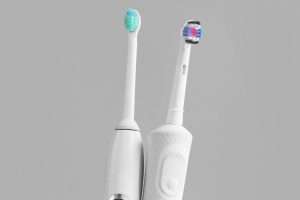
How to Prevent Gum Disease - Essential Dental CareElectric toothbrushes can be particularly helpful, as they tend to remove plaque more efficiently than manual brushes and many models have built-in timers to ensure you brush for the recommended two minutes. Fluoride toothpaste should always be used — it strengthens enamel and helps protect against decay as well as gum problems.
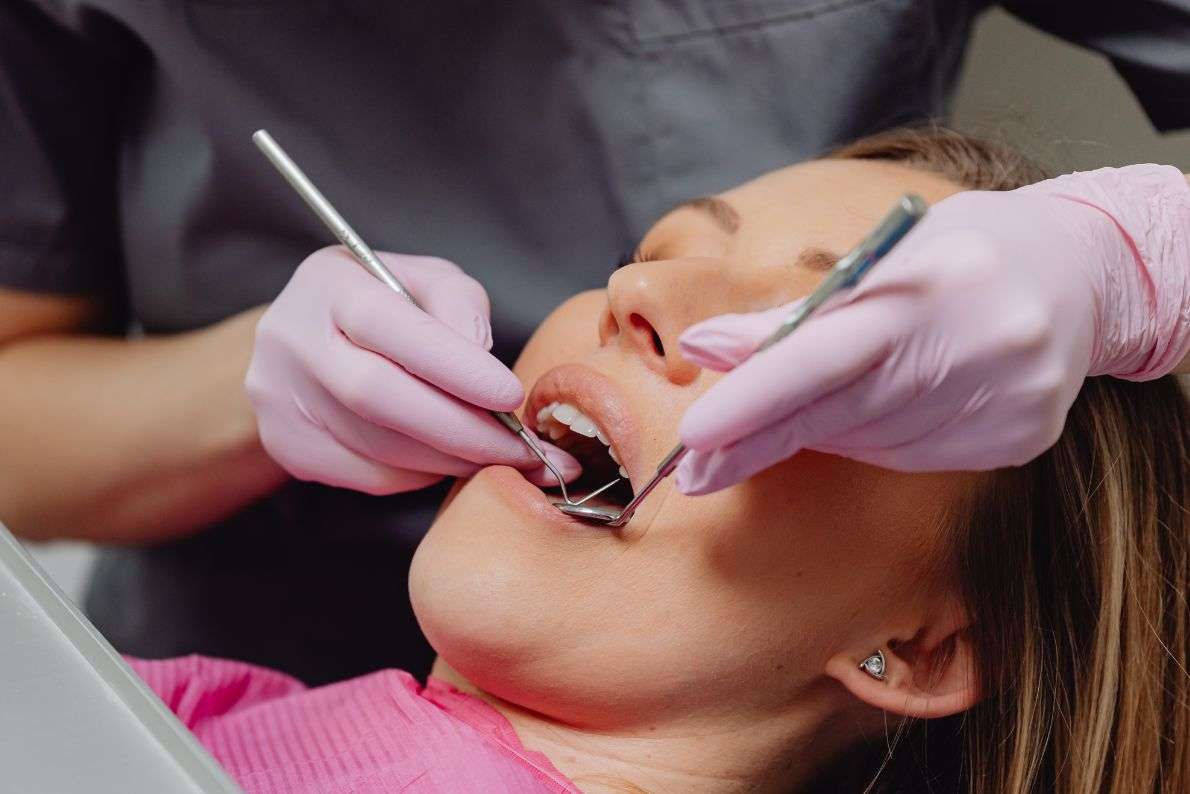
Interdental cleaning — that is, cleaning between your teeth — is just as important as brushing, yet it’s the step most people skip. Floss, interdental brushes, and water flossers all do a good job of removing plaque and food debris from the spaces between teeth that a toothbrush simply cannot reach. These areas are precisely where early gum disease tends to begin. If you’re unsure which interdental tool suits you best, a dental hygienist can offer personalised advice based on the spacing of your teeth.

The Role of Diet and Lifestyle

What you eat and drink has a direct impact on your gum health. Sugary and acidic foods feed the bacteria responsible for plaque formation, so reducing your intake of sweets, fizzy drinks, and refined carbohydrates is genuinely beneficial. Eating a diet rich in vegetables, lean proteins, and foods high in vitamin C — such as citrus fruits, peppers, and broccoli — helps support a healthy immune response and keeps gum tissue resilient.

Staying well hydrated is also underrated. Drinking plenty of water throughout the day helps wash away food particles and maintains good saliva production, which is one of your mouth’s natural defences against harmful bacteria. Alcohol consumption, like smoking, can dry out the mouth and increase the risk of gum problems, so moderation is advisable.

Recognising the Warning Signs Early

One of the most challenging aspects of gum disease is that it can progress with very few obvious symptoms in the early stages. Knowing what to watch for means you can seek help before things become more complicated. The following signs are worth paying attention to:

  • Gums that bleed during brushing or flossing, even occasionally
  • Persistent bad breath that doesn’t resolve with brushing
  • Gums that appear red, swollen, or that have pulled away from the teeth
  • Teeth that feel sensitive, loose, or appear to have shifted position
  • A bad taste in your mouth that lingers

If you notice any of these symptoms, it’s worth booking a dental appointment sooner rather than later. Gingivitis is highly treatable and fully reversible with professional cleaning and improved home care, whereas periodontitis requires more involved treatment and cannot be fully reversed, only managed.

Gum Disease at a Glance: Key Facts and Comparisons

To help put gum disease prevention in context, the table below summarises the key differences between healthy gums, gingivitis, and periodontitis, along with typical signs and approaches to management.

ConditionTypical SignsReversible?Typical Management
Healthy GumsPale pink, firm, no bleeding, no painN/A — maintain with good hygieneRegular brushing, flossing, and dental check-ups
GingivitisRed or swollen gums, bleeding when brushing, mild bad breathYes — fully reversible with treatmentProfessional scale and polish, improved home routine
Mild to Moderate PeriodontitisGum recession, deeper bleeding, persistent bad breath, some bone lossPartially — manageable but not fully reversibleDeep cleaning (root planing), hygienist support, lifestyle changes
Severe PeriodontitisLoose teeth, abscesses, significant bone loss, painNo — requires ongoing specialist managementPeriodontal therapy, possible surgical intervention, close monitoring

Why Regular Professional Care Makes All the Difference

Even the most diligent home routine cannot remove all plaque and tartar — particularly tartar, which is hardened plaque that forms when mineral deposits build up and can only be removed with professional instruments. Regular dental check-ups and hygienist appointments allow your dental team to spot early signs of gum disease before they escalate, carry out a thorough clean of the areas that are hardest to reach at home, and offer tailored advice to address any specific vulnerabilities in your oral health.

Most dentists recommend a check-up at least once a year, with hygienist visits every six months or more frequently if you have a history of gum problems. These appointments are not just reactive — they’re one of the most proactive steps you can take for your long-term dental health.

Why Regular Dental Check-Ups Are Essential - Essential Dental Care in Edinburgh

Dental Check-Up vs Professional Clean

By Dentist

Most of us have sat in a dental waiting room at some point, flicking through a magazine and wondering exactly what’s about to happen when our name is called. Are we in for a thorough scrape and polish, or will the dentist simply peer into our mouth for a few minutes and send us on our way? There’s a surprising amount of confusion around what a dental check-up actually involves compared to a professional clean — and understanding the difference can genuinely help you feel more prepared, less anxious, and far more in control of your own oral health.

Why Regular Dental Check-Ups Are Essential - Essential Dental Care in EdinburghWhat Happens During a Dental Check-Up?

A dental check-up is fundamentally a health assessment. When you sit down in the chair for your check-up appointment, your dentist is working through a structured examination to evaluate the overall condition of your teeth, gums, and mouth. This isn’t just a quick glance — a thorough check-up involves looking for early signs of tooth decay, gum disease, worn enamel, cracked teeth, and any changes in the soft tissues of the mouth, including the tongue, cheeks, and palate.

One aspect that surprises many patients is the oral cancer screening component. Dentists in the UK routinely check the soft tissues of the mouth for any unusual patches, lumps, or lesions. Catching these changes early can be genuinely life-saving, which is one reason why keeping up with regular check-ups matters so much even when your teeth feel perfectly fine.

Your dentist will also assess your bite and jaw function, check any existing fillings, crowns, or other restorations for signs of wear or failure, and may recommend X-rays if they feel a clearer picture of what’s happening beneath the surface would be helpful. By the end of the appointment, you should have a clear understanding of the current state of your oral health and any recommended next steps. According to the NHS: Dental Check-Ups guidance, how often you need a check-up will depend on your individual circumstances — some people benefit from six-monthly visits, while others with very stable oral health may only need to attend once every two years.

Dental Check-Up vs Professional Clean - Essential Dental CareWhat Happens During a Professional Clean?

A professional clean — often referred to as a scale and polish, or in more complex cases, a hygienist treatment — is a hands-on cleaning procedure rather than an assessment. While your toothbrush and floss do an excellent job of removing soft plaque from tooth surfaces day to day, they simply cannot remove hardened tartar (also known as calculus) that has built up over time. Once plaque mineralises into tartar, it bonds firmly to tooth surfaces and can only be removed with specialist dental instruments.

During a professional clean, a dental hygienist or dentist will use a combination of ultrasonic scalers and hand instruments to carefully remove tartar deposits from around and between the teeth, and crucially, from just beneath the gumline. This sub-gingival cleaning is one of the most important parts of the process, as it’s in these hidden areas that harmful bacteria tend to accumulate, triggering the inflammation associated with gum disease.

After the scaling, a polishing step is usually carried out using a mildly abrasive paste and a rotating rubber cup. This removes surface staining from tea, coffee, red wine, and other everyday foods and drinks, leaving the enamel feeling noticeably smoother. A smooth tooth surface is also harder for new plaque to cling to, which helps extend the benefits of the clean going forward. Many patients finish a hygienist appointment with their teeth feeling fresher and looking brighter than they have in months.

Are They Always Separate Appointments?

This is where things can vary quite a bit from practice to practice. In some cases, particularly for patients with straightforward oral health needs, a check-up and a basic scale and polish may be combined into a single appointment. However, in many practices — and for patients with more complex needs — these are kept as separate appointments, each with its own purpose and dedicated time.

If you’ve been referred to a dental hygienist for a course of treatment, particularly for gum disease management, your hygiene appointments may be longer and more frequent than a routine scale and polish, and they will typically sit alongside rather than replace your regular check-ups with the dentist.

A Side-by-Side Comparison

To help clarify the differences at a glance, the table below summarises the key aspects of each appointment type:

FeatureDental Check-UpProfessional Clean (Hygienist)
Primary purposeAssessment and diagnosisCleaning and prevention
Carried out byDentistDental hygienist or dentist
Typical appointment length20–40 minutes30–60 minutes (depending on complexity)
Includes X-rays?Sometimes, if clinically indicatedNo
Removes tartar build-up?NoYes
Oral cancer screening?YesNo (though hygienists may flag concerns)
Typical NHS frequencyEvery 6–24 months (based on risk)As recommended, often every 6–12 months

Why Both Appointments Matter for Your Long-Term Health

It’s tempting to think of a professional clean as a cosmetic luxury — something nice to have but not strictly necessary. In reality, regular hygienist visits are a cornerstone of preventing gum disease, which remains one of the most common chronic conditions in adults in the UK. Gum disease doesn’t just threaten your teeth; research continues to explore its associations with wider health conditions, including cardiovascular disease and diabetes management. Staying on top of your hygiene appointments is one of the most straightforward things you can do to protect both your mouth and your broader wellbeing.

Similarly, skipping check-ups because your teeth feel fine can lead to problems being caught much later than necessary. Many dental issues — including early-stage decay, gum recession, and even the very early signs of oral cancer — cause little or no discomfort until they’ve progressed significantly. Your dentist’s job at a check-up is partly to find what you can’t feel yet.

Essential Dental Care - Internal Environment 01Getting the Most Out of Each Visit

Whether you’re heading in for a check-up or a hygienist appointment, a little preparation makes a real difference to how much value you get from the visit. Consider the following before you attend:

  • Make a note of any symptoms you’ve noticed, however minor — sensitivity to cold, bleeding gums, or a spot that won’t heal are all worth mentioning.
  • Be honest about your home care routine. Your dentist or hygienist isn’t there to judge; they’re there to help you improve, and they can only tailor their advice if they know what’s actually happening at home.
  • Ask about technique. A professional clean is a wonderful opportunity to ask your hygienist to demonstrate the most effective way to floss or use interdental brushes for your particular teeth.

It’s also worth remembering that attending regularly, even when everything seems fine, is always more straightforward — and more cost-effective — than waiting until something becomes uncomfortable. Preventive dental care is genuinely the most efficient use of your time and budget in the long run.

How Long Does Hygienist Last? What to Expect

How Long Does Hygienist Last?

By Hygienist

Two of the most common questions patients ask when booking a hygienist appointment are how long the session itself will take and how long the results will last before they need to come back. The answers to both questions depend on several interrelated factors, including the current state of your gum health, how much calculus has accumulated since your last visit, and how consistently you maintain a good home care routine in between appointments. At our hygienist clinic in Edinburgh, we tailor every appointment to the individual patient, which means appointment length and recall intervals vary from person to person. This article explains what drives those differences and what you can realistically expect.

How Long Does the Appointment Take?

What Is Hygienist and Is It Right for You?

For most patients attending for a routine hygienist visit, the appointment runs between 30 and 60 minutes. This allows time for a gum health assessment at the start of the session, thorough scaling above and below the gumline, polishing, and oral hygiene instruction at the end. A first appointment with a new hygienist typically runs slightly longer because a full baseline assessment needs to be carried out, including probing around every tooth to measure pocket depths, recording any recession or furcation involvement, and documenting bleeding on probing. This baseline record is essential for monitoring changes over time.

For patients with significant calculus build-up or active gum disease, the appointment may be extended, or the treatment may be spread across more than one session. This is particularly common when root surface debridement is required — a more intensive procedure that involves carefully cleaning the root surfaces below the gumline to remove bacterial deposits and encourage the gum tissue to heal. Attempting to complete all of this in a single appointment would be uncomfortable and rushed, and the results would be inferior to those achieved across a properly planned course of treatment.

How Long Do the Results Last?

This question has a more nuanced answer because it conflates two separate things: how long the aesthetic improvement lasts (brighter, smoother teeth with reduced staining) and how long the clinical improvement in gum health lasts before intervention is needed again. These are not the same thing, and confusing them leads to unrealistic expectations.

The aesthetic improvement — cleaner, less stained teeth — begins to reverse as soon as you consume tea, coffee, red wine, or other staining substances, and as plaque begins to reform on the tooth surface. This does not mean the hygienist’s work has failed; it simply reflects normal biology. Plaque begins to reform on the tooth surface within hours of professional cleaning, though it takes days to weeks to reach the stage where it becomes clinically significant. The clinical benefit — reduced pocket depths, healthier gums, less bleeding, and lower levels of pathogenic bacteria — can last considerably longer when supported by a good home care routine.

The Role of Home Care in Sustaining Results

The single most important factor in how long the results of a hygienist appointment last is what you do at home every day. Professional scaling removes the calculus and disrupts the bacterial biofilm, but it cannot prevent plaque from reforming. Your daily brushing and interdental cleaning routine is what keeps that reforming plaque from progressing into calculus and eventually driving the inflammation that leads to gum disease. Patients who brush effectively twice a day and clean between their teeth every day retain the benefits of their hygienist appointment far longer than those who are inconsistent in their home care.

The NHS guidance on gum disease is clear that good oral hygiene at home is the foundation of gum disease prevention and treatment. Professional cleaning is a powerful adjunct to this, but it is not a substitute for it. Think of the hygienist appointment as resetting the baseline — the work you do at home determines how quickly that baseline degrades.

Individual Factors That Affect Results

How Long Does Hygienist Last - Essential Dental CareBeyond home care, several individual factors influence how quickly calculus builds up again and how long the gum health improvement lasts. Smoking is one of the most significant: tobacco use impairs blood flow to the gum tissue and suppresses the immune response, making gums more susceptible to bacterial infection and slower to heal after treatment. Smokers typically need more frequent professional cleaning than non-smokers, and their response to treatment is generally less pronounced.

Systemic health conditions — particularly diabetes — also have a significant impact. There is a well-established bidirectional relationship between diabetes and periodontitis: poorly controlled blood glucose increases the risk and severity of gum disease, while active gum disease makes blood glucose control more difficult. Patients with diabetes often find that their gum health fluctuates in line with their general health and may need more frequent hygienist appointments as a result.

Genetics play a role too. Some people are inherently more susceptible to gum disease than others, even with excellent oral hygiene. If gum disease runs in your family, or if you have been told that your gum health is poor despite consistent home care, you may simply need to attend more frequently than average. This is not a failure of effort; it is a reflection of individual biology, and it is something the hygienist will factor into her recall recommendation.

How Often Should You Come Back?

The recall interval — the time between hygienist appointments — is determined by your individual clinical needs rather than by a one-size-fits-all rule. For healthy adults with stable gum health and no significant risk factors, a six-monthly appointment is usually appropriate. For patients with a history of periodontitis or significant calculus build-up, three-monthly or four-monthly intervals are more common. During an active treatment phase for moderate to severe gum disease, appointments may initially be scheduled every six to eight weeks.

As your gum health stabilises over time, the interval can often be extended. The goal is to find the minimum frequency that maintains your gums in good health. Your hygienist will review this recommendation at each appointment and adjust it based on what she sees clinically.

Between scheduled appointments, pay attention to any changes in your gum health. Bleeding when brushing or using interdental brushes is one of the most reliable early warning signs of gingivitis. Persistent bad breath despite good oral hygiene, a sensation of looseness in any tooth, or visible recession of the gum line are all reasons to contact the practice and arrange an earlier appointment rather than waiting. Catching changes early is always preferable to addressing them after they have progressed.

Factors Affecting Longevity of Hygienist Results

FactorImpact on ResultsWhat to Do
Daily brushing and interdental cleaningSingle greatest factor in maintaining resultsBrush twice daily; clean between teeth every day
SmokingSignificantly reduces results and increases recall frequency neededSeek smoking cessation support; inform hygienist
Diabetes (poorly controlled)Accelerates gum disease progression; reduces treatment responseWork with GP to improve blood glucose control
Genetic susceptibilitySome patients build calculus faster or respond less to treatmentAccept more frequent appointments as a long-term strategy
Diet (high sugar, staining foods and drinks)Increases plaque formation rate and surface stainingModerate intake of tea, coffee, wine, and sugary foods
Dry mouth (xerostomia)Reduces natural saliva protection; accelerates calculus formationUse saliva substitutes; discuss with hygienist
Recall intervalLonger gaps allow more calculus accumulationAttend at hygienist-recommended frequency

Setting Realistic Expectations

How Long Does Hygienist Last - Essential Dental CareIt is worth being honest about what a hygienist appointment can and cannot achieve in a single session. It can remove calculus that has accumulated since your last visit, reduce bacterial load significantly, improve gum health measurably over the following weeks as the tissue heals, and give you the tools and knowledge to maintain that improvement at home. It cannot reverse bone loss that has already occurred, permanently eliminate susceptibility to gum disease, or replace the daily work of home oral hygiene. Approached with realistic expectations and supported by a consistent home routine, professional hygiene treatment is one of the most effective preventive health interventions available.

We recommend discussing your individual recall interval at your next appointment so that we can tailor our recommendations to your specific oral health profile. Whether you are attending for the first time or returning for ongoing maintenance, our team is here to support your long-term gum health. Contact Essential Dental Care in Polwarth, Edinburgh, or call us on 0131 229 1806 to book your next visit.