

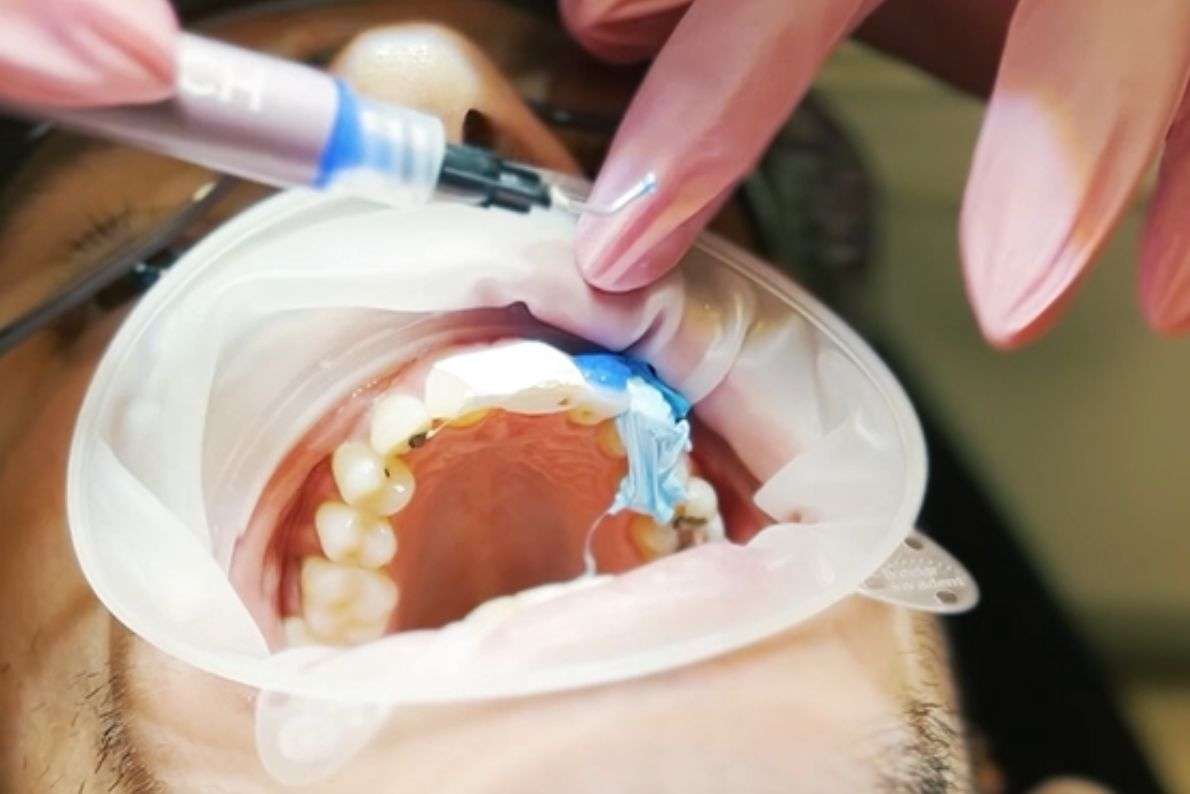
Composite bonding is one of the most rewarding cosmetic dental treatments available today, offering a fast, minimally invasive way to improve the appearance of chipped, discoloured, or misshapen teeth. However, how well you care for your bonded teeth in the days, weeks, and years after treatment has a direct bearing on how long the results last. With the right approach, composite bonding can remain looking excellent for five to eight years or more, but poor habits can shorten that lifespan considerably. Understanding the material itself is the first step: dental composite resin is durable but not indestructible, and it responds to the same forces and substances that affect natural enamel — only without the same regenerative capacity that living tooth tissue has.
The First 24 to 48 Hours
The period immediately after your composite bonding appointment is the most important time for aftercare. Although the resin is cured and hardened using a dental light during the procedure, the bonding continues to settle and integrate during the first day or two. During this window, the composite can be more susceptible to surface staining from highly pigmented foods and drinks, so it is worth being particularly careful about what you consume.
 In the first 24 to 48 hours, avoid tea, coffee, red wine, dark berries, tomato-based sauces, and any other intensely coloured foods or drinks. The same applies to tobacco — if you smoke, this is an excellent moment to either abstain temporarily or consider whether the habit is compatible with your investment in your smile. You should also avoid biting into hard foods such as crusty bread, raw carrots, or hard sweets, as the bonding will be fully set but you are still getting used to how your bite feels with the new shape.
Some patients notice mild tooth sensitivity in the first couple of days after treatment, particularly to cold or hot temperatures. This is entirely normal and usually resolves on its own within 48 hours. If sensitivity persists beyond a week, contact your dentist so they can check the bonding and ensure the bite is correctly adjusted.
Dietary Habits to Adopt Long-Term
Once you are past the initial settling period, you can return to a mostly normal diet, but some long-term adjustments will significantly extend the life of your composite bonding. Composite resin is more porous than porcelain, which means it is more prone to absorbing stains from certain foods and drinks over time. Drinking tea, coffee, and red wine through a straw reduces direct contact with the bonded surfaces. Rinsing your mouth with water after consuming staining foods or drinks also helps to clear away pigments before they have a chance to penetrate the material.
 Hard and sticky foods deserve ongoing caution. Biting directly into hard objects — whether food or otherwise, such as pen lids or fingernails — places stress on the composite and can cause chipping. Sticky sweets and chewing toffees can pull at the bonding material, weakening the adhesive bond over time. None of these foods are entirely forbidden, but treating your bonded teeth with a degree of mindfulness will pay dividends in the long run.
Alcohol-based mouthwashes are worth avoiding, or at least limiting. There is evidence that high-alcohol mouthwashes can slightly weaken the bond between composite resin and tooth enamel over prolonged use. Opt for an alcohol-free fluoride mouthwash instead, which will provide similar antibacterial and protective benefits without the risk to the bonding material. For a more detailed look at the science behind composite resin materials, the Wikipedia article on dental composite offers a useful overview of the material properties involved.
Oral Hygiene Routines That Protect Your Bonding
Good oral hygiene is as important for bonded teeth as it is for natural teeth — arguably more so, because the margins where composite meets tooth enamel can be vulnerable to plaque accumulation if not cleaned properly. Brush twice daily with a soft-bristled toothbrush and a non-abrasive toothpaste. Many whitening toothpastes contain abrasive particles designed to polish enamel, but these same particles can scratch the surface of composite resin, making it more susceptible to future staining and dulling its polish over time. Check the RDA (Relative Dentine Abrasivity) score of your toothpaste if possible, and aim for a score below 70 for bonded teeth.
Flossing remains essential. Use regular dental floss or an interdental brush to clean between the teeth, paying particular attention to the margins of the bonded areas. When flossing near bonded teeth, slide the floss out sideways rather than snapping it upward, which can stress the edges of the composite. Water flossers are an excellent supplement — they can rinse away debris from around the bonding margins without any mechanical stress.
Electric toothbrushes are generally safe for composite bonding, but use them on a sensitive or standard mode rather than a high-power whitening setting. The goal is effective cleaning without excessive abrasion.
Habits and Behaviours to Avoid
Several everyday habits can put unnecessary stress on composite bonding and lead to premature chipping or failure. Nail biting is one of the most common culprits — the repetitive pressure and angle of force is particularly damaging for bonded front teeth. Chewing on pens, pencils, or other hard objects places similar stresses on the composite. Ice chewing is another habit that many people consider harmless but which places significant impact force on dental restorations of all kinds.
If you grind or clench your teeth — a condition known as bruxism — it is essential to discuss this with your dentist before or immediately after receiving composite bonding. Bruxism generates enormous forces, often far greater than normal biting pressure, and can fracture or wear down composite resin relatively quickly. A custom-made night guard, worn while sleeping, provides a protective barrier that absorbs these forces and greatly extends the lifespan of bonding and other restorations. Many patients with bruxism are not even aware of the habit until a dentist identifies the telltale signs of wear.
What to Expect Over Time
Composite bonding does not last forever, and understanding what normal ageing of the material looks like helps you monitor your treatment effectively. Over the years, composite resin can gradually lose some of its original lustre, taking on a slightly more matte appearance as micro-scratches accumulate on the surface. Some degree of colour shift is also possible, particularly for patients who consume a lot of staining beverages. The good news is that minor surface staining can often be polished away at a routine hygiene appointment, restoring much of the original brightness.
Small chips or rough edges can sometimes develop, especially in areas subject to high biting force. In many cases these can be repaired quickly and inexpensively by adding a small amount of fresh composite, which bonds readily to the existing material. This repairability is one of the significant advantages of composite bonding over porcelain veneers, which typically require complete replacement if they chip or fracture.
Aftercare at a Glance: A Practical Guide
| Timeframe | What to Do | What to Avoid |
|---|---|---|
| First 24–48 hours | Eat soft foods; rinse with water after meals; use sensitivity toothpaste if needed | Tea, coffee, red wine, dark sauces, hard or crunchy foods, tobacco |
| First two weeks | Brush gently twice daily; floss carefully at bonding margins; attend any follow-up appointment | Abrasive whitening toothpastes; alcohol-based mouthwash; nail biting; biting hard objects |
| Ongoing (months and years) | Use a soft toothbrush and low-abrasion toothpaste; wear a night guard if you grind; attend six-monthly check-ups and hygiene visits | Chewing ice or very hard foods directly with bonded teeth; smoking; missing dental appointments |
| As needed | Contact your dentist if you notice a chip, rough edge, or persistent sensitivity; ask about polishing at hygiene appointments to refresh surface gloss | Ignoring chips or changes to the bite; attempting DIY repairs with over-the-counter products |
The Role of Regular Dental Appointments
Even with exemplary home care, regular professional appointments are irreplaceable when it comes to maintaining composite bonding. Your dentist can monitor the condition of the composite at each check-up, identifying any areas of wear or marginal staining that can be addressed before they become larger problems. Your hygienist can polish the composite surfaces professionally, removing surface staining and restoring smoothness in a way that home brushing cannot replicate. These visits are also an opportunity to reassess your bite and make any minor adjustments if the bonding has shifted slightly over time.
Attending appointments every six months is the standard recommendation for most patients, though those with more complex needs or a history of grinding may benefit from more frequent visits. Think of these appointments not as a chore but as a maintenance schedule for your investment — similar to servicing a car rather than waiting for something to break down.
 When to Contact Your Dentist Sooner Rather Than Later
 When to Contact Your Dentist Sooner Rather Than Later
There are situations where you should not wait for your next scheduled appointment. If you notice a sharp or rough edge on a bonded tooth, contact your practice promptly — left untreated, a rough margin can irritate the tongue or cheek and is more likely to develop into a larger chip. If the bite feels uneven or uncomfortable, this may indicate that the bonding needs minor adjustment. If you notice significant colour change or staining that cannot be addressed by normal brushing, a professional polish is likely to help. And if a portion of the composite has fractured or come away from the tooth, seek attention as soon as possible to prevent the underlying tooth from being exposed or the situation worsening.
At Essential Dental Care in Polwarth, Edinburgh, we provide thorough aftercare guidance at every composite bonding appointment, and we are always happy to answer questions about looking after your treatment between visits. If you have recently had composite bonding elsewhere and are looking for a practice to support your ongoing care, or if you are considering bonding for the first time and want to understand the full picture before committing, our team is here to help. You can reach us on 0131 229 1806 to arrange a consultation or check-up.