


Composite bonding is one of the most versatile and accessible cosmetic dental treatments available today. The procedure involves applying a tooth-coloured resin material directly onto the surface of a tooth, sculpting it to the desired shape, and then hardening it with a curing light. The result is a natural-looking improvement that can address a wide range of aesthetic concerns — from small chips and cracks to gaps between teeth and discolouration that does not respond to whitening. Because the resin bonds directly to your existing tooth structure, very little or no removal of natural enamel is required in most cases, making it one of the most conservative cosmetic options your dentist can offer.
 How Does Composite Bonding Work?
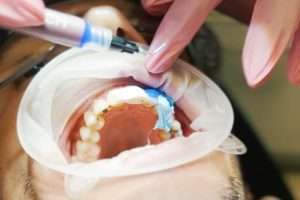 How Does Composite Bonding Work?
The process begins with a consultation during which your dentist assesses your teeth, discusses what you would like to change, and confirms that bonding is a suitable approach for your specific situation. Once you proceed, the surface of the tooth is lightly etched with a conditioning gel to create a slightly rough texture, which helps the resin adhere securely. The composite material — chosen to match your natural tooth shade — is then applied in layers. Your dentist shapes and moulds each layer before hardening it with an ultraviolet or LED curing light. Once all layers are in place, the tooth is polished to a smooth, lifelike finish. The entire process for a single tooth typically takes between 30 and 60 minutes.
The resin used in composite bonding is the same material employed in tooth-coloured fillings, but formulated and applied with cosmetic precision. Modern composites are significantly more durable and colour-stable than those used a decade ago, and an experienced cosmetic dentist can achieve results that are remarkably close in appearance to natural enamel. The shade matching process is especially important — a skilled clinician will select and blend composite shades under the natural and surgery lighting conditions that your teeth will actually be seen in, rather than relying on a single universal shade.
What Problems Can Composite Bonding Fix?
Composite bonding is effective across a surprisingly broad range of cosmetic concerns. Chips and fractures at the edges of front teeth are among the most common reasons patients seek bonding — even a small chip can significantly affect how a smile looks and feels, and bonding can restore the original shape in a single visit. Gaps between teeth, particularly the central gap known as a diastema, can be closed or reduced using bonding without the need for orthodontics in many cases. Teeth that are slightly shorter than neighbouring teeth, creating an uneven gumline appearance, can be built up to create a more harmonious smile line. Discolouration that does not respond to professional whitening, including intrinsic staining from certain medications or developmental conditions, can be masked effectively with composite. Finally, bonding is often used to smooth out rough or pitted surfaces and to improve the shape of teeth that are naturally narrow or irregular.
It is worth noting that composite bonding works best on specific, localised cosmetic issues. If you have multiple concerns across your entire smile, a comprehensive smile design consultation is worthwhile, as your dentist may recommend a combination of treatments — perhaps whitening first followed by bonding — or may suggest that porcelain veneers would deliver a more consistent result across a full arch.
Composite Bonding Compared with Other Cosmetic Treatments
Patients considering cosmetic dentistry often ask how composite bonding stacks up against porcelain veneers and professional teeth whitening. Each treatment has a distinct set of advantages and limitations, and the right choice depends on your specific dental situation, your budget, and how much long-term maintenance you are prepared to commit to. The table below sets out the key differences to help you make an informed comparison.
| Factor | Composite Bonding | Porcelain Veneers | Teeth Whitening |
|---|---|---|---|
| Invasiveness | Minimal — little or no enamel removal | Moderate — enamel is permanently reduced | Non-invasive — no tooth structure altered |
| Typical cost (per tooth) | £150–£350 | £500–£1,000+ | £250–£500 (full treatment) |
| Longevity | 5–7 years with good care | 10–20 years | 1–3 years before top-up needed |
| Number of appointments | Usually 1–2 | Usually 2–3 (including lab time) | 1–2 (or home kit over 2 weeks) |
| Reversibility | Largely reversible in most cases | Permanent — enamel cannot be restored | Fully reversible |
| Repairs | Easily repaired chairside | Requires laboratory-made replacement | N/A |
Is Composite Bonding Permanent?
Composite bonding is not a permanent treatment, but it is a long-lasting one. With proper care — regular brushing, flossing, routine hygiene appointments, and avoiding habits such as biting nails or chewing pen lids — bonded teeth can look excellent for five to seven years or more before any significant maintenance is needed. Over time, composite resin can pick up staining from tea, coffee, red wine, and food colourants, though modern materials are more stain-resistant than earlier generations. Your dentist can polish bonded teeth during routine appointments to restore their lustre. If a bonded tooth chips or the resin wears, it can almost always be repaired quickly in the chair without the need to replace the entire restoration.
This repairability is one of composite bonding’s most underrated advantages. If you chip a porcelain veneer, a new one must be fabricated in a dental laboratory, which takes time and adds cost. A chipped composite bond can usually be fixed in a single appointment. This makes bonding particularly appealing for younger patients who want to improve their smile now, knowing that their needs may change over time and that the treatment can be adjusted or upgraded in the future.
Who Is a Good Candidate for Composite Bonding?
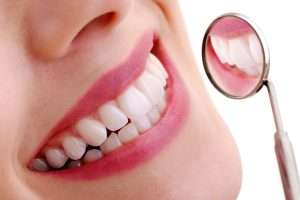 Who Is a Good Candidate for Composite Bonding?
Most adults with generally healthy teeth are suitable candidates for composite bonding. Your dentist will want to ensure that any existing decay or gum disease is treated before cosmetic work begins, since bonding onto unhealthy tooth structure will not last. Patients with significant grinding habits (bruxism) may find that bonded teeth chip more readily, though a protective night guard worn during sleep can help mitigate this risk. If your bite is severely misaligned, your dentist may recommend orthodontic treatment first to ensure the bonding sits correctly and wears evenly. For patients who smoke heavily or consume large quantities of staining foods and drinks, it is worth having a frank discussion about expectations, as composite resin will discolour more quickly in these circumstances.
Composite bonding is not generally suitable for teeth that have lost a substantial amount of their structure due to decay or trauma — in those cases, a crown may be a more appropriate restoration. However, for the vast majority of patients with cosmetic concerns about otherwise healthy teeth, bonding offers a straightforward, effective, and cost-accessible pathway to a noticeably improved smile. You can read more about the underlying materials science behind composite bonding on Wikipedia’s dental bonding article.
What Results Can You Realistically Expect?
The results of composite bonding depend heavily on the skill and artistry of the clinician performing the work. A good cosmetic dentist will assess the proportions of your face, the shape of your existing teeth, and the natural characteristics of your smile — including the way light reflects off enamel — before placing any material. The goal is not simply to cover a defect but to create a result that looks as though it was always part of your tooth. For straightforward cases such as a single chipped incisor, the improvement is often dramatic and immediately visible. For more complex cases involving multiple teeth, the transformation can be genuinely life-changing for patients who have felt self-conscious about their smiles for years.
Managing expectations is equally important. Composite bonding can make a very significant cosmetic difference, but it works within the constraints of your existing tooth structure and overall dental health. If your teeth are heavily stained, your dentist may recommend whitening first so that the composite can be shade-matched to a brighter base. If you are seeking a very dramatic transformation of your entire upper arch, porcelain veneers may ultimately deliver a more predictable and longer-lasting result, albeit at a higher cost and with greater irreversibility.
Taking the First Step
If you have been thinking about improving your smile and want to understand whether composite bonding is the right option for you, we would be glad to help. At Essential Dental Care in Polwarth, Edinburgh, our team takes time to understand what you would like to achieve and to explain all your options clearly before any treatment begins. To book a consultation, please call us on 0131 229 1806.