

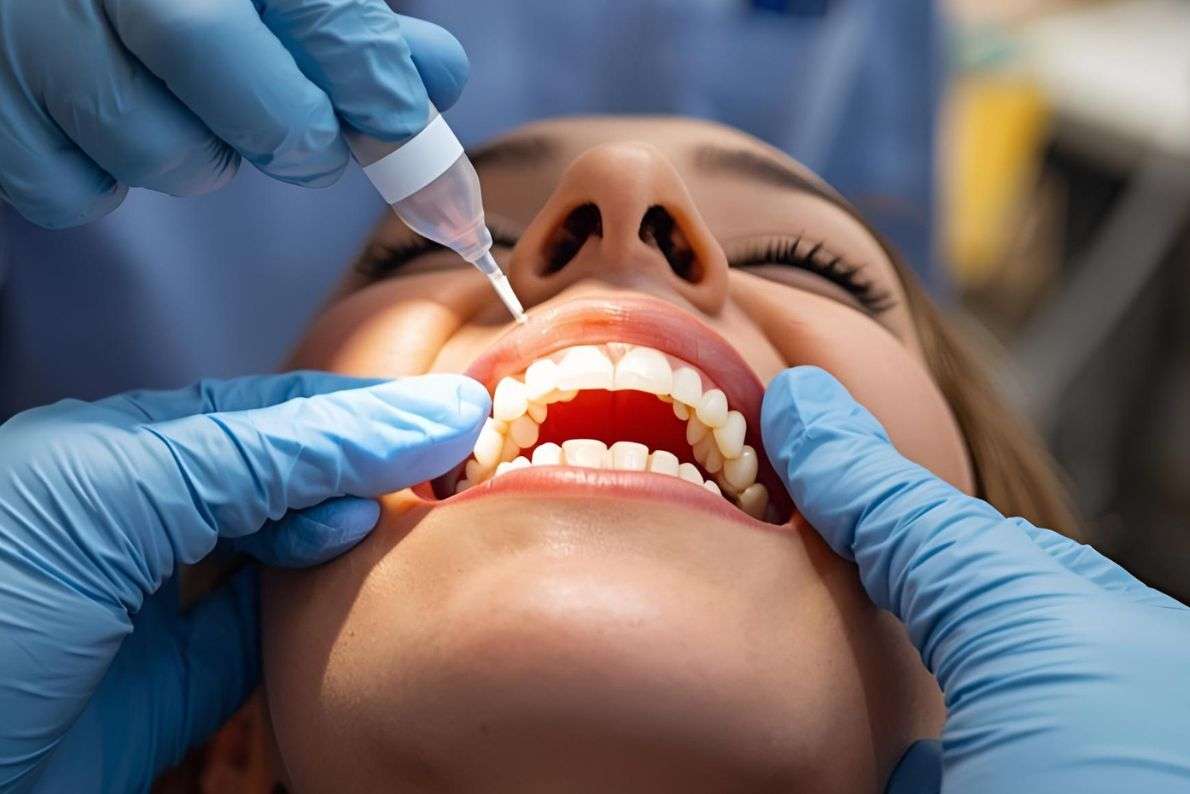
Composite bonding works exceptionally well for a wide range of patients, but it is not the most appropriate solution in every situation. Understanding who tends to benefit most from the treatment — and equally, who might be better served by a different approach — is one of the most valuable things a prospective patient can know before attending a consultation. Rather than simply hoping the treatment will be suitable, arriving with a clear picture of the relevant factors allows you to have a far more productive conversation with your dentist and to set realistic expectations about outcomes.
The Ideal Starting Point: Healthy Teeth and Gums
 The single most important requirement for composite bonding candidacy is that the underlying teeth and surrounding gum tissue are in good health. Composite resin is a cosmetic material applied to the outer surface of a tooth, and it cannot compensate for, conceal, or protect a tooth that has active decay or structural compromise. If there is untreated caries present, the decay will continue to progress underneath the bonding material, potentially causing far more serious problems than if the cosmetic work had simply been deferred. Similarly, if gum disease is active at the time of treatment, the gum tissue is likely to continue receding or becoming inflamed, which will expose the margins of the bonding and undermine both the appearance and the integrity of the restoration over time. A dentist will always carry out a thorough examination before any cosmetic work and will insist that any active disease is treated and stabilised first. Patients who are committed to good oral hygiene and have no active dental problems are the most straightforward candidates.
Patients with Chipped, Cracked or Worn Teeth
Composite bonding is particularly well-suited to repairing physical damage to teeth — chips from accidents or biting hard objects, cracks that have not penetrated deep into the tooth structure, and general wear that makes the edges of teeth look ragged or shortened. These are probably the most common reasons patients seek bonding, and the results can be transformative. A single chipped front tooth that has caused years of self-consciousness can be restored in under an hour to look entirely natural, with no evidence that the original damage ever occurred. For wear that has developed gradually over time, the dentist can build back the lost tooth structure to restore the original length and shape of the teeth. The key proviso is that the wear must not have compromised the structural integrity of the tooth itself; extensive wear or cracks that extend towards the nerve may require a crown or other restorative work instead.
Patients with Discolouration That Whitening Cannot Address
 Standard tooth whitening works by bleaching chromogens from within the enamel, which is effective for the extrinsic and mild intrinsic staining that most people accumulate through diet and age. However, some types of discolouration do not respond to whitening at all. Tetracycline antibiotic staining, which occurs when the drug is taken during childhood while the permanent teeth are developing, creates a grey or banded discolouration deep within the dentine that bleaching cannot remove. Similarly, fluorosis — a mottled, white or brown patterning caused by excess fluoride during tooth development — and discolouration caused by a previous root canal treatment or internal bleeding within a tooth are not responsive to conventional whitening. Composite bonding can cover all of these types of discolouration effectively, masking the affected surface with a well-matched resin that restores a natural tooth colour. For heavily stained or darkly discoloured teeth, porcelain veneers may provide a more reliable long-term barrier to staining, and the dentist will discuss the relative merits of each option at consultation.
Patients with Gaps or Spacing Between Teeth
Gaps between teeth — particularly the central diastema between the two upper front teeth — are a common motivation for seeking composite bonding. The dentist adds resin material to the sides of the teeth adjacent to the gap, widening them to reduce or eliminate the space. This approach works best when the gap is small to moderate, and when the resulting tooth widths will look proportionate within the context of the smile as a whole. A gap that can be convincingly closed by widening each adjacent tooth by a millimetre or so will respond very well to bonding. A gap that is large enough that closing it by this method would produce teeth that look unnaturally wide is better addressed through orthodontic treatment first, possibly followed by a smaller amount of bonding to refine the final result. An experienced dentist will assess this at consultation and give an honest recommendation about which approach will produce the most natural outcome.
Patients Who Are Not Ready for Permanent Treatment
One of the most underappreciated aspects of composite bonding candidacy is its suitability for patients who want cosmetic improvement but are not yet ready to commit to irreversible changes to their teeth. Porcelain veneers require enamel removal, which means the teeth will always require a veneer or other covering from that point forward. Dental crowns involve even more extensive preparation. Composite bonding, by contrast, is in most cases fully reversible — the resin can be removed without significant damage to the natural tooth if a patient later decides they want a different treatment or simply prefers their teeth in their original state. This makes it an excellent choice for younger patients who are still developing their cosmetic preferences, or for anyone who wants to trial an improved smile before deciding whether to pursue more permanent options. It also makes it a useful diagnostic tool, since a dentist can apply composite in a way that previews the aesthetic outcome of a more permanent treatment such as veneers.
Patients Who Grind Their Teeth: Proceed with Caution
Bruxism — the involuntary grinding or clenching of teeth, most commonly during sleep — is a significant risk factor for composite bonding failure. The forces involved in active grinding can chip, fracture or wear down composite resin far more rapidly than normal chewing forces would, and patients who grind heavily without protection can find their bonding damaged within months rather than years. This does not mean that patients who grind are automatically excluded from composite bonding, but it does mean that treatment needs to be accompanied by a management strategy. A custom-fitted occlusal splint or night guard, worn during sleep, substantially reduces the force transmitted to the bonded teeth and allows the treatment to last at a normal rate. Patients who are diagnosed with bruxism are advised to begin wearing a night guard either before or at the same time as their bonding, and to accept that without this protection, the longevity of the composite cannot be guaranteed.
Patients with Significant Misalignment
Composite bonding can create an impression of straighter-looking teeth in mild cases of crowding or uneven positioning, but it cannot change where the teeth actually sit within the jaw. For patients whose primary concern is the position and alignment of their teeth rather than their shape, colour or surface integrity, orthodontic treatment will produce a more accurate and lasting result. Clear aligner treatment such as Invisalign is commonly combined with composite bonding in a planned sequence: alignment is corrected first through orthodontics, and then bonding is applied to refine the individual appearance of teeth once they are correctly positioned. This combination can produce results that look entirely natural and last well, because the underlying positions are correct and the bonding is not being asked to compensate for significant misalignment. The NHS dental treatments guide provides a helpful overview of how different dental treatments are categorised and when each is typically recommended.
Suitability Assessment: Patient Profiles at a Glance
The table below provides a summary of common patient profiles and an honest assessment of whether composite bonding is the most suitable option, along with notes on alternatives where relevant.
| Patient Profile | Suitable for Composite Bonding? | Notes / Alternatives to Consider |
|---|---|---|
| Healthy teeth with chips or cracks | Yes — excellent candidate | One of the most effective applications; results often immediate and natural |
| Small to moderate gaps between teeth | Yes — good candidate | Large gaps may benefit from orthodontics first for proportionate result |
| Tetracycline or fluorosis staining | Yes — good candidate | Porcelain veneers may offer a more stain-resistant long-term solution for severe cases |
| Active tooth decay or gum disease | Not until treated | Underlying disease must be resolved before any cosmetic work proceeds |
| Severe tooth grinding (bruxism) | Conditionally — with night guard | A custom night guard is essential; without it, bonding longevity is significantly reduced |
| Significant crowding or misalignment | Partial — may need orthodontics first | Invisalign followed by bonding often produces the most natural combined result |
| Structurally compromised teeth | Not appropriate — crowns likely needed | Teeth with large existing restorations or extensive damage need full-coverage restorations |
| Patient wanting reversible cosmetic improvement | Yes — ideal candidate | Composite can be removed without permanent tooth alteration in most cases |
| Young patient not ready for veneers | Yes — recommended starting point | Preserves tooth structure and keeps future options open |
What a Consultation Will Establish
If you are unsure whether you are a good candidate for composite bonding, the most reliable way to find out is to attend a consultation with an experienced cosmetic dentist. A consultation typically involves a visual examination of your teeth and gums, an assessment of your bite and jaw function, a discussion of your specific goals and concerns, and an honest conversation about which treatments are most likely to achieve the result you are looking for. This is also the moment to raise any concerns you have about the procedure itself, about cost, or about how long the results are likely to last given your particular habits and lifestyle. A dentist who takes the time to assess your full dental health picture rather than simply agreeing that bonding is appropriate on the basis of your preference alone is one you can trust to give you a result that lasts.
At Essential Dental Care in Polwarth, Edinburgh, we offer thorough cosmetic consultations to help you understand exactly what composite bonding can achieve for your smile and whether it is the right choice for your situation. To arrange an appointment, call us on 0131 229 1806 and a member of our friendly team will be happy to help you take the next step.