

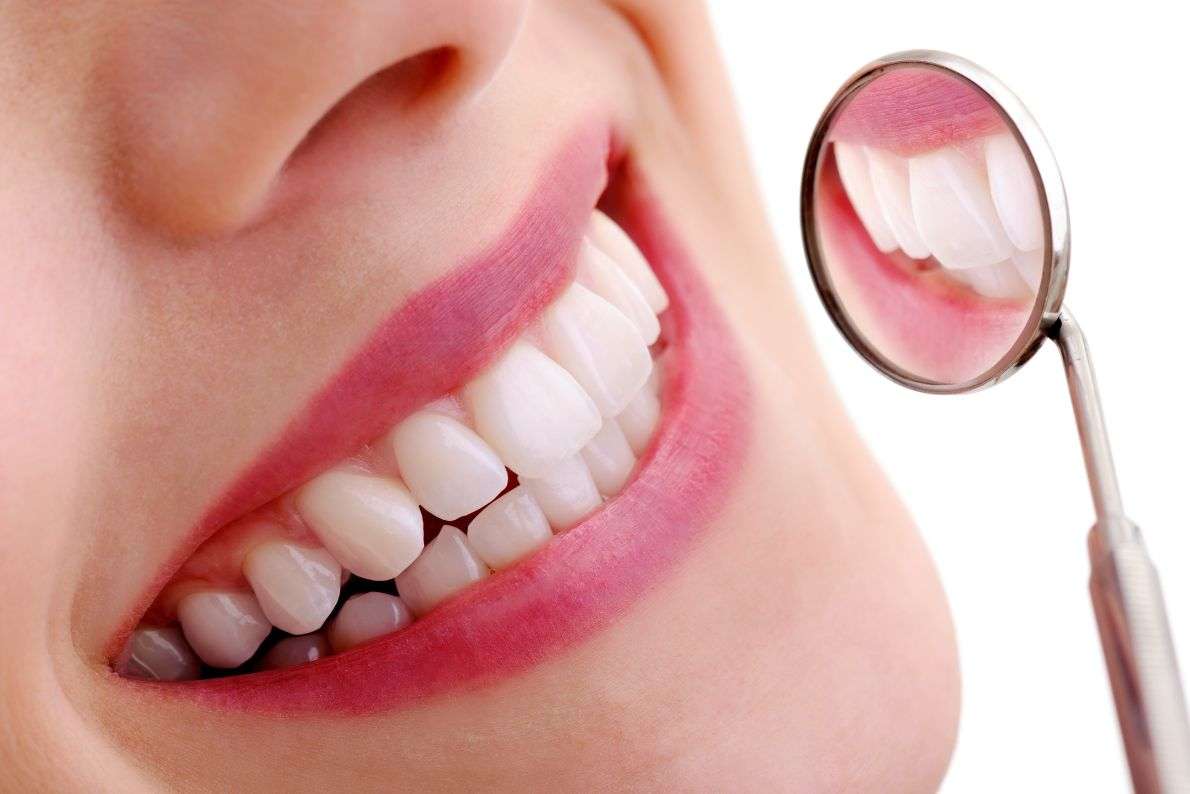
Composite bonding typically lasts between five and ten years before any significant maintenance or replacement becomes necessary — but this figure conceals a wide range of real-world outcomes. Some patients find their bonding still looking excellent after twelve years; others notice wear or staining within three or four years. The difference almost always comes down to a combination of the quality of the original application and the habits and choices the patient makes afterwards. Understanding what drives longevity in composite bonding helps you take an active role in protecting your investment and getting the most from your treatment.
What Is Composite Bonding Made Of?
To understand why composite bonding wears and changes over time, it helps to know what the material actually is. Composite resin is a mixture of a plastic polymer base (most commonly bis-GMA or urethane dimethacrylate) and finely ground particles of glass, ceramic or quartz. These filler particles are responsible for the hardness and wear resistance of the finished material, while the polymer provides the adhesive and workable qualities that allow the dentist to sculpt it before it is light-cured. Modern composite resins contain a higher proportion of filler particles than earlier formulations, which makes them more durable and more resistant to staining. The Wikipedia article on dental composite provides an informative technical overview of how these materials are formulated and how their properties have improved over successive generations of development.
Despite these improvements, composite remains less hard than natural enamel and considerably less resistant to staining than porcelain. This means that how you use your teeth and what you consume will always have a meaningful impact on how the bonding ages. The good news is that most of the factors that shorten composite bonding lifespan are within the patient’s control.
The Role of Diet and Lifestyle
Diet has a significant influence on how composite bonding ages. Hard and crunchy foods — crusty bread, raw carrots, apples bitten directly, hard sweets, ice and nuts — place substantial shear forces on bonded surfaces and are a common cause of chipping, particularly at the edges of front teeth. Composite bonding is designed to withstand normal chewing forces, but biting aggressively into very hard substances with the precise edges of bonded teeth accelerates surface wear. Patients who regularly eat a diet high in acidic foods and drinks, including citrus fruits, carbonated soft drinks and vinegar-based foods, may find that the composite surface gradually becomes roughened or slightly dull, since acids can erode the organic component of the resin over time.
 Staining is a separate but related concern. Composite resin absorbs pigments more readily than porcelain because its polymer matrix is slightly permeable. Tea, coffee, red wine, soy sauce, turmeric, berries and tobacco all contribute to composite staining. Patients who consume large quantities of these regularly without rinsing afterwards or maintaining thorough oral hygiene will notice discolouration developing more quickly. Smoking is particularly harsh on composite bonding, producing yellowing and browning that is difficult to remove through polishing alone and typically requires earlier refinishing or replacement.
The Impact of Tooth Grinding (Bruxism)
Bruxism — the habit of clenching or grinding the teeth, which occurs most commonly during sleep — is one of the most significant risk factors for premature composite bonding failure. The forces generated during grinding are substantially higher than those produced by normal chewing, and composite resin is not designed to withstand sustained loading of this intensity. Patients who grind their teeth without being aware of it often notice that their bonding chips or wears far faster than they would expect, and may attribute this to the quality of the treatment rather than recognising the underlying cause. If bruxism is diagnosed or suspected, a dentist will typically recommend a custom-fitted night guard to be worn during sleep. This protective device absorbs and dissipates the grinding forces, substantially extending the lifespan of composite bonding as well as protecting the natural teeth underneath.
Nail Biting and Pen Chewing
Habits that place repetitive point-loading forces on the edges of the front teeth are particularly damaging to composite bonding. Nail biting, chewing the ends of pens or pencils, opening packaging with the teeth, and biting thread or tape are all habits that, repeated daily, create micro-fractures in composite that eventually lead to visible chipping or edge loss. These habits can be difficult to change, but patients who are serious about protecting their bonding are strongly advised to make a conscious effort to avoid them. A dentist can often identify evidence of these habits in the wear pattern of the bonding at a routine check-up, which provides an opportunity to address them before significant damage occurs.
The Quality of the Original Application
 Not all composite bonding is equal, and the longevity of the result is significantly influenced by the skill and experience of the clinician who applies it. Key technical factors include the thoroughness of the etching and bonding process (which determines how strongly the resin adheres to the tooth), the quality of the layering technique (which influences whether the internal structure of the bonding has adequate strength), and the precision of the occlusal adjustment (ensuring that the bonded teeth meet the opposing teeth correctly without creating high spots that concentrate force). A dentist who rushes the process or applies composite in a single thick layer rather than building it up carefully in multiple thinner increments is more likely to produce bonding that is prone to cracking, debonding or rapid wear. Choosing a practice with demonstrable experience in cosmetic composite work is therefore a meaningful factor in how long your results last.
Oral Hygiene and Professional Maintenance
Good oral hygiene habits protect composite bonding in two important ways. Thorough brushing and interdental cleaning prevent the build-up of plaque and calculus around the margins of the bonding, which, if left untreated, leads to gum recession that can expose the edges of the resin and undermine the aesthetic result. Regular professional hygiene appointments allow the hygienist to polish the surface of the composite, removing superficial staining and maintaining its lustre. Most dental hygienists use polishing instruments and pastes that are safe for composite surfaces, though it is worth mentioning your bonding to them so that they can select the most appropriate polishing agent. Patients who attend hygiene appointments every six months consistently report better long-term appearance from their composite bonding than those who attend infrequently.
Factors Affecting Composite Bonding Longevity
The table below summarises the key factors that influence how long composite bonding lasts, the impact each has on lifespan, and what can be done to manage or mitigate it.
| Factor | Impact on Lifespan | What to Do About It |
|---|---|---|
| Tooth grinding (bruxism) | High — major cause of chipping and premature wear | Wear a custom night guard; discuss with dentist if grinding is suspected |
| Diet (hard foods) | Moderate — chips edges over time | Avoid biting directly into very hard foods with bonded front teeth |
| Staining foods and drinks | Moderate — causes discolouration, not structural failure | Rinse after consuming; reduce intake; attend regular hygiene appointments |
| Smoking | High — rapid, deep staining of composite surface | Cease smoking; surface can be polished but staining recurs quickly |
| Nail biting and similar habits | Moderate to high — edge chipping on front teeth | Actively work to stop the habit; inform your dentist |
| Oral hygiene standard | Moderate — affects margins and surrounding gum health | Brush twice daily, floss or use interdental brushes, attend hygiene appointments |
| Quality of original application | High — determines structural integrity from the outset | Choose an experienced cosmetic dentist; ask to see case photographs |
| Acid exposure | Low to moderate — gradual surface roughening | Limit acidic drink frequency; use a straw; rinse after consumption |
When Does Composite Bonding Need to Be Replaced?
Composite bonding does not have a fixed expiry date after which it must be replaced regardless of condition. Some bonding remains functionally and aesthetically sound for ten or more years; other cases require attention earlier. The signs that bonding needs maintenance or replacement include visible chipping or fracturing of the resin, significant staining that cannot be polished away, roughening of the surface texture, discolouration at the margins where the resin meets the natural tooth, or the bonding beginning to detach. A dentist who examines your bonding at regular check-ups will identify these signs early and advise on whether a simple polish, a minor repair or a full replacement is the most appropriate response. In many cases, a repair to a chipped area extends the life of the bonding substantially without requiring the entire application to be renewed.
 Is Composite Bonding Maintenance-Free?
 Is Composite Bonding Maintenance-Free?
No cosmetic dental treatment is truly maintenance-free, and composite bonding is no exception. It requires a degree of ongoing attention — consistent oral hygiene, regular hygiene appointments, some dietary awareness and, in some cases, the use of a night guard. However, compared to the maintenance requirements and replacement costs associated with porcelain veneers (which cannot be repaired when damaged and must be fully replaced at significant cost), composite bonding is considerably more forgiving and cost-effective to maintain over its lifetime. For most patients who are willing to be thoughtful about their habits, composite bonding offers excellent longevity for its cost and the straightforwardness of the procedure.
At Essential Dental Care in Polwarth, Edinburgh, we give every composite bonding patient detailed aftercare guidance to help them protect their results for as long as possible. If you have questions about longevity, maintenance or whether composite bonding is right for your lifestyle, please get in touch on 0131 229 1806 and we will be happy to discuss your situation.