

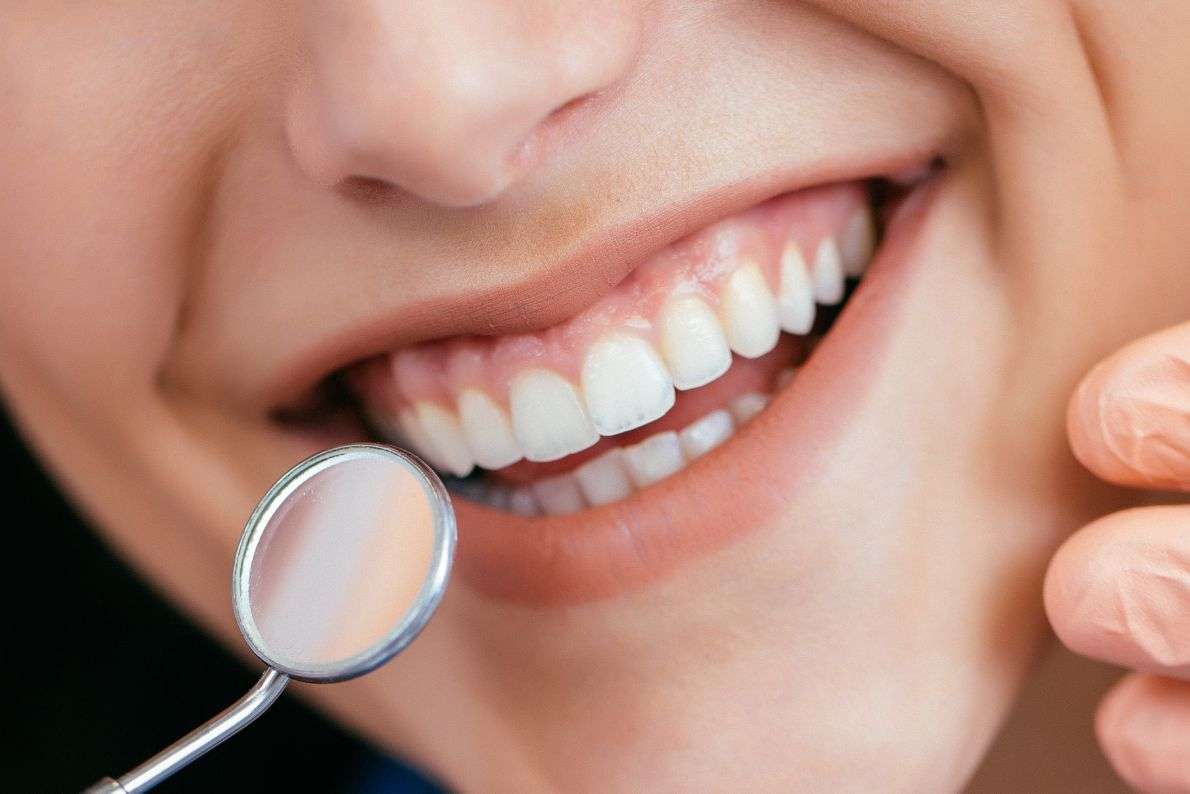
Choosing between cosmetic dental treatments can feel overwhelming, particularly when each option comes with its own set of trade-offs around cost, invasiveness, longevity and the types of problems it can address. Composite bonding has risen to prominence in recent years as one of the most versatile and accessible treatments available, but it is not always the right choice for every patient or every situation. Understanding how it compares to alternatives such as porcelain veneers, dental crowns, teeth whitening and Invisalign allows you to approach a consultation with clarity and confidence, rather than relying solely on what sounds appealing in an advertisement.
What Composite Bonding Actually Involves
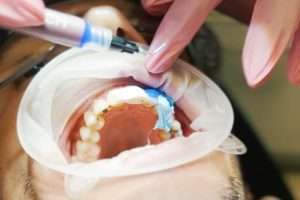
Composite bonding uses a tooth-coloured resin material that is applied directly to the surface of a tooth, sculpted by the dentist while soft, and then hardened using a blue curing light. The procedure typically requires no anaesthetic, no removal of healthy tooth structure in most cases, and can be completed in a single appointment. The resin is matched carefully to the surrounding teeth so that the result blends naturally with your existing smile. It is used to address chipped, cracked or discoloured teeth, to close small gaps, to reshape teeth that appear too short or uneven, and to improve the overall aesthetic of a smile without committing to more permanent or invasive work. For many patients, this combination of speed, affordability and reversibility makes it the most sensible starting point for cosmetic improvement.
Porcelain Veneers: A More Permanent Solution
Porcelain veneers are thin shells of dental-grade ceramic that are bonded permanently to the front surface of teeth. They are fabricated in a dental laboratory from impressions taken at the practice, which means the process typically takes two appointments spread over one to two weeks. To place veneers, a small amount of enamel is usually removed from the front of each tooth to ensure the veneer sits flush and does not appear bulky. This enamel removal is permanent, meaning the teeth will always require some form of covering afterwards. Veneers deliver an exceptionally polished and consistent result, and they resist staining far better than composite resin over time. They are particularly well-suited to patients who want a dramatic transformation across multiple front teeth and are prepared to invest in a longer-lasting result. However, because of the enamel reduction and the laboratory fabrication costs, they represent a significantly higher financial and physical commitment than composite bonding.
Dental Crowns: Restoration as Well as Aesthetics
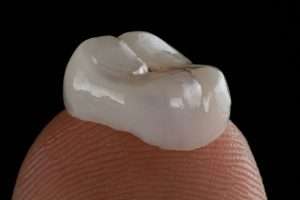
A dental crown covers the entire visible portion of a tooth above the gum line, encasing it completely. Crowns are primarily restorative rather than cosmetic — they are used when a tooth is so damaged, decayed or weakened (for example, after a root canal) that it requires structural reinforcement. Modern crowns are often made from tooth-coloured ceramic or zirconia, meaning they can look natural and contribute to a pleasing aesthetic. However, fitting a crown requires significant preparation of the underlying tooth, removing a substantial amount of natural structure to create space. This makes crowns wholly inappropriate for purely cosmetic purposes on otherwise healthy teeth. If a tooth has existing damage or a large filling that has compromised its integrity, a crown may be the right solution; if the tooth is structurally sound and the concern is purely aesthetic, composite bonding or veneers will almost always be more appropriate.
Teeth Whitening: Addressing Colour Without Altering Shape

Professional teeth whitening, whether performed in-chair or using custom take-home trays provided by a dentist, is specifically designed to lighten the natural colour of tooth enamel. It does this using hydrogen peroxide or carbamide peroxide gel, which penetrates the enamel and breaks down the molecules responsible for discolouration. Whitening is highly effective for teeth that are structurally intact but have become stained or yellowed through diet, lifestyle or the natural ageing process. It cannot, however, alter tooth shape, close gaps, repair chips or address intrinsic discolouration caused by medications such as tetracycline, which stains from within the tooth structure. Whitening is also the most temporary of the main cosmetic options, requiring maintenance treatments every six to eighteen months depending on lifestyle habits. Many patients choose to whiten before undergoing composite bonding, since the resin is colour-matched to the teeth at the time of application, meaning whiter teeth result in a brighter final outcome.
Invisalign: Correcting Alignment Rather Than Appearance

Invisalign is a form of clear aligner orthodontic treatment that gradually moves teeth into improved positions over a course of several months to a couple of years, depending on the complexity of the case. It addresses crowding, spacing, mild to moderate bite issues and rotations in a way that no surface cosmetic treatment can replicate, because it changes the actual position of the teeth rather than masking their current position. The key distinction is that Invisalign improves alignment, not appearance directly — though the two are closely related. Many patients choose to complete a course of Invisalign first and then have a finishing layer of composite bonding to perfect individual teeth once they are correctly positioned. This combination can produce exceptionally natural and lasting results. Invisalign is, however, a longer commitment and requires discipline in wearing the aligners for twenty to twenty-two hours per day.
Comparison at a Glance
The table below summarises the key differences between the main cosmetic dental options to help you compare them directly across the criteria that matter most to patients.
| Treatment | Typical Cost (per tooth or course) | Invasiveness | Reversibility | Longevity | Best Suited For |
|---|---|---|---|---|---|
| Composite Bonding | From £250 per tooth | Minimal — usually no enamel removal | Fully reversible in most cases | 5–10 years with care | Chips, gaps, discolouration, minor reshaping |
| Porcelain Veneers | £700–£1,500 per tooth | Moderate — enamel removal required | Not reversible (tooth always needs covering) | 10–20 years | Major smile makeovers, persistent staining |
| Dental Crown | £600–£1,200 per tooth | High — significant tooth reduction | Not reversible | 10–15+ years | Damaged, decayed or structurally weak teeth |
| Teeth Whitening | £200–£700 per course | None | Fully reversible | 6–18 months before top-up needed | General staining and yellowing of otherwise healthy teeth |
| Invisalign | £2,000–£5,000 per course | None to the tooth surface | Fully reversible (retainers needed after) | Permanent if retainers are worn | Crowding, spacing, bite issues, misalignment |
Making the Right Choice for Your Situation
The treatment that is right for you depends on four main factors: the nature of the concern you want to address, the condition of your underlying teeth, your budget and your appetite for a longer-term commitment. Composite bonding tends to be the best starting point for patients who want a noticeable improvement without significant expense or irreversible changes to their teeth. It is also frequently used as a trial before committing to veneers, since a skilled dentist can mock up a provisional composite result for you to live with and assess before any enamel is ever removed. If the core issue is alignment rather than aesthetics, Invisalign addresses something that no bonding material can. If the problem is deep structural damage or extensive decay, a crown is likely the clinically appropriate choice regardless of aesthetic preferences. For more information on the range of cosmetic and restorative dental treatments available in the UK, the NHS guide to dental treatments provides a useful and impartial overview.
The Value of a Thorough Consultation
 A good cosmetic dentist will never push a single treatment without first understanding your goals, examining your teeth and discussing the realistic outcomes of each option for your specific case. The right recommendation depends on clinical assessment as much as personal preference, and a dentist who takes the time to explain the trade-offs is one you can trust to deliver the result you are hoping for. Treatment planning for a smile makeover should feel collaborative, not prescriptive.
At Essential Dental Care in Polwarth, Edinburgh, we take pride in giving patients the time and information they need to make an informed decision about their smile. Whether composite bonding, veneers, whitening or a combination of treatments is right for you, we are here to talk through the options honestly and thoroughly. To arrange a consultation, call us on 0131 229 1806 and we will be happy to help.