


Composite bonding has become one of the most sought-after cosmetic dental treatments across Edinburgh over the past several years, and for good reason. It offers patients a fast, minimally invasive, and relatively affordable route to a noticeably improved smile — without the permanent commitment or higher cost associated with porcelain veneers. Whether you have a chip that has bothered you for years, a small gap you have always been self-conscious about, or simply want your smile to look more even and polished, composite bonding is worth understanding in detail before you decide whether it is the right treatment for you.
What Is Composite Bonding?
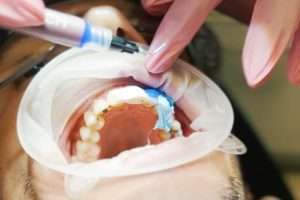 Composite bonding is a cosmetic dental procedure in which a tooth-coloured resin material is applied directly to the surface of a tooth, sculpted to the desired shape, and hardened using a special curing light. The composite resin is the same type of material used for tooth-coloured fillings, but when used cosmetically it is selected with great care for shade, translucency, and texture to match or improve upon the appearance of natural enamel. Because the material bonds chemically and mechanically to the tooth surface, very little or no removal of natural enamel is required in most cases, making composite bonding one of the most conservative cosmetic interventions available.
The entire treatment is typically completed in a single appointment for one or two teeth, though multiple teeth being treated simultaneously may require a longer session or a follow-up visit. There is generally no need for local anaesthetic unless a small amount of enamel adjustment is required or the tooth being treated has pre-existing sensitivity. Patients leave with an immediate result — no waiting for a dental laboratory, no temporary restorations, and no second appointment to fit a finished restoration.
Which Dental Issues Can Composite Bonding Address?
One of the reasons composite bonding has grown so popular in Edinburgh and across the UK is its versatility. Dentists trained in cosmetic techniques can use composite resin to address a remarkably broad range of aesthetic concerns, from straightforward single-tooth repairs to more involved smile redesigns. The table below summarises the most common dental issues patients present with, how well bonding addresses each one, and what the expected outcome and treatment timeline looks like.
| Dental Issue | Suitability for Bonding | Expected Outcome | Appointments Needed |
|---|---|---|---|
| Chipped or fractured incisor | Excellent | Full restoration of original shape and appearance | 1 |
| Small gap between front teeth (diastema) | Good for gaps up to 2–3mm | Closed or significantly reduced gap | 1–2 |
| Intrinsic tooth discolouration | Good — covers staining whitening cannot treat | Uniform, brighter appearance | 1–2 |
| Short or worn teeth | Good for mild to moderate wear | Lengthened, more proportionate teeth | 1–2 |
| Misshaped or irregular teeth | Very good | More symmetrical and even smile | 1–2 |
| Minor crowding or spacing | Moderate — best for mild cases | Improved appearance without orthodontics | 2–3 |
| Exposed root surfaces | Moderate — protects and improves aesthetics | Covered root, reduced sensitivity in many cases | 1–2 |
The Treatment Process Step by Step
Understanding what happens at each stage of composite bonding helps patients feel more confident and know what to expect when they arrive for their appointment. The process begins well before any resin touches your teeth.
At your initial consultation, your dentist will carry out a thorough examination of your teeth and gums, take any necessary radiographs, and talk through your cosmetic concerns in detail. It is important at this stage to be specific about what you dislike and what you hope to achieve — the more information you give your dentist, the better they can tailor the treatment to your expectations. Your dentist will also assess your bite, check for any signs of grinding or clenching, and confirm that your gums and tooth structure are healthy enough to support cosmetic work. Any necessary preparatory treatment — such as a scale and polish or the resolution of a small cavity — should be completed before bonding begins.
On the day of treatment, your dentist will select the composite shade or shades that best match your existing teeth (or the improved shade you are aiming for, if you have completed whitening in advance). The tooth surface is cleaned and a mild conditioning gel is applied briefly to create a slightly textured surface that helps the resin bond securely. An adhesive is then painted onto the tooth. The composite resin is applied in small increments, with each layer shaped and then hardened using a curing light before the next is added. This layering technique allows the dentist to build depth, translucency, and texture into the restoration — qualities that are essential for a natural appearance. Once the final shape is achieved, the tooth is polished to a smooth, lustrous finish that reflects light in a similar way to natural enamel.
Composite Bonding Aftercare in Edinburgh
 Looking after bonded teeth is not complicated, but a few straightforward habits will make a meaningful difference to how long your results last and how good they continue to look. Composite resin is somewhat porous compared to natural enamel, which means it can absorb colour from food and drink over time. Cutting down on tea, coffee, red wine, and foods with strong pigments — or rinsing your mouth with water after consuming them — will help preserve the shade. Smoking causes particularly rapid and deep staining of composite resin and will significantly shorten the aesthetic lifespan of your bonding.
From a physical standpoint, composite resin is strong but not indestructible. Avoid using your bonded teeth to bite hard objects such as pens, fingernails, or packaging. Be cautious with very hard foods such as crusty bread or boiled sweets, particularly in the days immediately after treatment when the resin is at its most vulnerable to impact. If you grind your teeth at night, discuss this with your dentist before or during your bonding consultation — a custom-fitted night guard worn during sleep can significantly reduce the stress placed on bonded teeth and extend their lifespan. Maintaining your regular six-monthly dental appointments is important not only for your overall oral health but also so that your dentist can monitor the condition of the bonded teeth and carry out any minor maintenance before small issues become larger ones.
How Much Does Composite Bonding Cost in Edinburgh?
Composite bonding is not available on the NHS for cosmetic purposes, so you will be paying privately. Costs in Edinburgh typically range from around £150 to £350 per tooth, depending on the complexity of the case, the number of surfaces being treated, and the experience of the clinician. A full smile makeover involving multiple teeth will naturally cost more in total, though some practices offer package pricing. It is worth remembering that while composite bonding is less expensive per tooth than porcelain veneers upfront, it may require more frequent maintenance or replacement over a 10–15 year period, so factoring in long-term costs is wise when comparing options. The NHS dental treatments guide provides useful context on what is and is not covered under NHS dentistry in the UK.
Choosing the Right Dentist for Composite Bonding in Edinburgh
The quality of composite bonding varies enormously depending on the skill and artistic sensibility of the dentist performing it. Unlike porcelain veneers, which are crafted in a dental laboratory by a technician and then fitted by the dentist, composite bonding is entirely hand-shaped by the clinician in real time. This means the end result is directly dependent on the dentist’s training, experience, and aesthetic judgement. When researching dentists in Edinburgh, look for practitioners who have completed postgraduate training in cosmetic dentistry, who can show you a portfolio of before-and-after photographs from their own patients, and who take time to understand your goals rather than immediately moving towards treatment. A consultation that feels rushed or in which the dentist does not ask detailed questions about what you want to achieve is a warning sign worth heeding.
It is also worth asking whether the practice uses high-quality composite systems and whether they have access to a range of shades and opacities. The best results come from dentists who layer different composite shades to replicate the natural variation found in real teeth — a uniformly white or opaque result can look artificial, particularly on the front teeth where the aesthetic standard is highest.
Is Composite Bonding Right for You?
 For most patients with localised cosmetic concerns about otherwise healthy teeth, composite bonding represents an excellent balance of quality, accessibility, and reversibility. It delivers visible results quickly, at a fraction of the cost of porcelain veneers, and can be repaired or adjusted with ease if your needs change over time. It is not, however, a universal solution — patients with heavily damaged teeth, severe bite problems, or very high aesthetic expectations for a full arch transformation may be better served by alternative or combined treatments. A thorough consultation with an experienced cosmetic dentist is the best way to establish which path is right for your individual smile.
At Essential Dental Care in Polwarth, Edinburgh, we offer composite bonding consultations in which we take time to understand your concerns, examine your teeth carefully, and explain all your options honestly — including when we feel a different treatment might serve you better. To find out whether composite bonding is right for you, call us on 0131 229 1806.