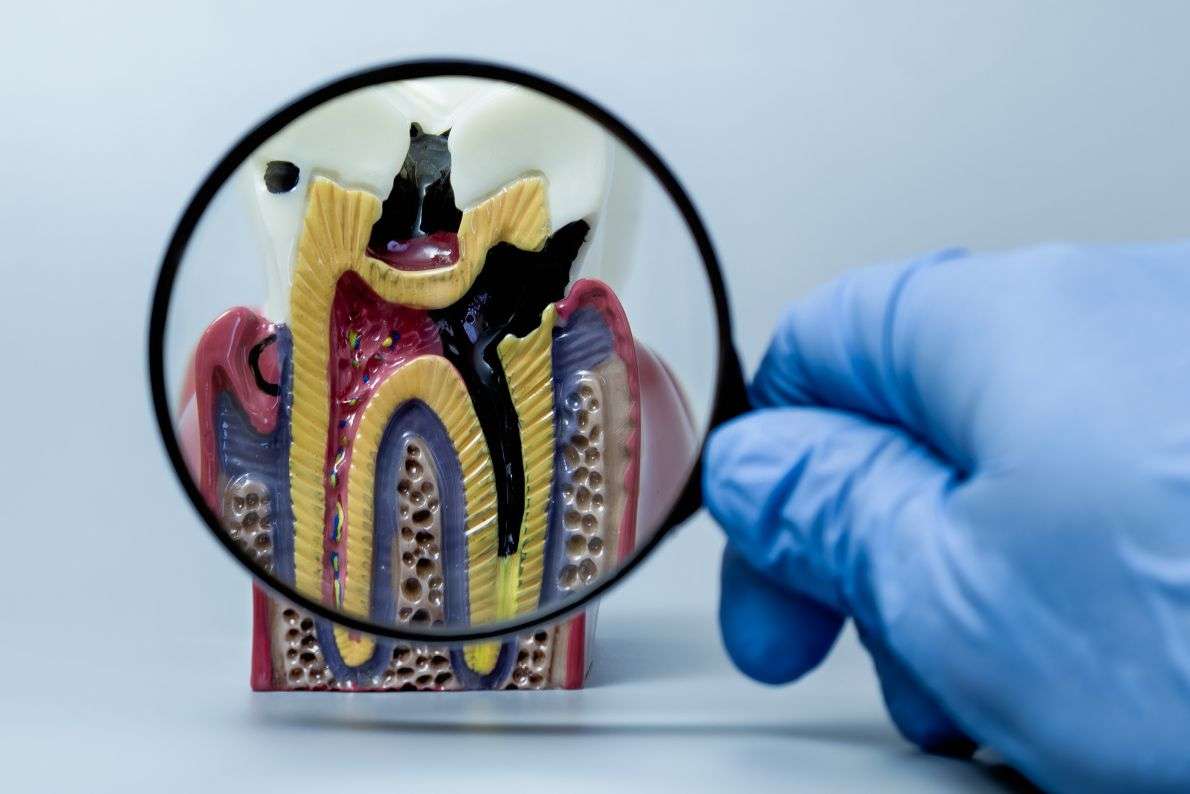
Category

Root Canal

Aftercare Tips Following Your Root Canal Treatment - Essential Dental Care

Aftercare Tips Following Your Root Canal Treatment

By Root Canal

Completing your root canal treatment is a significant step towards preserving your natural tooth and eliminating the infection that was causing you discomfort. How well you care for the treated tooth in the days and weeks that follow plays an important role in how smoothly you recover and how long the results last. Good aftercare is straightforward, and most patients are back to their normal routine within a day or two.

After root canal treatment, it is completely normal to experience some mild soreness or sensitivity around the treated tooth as the local anaesthetic wears off and the surrounding tissues begin to settle. The NHS advises that this discomfort should ease within a few days and can be managed with over-the-counter pain relief such as paracetamol or ibuprofen.

The First 24 Hours After Treatment

The immediate period after root canal treatment requires a little care. Your mouth will still be numb from the local anaesthetic, which typically takes two to four hours to wear off fully. During this time, avoid eating on the treated side of your mouth, as you could inadvertently bite your cheek, lip, or tongue without realising it.

Once sensation returns, stick to soft foods for the remainder of the day. Options such as soup, yoghurt, scrambled eggs, and mashed potato are ideal. Avoid anything very hard, crunchy, or chewy until any soreness has fully settled. If your dentist has placed a temporary filling rather than a permanent restoration, be particularly careful, as temporary fillings are less robust and can be dislodged by tough foods.

Managing Discomfort

Some degree of tenderness around the treated tooth is normal for the first few days. The area around the root tip may feel slightly inflamed as it heals. Most patients find this very manageable with standard painkillers:

  • Paracetamol — Take as directed on the packaging. Effective for general soreness and safe for most adults.
  • Ibuprofen — An anti-inflammatory as well as a painkiller, which can be particularly helpful in the first day or two. Avoid if you have a history of stomach problems, kidney issues, or are pregnant. Check with your pharmacist if you are unsure.
  • Alternating both — Some patients find alternating paracetamol and ibuprofen every few hours provides better overall relief than either alone. Speak to your dentist or pharmacist if you want guidance on this.

Do not take more than the recommended dose of any medication. If pain is severe, worsening after two to three days rather than improving, or not controlled by over-the-counter medication, contact your dentist promptly.

Oral Hygiene After Root Canal Treatment

It is important to continue with your usual oral hygiene routine after treatment. Keeping the area clean reduces the risk of further infection and supports healing. Brush twice daily with a fluoride toothpaste, and continue to floss or use interdental brushes between teeth as you normally would.

Be gentle around the treated tooth for the first few days, particularly if the gum tissue around it is a little tender. You do not need to avoid the area, but there is no need to brush aggressively. A soft-bristled toothbrush is a good choice in the immediate post-treatment period.

Avoid using mouthwash that contains alcohol in the first 24 hours, as this can irritate already sensitive tissue. An alcohol-free antibacterial rinse can be beneficial once the initial healing period has passed, particularly if your dentist recommends it.

Foods to Avoid During Recovery

Protecting the treated tooth from unnecessary stress during the recovery period is important. Avoid the following until your dentist confirms the tooth is fully restored:

  • Hard foods such as raw carrots, crusty bread, nuts, and hard sweets
  • Chewy foods like tough meat, toffee, or bagels
  • Sticky foods that could dislodge a temporary filling
  • Extremely hot or cold food and drink, as the tooth may be temporarily more sensitive

These restrictions typically apply only for the first week or two. Once a permanent crown is in place, your tooth will be considerably better protected.

The Importance of Your Follow-Up Appointment

Root canal treatment is rarely a one-and-done appointment. Whether your dentist has placed a temporary filling or completed treatment in one session, a follow-up is usually needed to place a permanent crown. This is a critical step that should not be delayed. A temporary filling is not designed to be a permanent solution and will not offer the long-term protection the tooth needs.

The crown seals the tooth against reinfection, protects the remaining tooth structure from fracture, and restores normal bite function. Most dentists recommend fitting the crown within a few weeks of completing the root canal procedure. Delaying this can increase the risk of the tooth cracking or becoming reinfected.

Aftercare Summary

Time After TreatmentRecommended Actions
0–4 hoursAvoid eating; anaesthetic is still active
First 24 hoursSoft foods only; avoid the treated side; take painkillers if needed
Days 2–5Gentle brushing; continue soft diet; monitor for unusual symptoms
First weekAvoid hard, sticky, or chewy foods; no alcohol-based mouthwash
Within a few weeksAttend follow-up appointment; have permanent crown fitted
OngoingBrush twice daily; floss regularly; attend routine dental check-ups

Signs That Require a Prompt Dental Review

While mild tenderness is normal, certain symptoms should prompt you to contact your dentist rather than wait for your next scheduled appointment. These include:

  • Increasing pain or swelling rather than gradual improvement after two to three days
  • A return of the severe toothache you had before treatment
  • Swelling in the face, jaw, or neck
  • A raised temperature or feeling generally unwell
  • The temporary filling coming out or cracking before your follow-up
  • An uneven bite that does not settle within a few days

None of these outcomes are common, but when they do occur, early attention gives the best chance of a straightforward resolution.

Long-Term Care of a Root-Treated Tooth

Once your crown is in place and the tooth has healed, your day-to-day care routine is much the same as for any other tooth. Brush and floss consistently, attend your regular dental check-ups, and let your dentist know if you notice any changes. If you grind your teeth at night, a custom night guard is worth considering, as grinding places excessive force on all teeth and can shorten the lifespan of a crown.

Root-treated teeth, when properly restored and maintained, can last for many years — in some cases a lifetime. The key is not to treat treatment completion as the end of the story, but to follow through with the restorative work and ongoing care that keeps the tooth healthy.

At Essential Dental Care, we guide every patient through the aftercare process and are always available if you have concerns following treatment. Good aftercare is something we take seriously, and we will make sure you have all the information you need before you leave the practice. If you have recently had root canal treatment or are preparing for a procedure, give us a call on 0131 229 1806 — we are here to support you at every step.
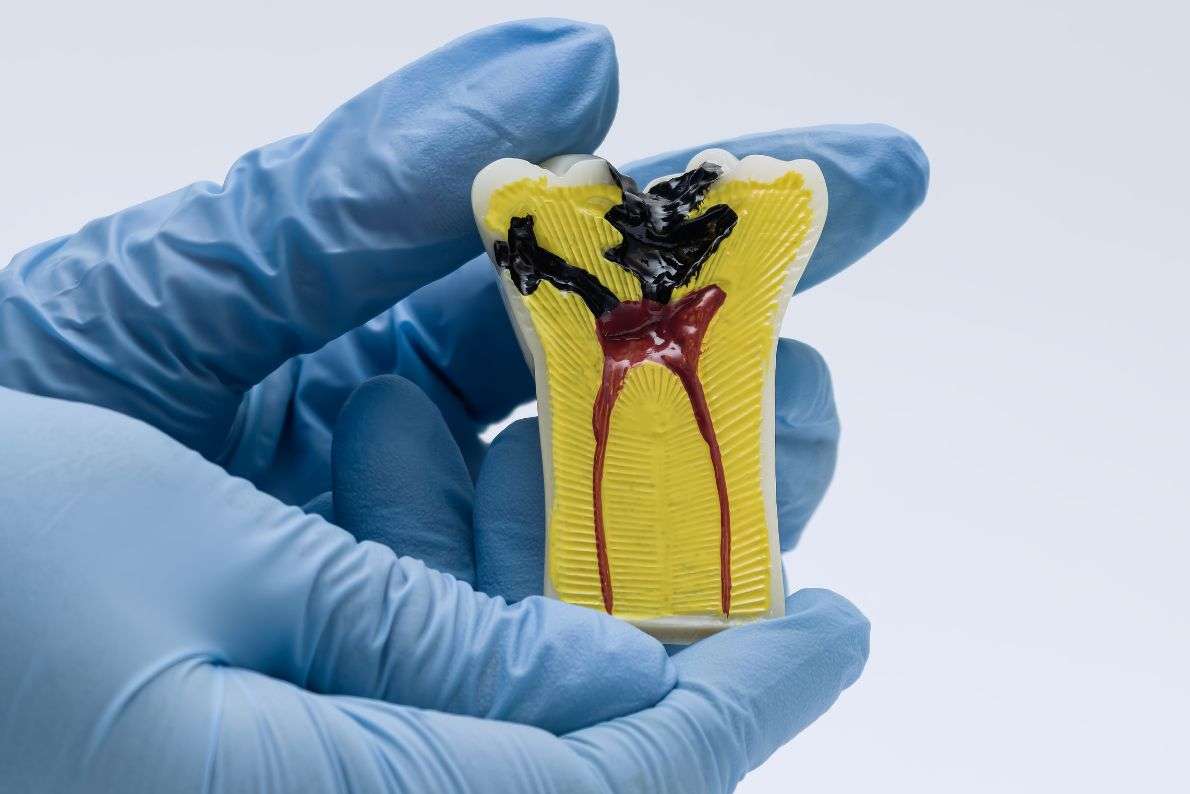
What to Expect from Root Canal at Your Edinburgh Dentist

What to Expect from Root Canal at Your Edinburgh Dentist

By Root Canal

There is a certain amount of anxiety that tends to accompany the words “root canal”, and much of it comes from simply not knowing what to expect. The reality for most patients is far more manageable than they anticipate. Root canal treatment is a well-established dental procedure carried out under local anaesthetic, and the majority of patients are pleasantly surprised at how straightforward it turns out to be.

Knowing what will happen at each stage — from your first consultation through to recovery — makes the experience considerably less daunting. This guide takes you through the whole process of root canal treatment at a dental practice in Edinburgh, so you know exactly what to expect from the moment you book your appointment.

Before Your Appointment

If you are experiencing tooth pain, prolonged sensitivity to hot or cold, swelling in the gum, or a persistent ache in your jaw, these may be signs that the pulp inside your tooth has become infected. Your dentist will usually identify the need for root canal treatment during an examination — sometimes routine, sometimes prompted by symptoms you have reported.

Before treatment begins, your dentist will take X-rays of the affected tooth and the surrounding bone. These images help determine how many root canals the tooth has, how they are shaped, and whether the infection has spread beyond the tooth itself. This planning stage is important — it allows your dentist to anticipate any complexities and ensure the procedure is carried out as efficiently as possible.

You do not need to do anything special to prepare for root canal treatment. You can eat and drink normally beforehand, though some patients prefer to avoid a large meal immediately before the appointment in case they feel apprehensive. It is a good idea to take any regularly prescribed medication as normal unless your dentist advises otherwise.

Arriving for Your Appointment

What to Expect from Root Canal at Your Edinburgh Dentist - Essential Dental CareWhen you arrive, your dentist will review your X-rays and confirm the treatment plan with you. This is a good opportunity to ask any questions you have and to mention any anxieties or concerns. A good dentist will ensure you feel fully informed and comfortable before proceeding.

If you have dental anxiety, it is worth letting the practice know when you book your appointment. This allows them to arrange extra time if needed and to discuss options for making the experience more comfortable, whether that is simply taking things at a slower pace or considering additional sedation options.

The Procedure: Step by Step

Anaesthetic

The first thing your dentist will do is administer a local anaesthetic to numb the tooth and the surrounding gum and bone. The injection itself may cause a brief stinging sensation, but within a few minutes the area will be completely numb. Your dentist will check that you cannot feel any sharp sensations before proceeding.

Rubber Dam Placement

A thin rubber sheet called a dental dam is secured around the tooth being treated. This keeps the area dry and clean throughout the procedure, prevents any debris from falling into your mouth or throat, and ensures the irrigating solutions used to disinfect the canals stay exactly where they are needed.

Opening the Tooth

Using a dental drill, your dentist will make a small opening through the crown of the tooth to gain access to the pulp chamber below. For front teeth, this opening is usually made at the back; for molars and premolars, it is made through the biting surface.

Removing the Pulp

Thin, flexible instruments are used to carefully remove the infected or inflamed pulp from the pulp chamber and root canals. The canals are then shaped using progressively larger files to ensure they can be thoroughly cleaned and filled.

Irrigating and Disinfecting

Throughout the cleaning process, the canals are flushed with antibacterial solutions — commonly sodium hypochlorite — to remove any remaining debris and bacteria. This is a critical stage in ensuring the infection does not return.

Filling the Canals

Once the canals are clean and shaped, they are dried and filled with a biocompatible rubber material called gutta-percha. This is compacted into the canals and sealed with dental cement to prevent bacteria from re-entering.

Temporary or Permanent Restoration

At the end of the appointment, the opening in the tooth is closed with either a temporary or permanent filling. If further appointments are needed — for example, to allow time for antibiotics to take effect or for a crown to be prepared — a temporary filling is placed. The tooth should be protected with a permanent restoration, usually a crown, before too long.

What You Might Feel During Treatment

Under local anaesthetic, you should not feel any sharp pain during the procedure. What you will likely experience includes:

  • A sense of pressure or movement as instruments work inside the tooth
  • Vibration from certain instruments
  • A slight taste from the irrigating solutions (the rubber dam minimises this)
  • Jaw tiredness from keeping your mouth open, particularly for longer appointments

At any point during the procedure, if you experience discomfort, you can signal to your dentist to stop. Do not feel you need to endure any pain — more anaesthetic can be given if required.

After Your Appointment: What to Expect

Once the anaesthetic wears off — usually within a few hours — you may notice some tenderness around the treated tooth and in the surrounding gum. This is completely normal and is a response to the work carried out inside the tooth. It typically settles within two to four days.

Over-the-counter pain relief such as paracetamol or ibuprofen is usually sufficient to keep any post-treatment discomfort manageable. The NHS recommends avoiding biting hard foods on the treated tooth until it is fully restored, and continuing to brush and clean around it as normal.

After-Treatment Care at a Glance

TimeframeWhat to ExpectWhat to Do
First few hoursNumbness in the treated areaAvoid hot food and drinks until sensation returns
24 – 48 hoursTenderness around the tooth and gumTake paracetamol or ibuprofen as needed
2 – 4 daysGradual reduction in sorenessAvoid chewing on the treated tooth
1 – 2 weeksTooth should feel settledAttend follow-up for crown fitting
Long-termTooth fully functional with crown in placeMaintain normal oral hygiene routine

When to Contact Your Dentist After Treatment

Most post-treatment discomfort is mild and short-lived. However, you should contact your dentist if:

  • Pain is severe or worsening rather than improving
  • Swelling develops in the face, jaw, or neck
  • You develop a fever
  • The temporary filling falls out before your next appointment
  • You notice any visible signs of infection, such as a swollen or discharging gum

Getting Your Crown Fitted

Root canal treatment leaves the tooth structurally sound but more vulnerable to fracture than a tooth with its pulp intact. For this reason, your dentist will recommend having a crown fitted over the treated tooth. This protects it from cracking and restores it to full function. The crown appointment is typically straightforward and is carried out a few weeks after the root canal itself.

At Essential Dental Care, we make it our priority to ensure every patient feels informed, comfortable, and well looked after throughout their root canal treatment. From your initial consultation to your final crown fitting, our Edinburgh team is with you at every stage. To book an appointment or ask any questions, call us on 0131 229 1806 — we would be glad to help.

How to Prepare for Your Root Canal Appointment

How to Prepare for Your Root Canal Appointment

By Root Canal

Having a tooth that needs root canal treatment can feel daunting, particularly if you have never had the procedure before. The good news is that with the right preparation, your appointment can go smoothly, and the treatment itself is far more comfortable than most people expect. Knowing what to do in the days and hours beforehand makes a real difference to how relaxed you feel when you sit in the dental chair.

Modern root canal treatment is carried out under local anaesthetic, which means you should feel no pain during the procedure itself. According to the NHS, the treatment should be no more unpleasant than having an ordinary filling. That said, a little preparation goes a long way towards making the experience as comfortable as possible.

Eat a Proper Meal Beforehand

One of the most practical things you can do is eat a nutritious meal before your appointment. Once the local anaesthetic is in place, your mouth will be numb for several hours afterwards, making it awkward and potentially unsafe to eat. If you have eaten well beforehand, you will not need to worry about hunger while your mouth recovers. Avoid eating immediately before the appointment, as this can cause discomfort if you are feeling nervous, but do not skip meals entirely.

Steer clear of very hard or crunchy foods in the days leading up to treatment if the tooth is already sensitive. Softer foods will cause less irritation and reduce any existing discomfort before your dentist addresses the infection directly.

Take Any Prescribed or Recommended Medication

If your dentist has prescribed antibiotics ahead of your appointment, it is essential that you complete the full course as directed. Antibiotics help to reduce active infection and inflammation, which can make the anaesthetic more effective on the day. A severe infection in the area can sometimes make it harder for local anaesthetic to work at its best, so managing infection beforehand helps considerably.

If you are taking any regular medications, continue taking them as normal unless your dentist advises otherwise. Let your dental team know about any medicines you are currently taking, including over-the-counter remedies and supplements, as some can affect treatment or your recovery.

Avoid Alcohol Before Your Appointment

It is advisable to avoid alcohol for at least 24 hours before your appointment. Alcohol can thin the blood, which may affect healing, and it can also interact with the local anaesthetic or any post-treatment pain relief you may need. Arriving for a dental procedure without alcohol in your system also means you will be clearer-headed and better able to follow the aftercare instructions your dentist gives you.

Get a Good Night’s Sleep

Anxiety about dental appointments is extremely common, but tiredness can make nerves feel worse. Aim for a full night’s sleep before your root canal appointment. If you find it difficult to wind down, consider avoiding screens for an hour before bed, and try some gentle breathing exercises or a warm bath. A well-rested body copes better with dental procedures and recovers more efficiently afterwards.

Arrange Transport if Needed

While you will be awake throughout your root canal appointment — it is performed under local anaesthetic, not general anaesthetic — the numbness in your jaw and mouth can linger for a few hours. This does not usually prevent you from driving, but if you are feeling anxious or your appointment is lengthy, you might prefer to arrange a lift home. This also means you can focus on relaxing rather than worrying about parking or bus schedules.

What to Bring and Wear

Wear comfortable, loose clothing to your appointment. You will be reclined in the dental chair for potentially an hour or more, so being physically comfortable helps. Bring a list of your current medications and any medical history information your dentist may need. If you have dental anxiety, let the receptionist know when you arrive so the team can offer additional reassurance.

What Happens on the Day

When you arrive, your dentist will review your X-rays and confirm the treatment plan. The procedure typically follows these stages:

StageWhat HappensApproximate Duration
Local anaestheticInjected around the affected tooth to numb the area fully5–10 minutes
Access openingDentist drills through the crown to reach the pulp chamber10–15 minutes
Pulp removal & cleaningInfected or damaged pulp removed; canals cleaned and shaped30–60 minutes
Filling the canalsCanals filled with gutta-percha and sealed15–20 minutes
Temporary or permanent restorationCrown or filling placed to restore function15–30 minutes

In some cases, the treatment may be spread across two appointments, particularly if the infection is significant. Your dentist will explain what to expect before you begin.

Managing Pre-Appointment Anxiety

Dental anxiety is one of the main reasons people delay seeking treatment, which can allow infections to worsen. If you are feeling anxious, speak to your dentist openly. Many practices use gentle techniques to help nervous patients, including explaining each step before it happens, offering short breaks, or discussing sedation options where appropriate.

Remind yourself that the discomfort you may have been experiencing from the infected tooth is usually far worse than the treatment itself. Root canal procedures are specifically designed to relieve that pain, not to cause it.

Immediately After Your Appointment

Once treatment is complete, the numbness will take a few hours to wear off. Avoid eating on the treated side until the anaesthetic has fully subsided, and stick to soft foods for the first day or two. You may experience some mild soreness around the tooth and jaw, which is entirely normal and can be managed with over-the-counter painkillers such as paracetamol or ibuprofen.

Keep the area clean by brushing gently and continuing your usual oral hygiene routine, but be careful around the treated tooth until any sensitivity settles. Your dentist will schedule a follow-up to check on healing and, if required, to fit a permanent crown over the tooth.

Why Good Preparation Matters

Taking the time to prepare properly for your root canal appointment sets you up for a calmer, more comfortable experience. Patients who arrive well-rested, well-fed, and informed tend to find the procedure significantly easier to manage. Root canal treatment is one of the most effective ways to save a tooth that would otherwise need extracting, and with the right preparation, it is a procedure that can be completed with minimal disruption to your day.

At Essential Dental Care, we take great care to ensure every patient feels informed and at ease before their treatment begins. If you have questions about preparing for your appointment, our team is happy to talk you through every step. Give us a call on 0131 229 1806 and we will make sure you feel confident and ready for your root canal treatment with us.

Is Root Canal Painful? What Edinburgh Patients Say

Is Root Canal Painful?

By Root Canal

Root canal treatment has an undeserved reputation for being one of the most painful things a person can experience at the dentist. Talk to patients who have actually been through the procedure, however, and a very different picture emerges. The discomfort people associate with root canal treatment is almost always the toothache that precedes it — not the treatment itself. Once modern anaesthesia takes effect, most patients report feeling little more than pressure during the procedure.

Edinburgh patients who have undergone root canal treatment frequently describe their surprise at how straightforward it turned out to be. Many had put off seeking help for weeks or even months, dreading what they imagined would be an ordeal. In reality, root canal treatment is designed specifically to relieve the severe, throbbing pain caused by dental infection — not to cause more of it. The sooner treatment begins, the sooner that pain is resolved.

Why Root Canal Has Such a Fearsome Reputation

The reputation largely stems from outdated experiences or second-hand accounts passed down through generations. Decades ago, anaesthetic techniques and dental instruments were far less refined than they are today. A procedure that may have been genuinely uncomfortable in the past has been transformed by advances in equipment, materials, and technique.

Another factor is the internet. People are far more likely to post about a bad experience than an unremarkable one, so online accounts skew heavily towards the dramatic. In clinical practice, the vast majority of root canal procedures are completed without significant distress. Patients who attend expecting the worst are often the most pleasantly surprised.

What Patients in Edinburgh Actually Report

Patients commonly describe the procedure in terms of sensations rather than pain. The most frequently reported experience is a feeling of pressure or vibration as the dentist works, particularly during the cleaning and shaping of the root canals. Some patients feel intermittent twinges if a canal is particularly curved or if the infection is extensive, but these are usually brief and manageable.

A recurring theme is relief — both during and after treatment. For patients who have been living with an abscessed or severely infected tooth, the numbness provided by the local anaesthetic brings its own welcome respite. The pain that had kept them awake at night disappears as the infected tissue is removed.

Common patient descriptions include:

  • “I barely felt a thing once the injection took effect.”
  • “It was no worse than having a filling done.”
  • “I was so worried beforehand, but it was completely fine.”
  • “The toothache beforehand was ten times worse than the treatment.”
  • “I wished I had gone sooner instead of putting it off.”

How Local Anaesthetic Makes the Difference

Local anaesthetic is the cornerstone of comfortable root canal treatment. It numbs not just the tooth itself but the surrounding gum and bone tissue, ensuring that the patient feels no pain during the procedure. The anaesthetic injection itself may cause a brief stinging sensation, but this passes within seconds and is far less uncomfortable than many people anticipate.

In cases where a tooth is heavily infected, the acidity of the infected tissue can sometimes reduce the initial effectiveness of the anaesthetic. An experienced dentist will recognise this and allow more time for the anaesthetic to work, or will use supplementary techniques to ensure complete numbness before proceeding. Patient comfort is always the priority.

According to NHS guidance on root canal treatment, the procedure is carried out under local anaesthetic and the patient should not feel any pain during the treatment itself. Any soreness afterwards is typically mild and responds well to over-the-counter pain relief such as paracetamol or ibuprofen.

What to Expect During the Procedure

Understanding what will happen during treatment can go a long way towards reducing anxiety. The procedure generally follows a predictable sequence, though the precise details will vary depending on the tooth and the extent of the infection.

StageWhat HappensWhat You Feel
AnaestheticLocal anaesthetic injected into gum around the toothBrief sting, then numbness
Rubber dam placementA thin sheet isolates the tooth and keeps it drySlight pressure, nothing painful
Access openingDentist drills through the crown to reach the pulpVibration and pressure, no pain
Canal cleaningInfected pulp removed; canals shaped with small filesPressure; occasional mild twinge in complex cases
IrrigationCanals flushed with disinfectant solutionLittle to nothing felt
Filling and sealingCanals filled with gutta-percha; tooth sealed or crownedPressure only

Pain After Root Canal Treatment

It is entirely normal to experience some tenderness in the treated tooth and surrounding gum for a few days after the procedure. This is the body’s natural inflammatory response and is not a sign that anything has gone wrong. The tooth may feel slightly sensitive when biting down, and the gum around it may be a little tender to touch.

This post-treatment soreness is almost always mild and short-lived. Most patients find it well-controlled with standard over-the-counter pain relief. Within a week, the vast majority of patients report that the treated area feels completely normal.

Severe pain after root canal treatment is uncommon. If it does occur, it is worth contacting the dental practice, as it may indicate that a further appointment is needed to address residual infection or to adjust the bite on the treated tooth.

The Role of Modern Technique in Reducing Discomfort

Beyond anaesthesia, the techniques and instruments available to dentists today have made root canal treatment considerably more comfortable than it once was. Rotary nickel-titanium files — flexible, electrically driven instruments — allow the dentist to clean and shape the root canals more efficiently and with less physical pressure on the tooth than older manual methods. The treatment takes less time, and the tooth experiences less stress during the procedure.

Digital X-rays and electronic apex locators allow the dentist to work with high precision, knowing exactly where the end of the root is. This reduces the risk of unnecessary discomfort caused by working too far within the canal. Rubber dam isolation keeps the area dry and clean, making the dentist’s work easier and reducing the patient’s experience of the procedure — there is no need to worry about rinsing out, holding your mouth open awkwardly, or tasting treatment materials.

Managing Dental Anxiety Before Treatment

Anxiety is understandable, particularly for patients who have not had root canal treatment before. There are practical steps that can help. Talking openly with your dentist about any concerns before the appointment means adjustments can be made — whether that involves explaining each stage as it happens, agreeing on a signal to pause if needed, or discussing whether additional sedation options might be appropriate.

Many patients find that deep breathing exercises or listening to music through headphones helps them stay calm during treatment. Bringing a trusted friend or family member to the appointment for moral support is also perfectly acceptable and can make a significant difference for anxious patients.

When People Say It Was Painful

In cases where patients do report significant pain during root canal treatment, there are usually identifiable reasons. The most common is that the anaesthetic was not fully effective before the dentist began — something that a good clinician will check carefully. Another is that the patient did not communicate their discomfort, either because they were too anxious to speak up or because they expected it to be normal. Always tell your dentist if you feel pain. Treatment can be paused and more anaesthetic given.

There is also the question of what people define as pain. Pressure, vibration, and the occasional twinge during a complex case are sensations that some patients describe as discomfort rather than pain, while others use the word pain for anything unpleasant. The actual subjective experience varies considerably from person to person.

At Essential Dental Care, we take patient comfort seriously at every stage of root canal treatment, from the initial anaesthetic to the final restoration. Our team works carefully to ensure each patient is fully numb before we begin, and we welcome questions and concerns throughout the appointment. If you have been putting off treatment because of worry about pain, call us on 0131 229 1806 — we are very happy to talk through what to expect and to make your visit as comfortable as possible.

Root Canal for Nervous Patients What You Need to Know - Essential Dental Care

Root Canal for Nervous Patients: What You Need to Know

By Root Canal

Dental anxiety is one of the most common reasons people delay or avoid treatment they genuinely need. Root canal treatment carries a particularly strong — and largely undeserved — reputation for being painful and frightening. The reality is that with modern techniques, effective local anaesthesia and a dentist who understands how to support nervous patients, root canal treatment is a manageable and often surprisingly straightforward procedure. The fear of what it involves is usually far worse than the treatment itself.

This article is for anyone who has been told they need root canal treatment and is feeling worried, reluctant or even considering avoiding it altogether. Understanding what happens during the procedure, how your anxiety can be accommodated and what options are available to make the experience more comfortable can make a significant difference to how you feel about attending your appointment.

Why Root Canal Treatment Has an Unfair Reputation

Root canal treatment became associated with pain largely because of how it was performed decades ago, before modern local anaesthesia techniques and precision instruments were available. Today’s root canal treatment, carried out with effective numbing, fine rotary instruments and a calm, patient-centred approach, is typically no more uncomfortable than having a standard filling placed.

It is also worth considering what happens if the treatment is avoided. The infection causing the need for root canal treatment is itself the source of pain. Toothache from an infected pulp — the constant, throbbing ache that keeps people awake at night — is far more distressing than the procedure that resolves it. Having the treatment removes that source of pain rather than creating a new one.

What Dental Anxiety Actually Involves

Root Canal for Nervous Patients What You Need to Know - Essential Dental CareDental anxiety exists on a spectrum, from mild nervousness to full dental phobia. Common triggers include fear of pain, loss of control, needles, the sounds and smells of a dental practice, or negative experiences in the past. For some patients, the anxiety is primarily about injections. For others, it is the feeling of being vulnerable in the dental chair. Understanding your own specific triggers helps your dentist adapt their approach accordingly.

NHS Inform Scotland offers practical guidance on coping with a fear of the dentist, including strategies such as controlled breathing, progressive muscle relaxation and communicating openly with your dental team. These techniques, combined with the support of an understanding dentist, can genuinely reduce the level of anxiety you experience.

How Your Dentist Can Help

Open Communication

The single most effective thing you can do is tell your dentist — before the appointment begins — that you are nervous. A good dental team will not dismiss your concerns or rush you. They will take time to explain each step before it happens, answer your questions honestly and let you set the pace. Knowing what to expect removes a great deal of uncertainty, which is itself a major source of anxiety.

Establishing a Stop Signal

An agreed stop signal — typically raising your hand — gives you back a sense of control during the procedure. Knowing you can pause at any moment if you feel uncomfortable is surprisingly powerful. Many nervous patients find that once they have this reassurance, they rarely need to use it. Control is closely tied to confidence.

Effective Local Anaesthesia

Modern local anaesthetics are highly effective, and ensuring you are fully numb before any treatment begins is a clinical priority, not an optional extra. For patients who are anxious about the injection itself, topical anaesthetic gel can be applied to the gum first, significantly reducing or eliminating the sensation of the needle. Your dentist can also deliver the anaesthetic slowly and gently, which makes the experience more comfortable.

If a tooth is severely infected and initial anaesthesia proves insufficient — which can happen in certain acute cases because infection alters tissue pH — your dentist has techniques to address this, including supplementary injections and intraligamentary anaesthesia. You will not be asked to proceed without adequate numbness.

Sedation Options

For patients with significant dental anxiety, sedation offers an effective way to undergo treatment in a deeply relaxed state. Inhalation sedation (commonly known as relative analgesia or “happy gas”) involves breathing a blend of nitrous oxide and oxygen through a small nose mask. It produces a calm, relaxed feeling within minutes, reduces anxiety markedly and wears off quickly after treatment. It is safe, well-tolerated and widely used for anxious patients.

Intravenous (IV) conscious sedation is available for patients with more significant anxiety. A sedative is administered through a small cannula in the arm, producing a deeply relaxed state in which many patients have little or no memory of the procedure. You remain conscious and able to respond, but your anxiety is essentially suspended. You will need someone to accompany you home afterwards, and you should not drive or operate machinery on the day.

What Actually Happens During Root Canal Treatment

Root Canal for Nervous Patients What You Need to Know - Essential Dental CareWalking through the procedure step by step can take away some of its mystery and make it feel less daunting.

  • Numbing: The area around the tooth is numbed thoroughly with local anaesthetic. You will feel pressure and movement but not pain.
  • Rubber dam placement: A small rubber sheet is placed around the tooth to isolate it and keep the area clean and dry. This also prevents any instruments or materials reaching your throat.
  • Access opening: A small opening is made through the top of the tooth to access the pulp chamber.
  • Canal cleaning: Fine rotary instruments are used to gently clean and shape the root canals, removing infected pulp tissue. You should feel no pain during this stage.
  • Irrigation: The canals are flushed with antibacterial solution to disinfect them thoroughly.
  • Filling: Once clean and dry, the canals are filled with a biocompatible material called gutta-percha and sealed.
  • Restoration: A temporary or permanent filling is placed, and a crown is usually recommended at a later appointment to protect the tooth.

The procedure typically takes between 60 and 90 minutes, though complex cases with multiple canals may require more than one appointment.

What to Expect After Treatment

Once the anaesthetic wears off, some tenderness or mild aching is normal for a few days. This is simply the surrounding tissues responding to the procedure and to the resolution of infection. Over-the-counter pain relief such as ibuprofen or paracetamol is usually sufficient to manage any post-treatment discomfort. Avoid chewing on the treated tooth until it has been fully restored with a crown.

Most patients are genuinely surprised by how manageable the treatment was compared to their expectations. The anxiety beforehand is almost always worse than the experience itself.

Preparing for Your Appointment

StrategyHow It Helps
Tell your dentist you are nervousAllows the team to adapt their approach and pace
Arrange the appointment for a less stressful timeReduces rushed feelings; morning appointments often work well
Bring headphones and musicBlocks out clinical sounds that trigger anxiety
Practise deep breathing beforehandLowers baseline anxiety before you arrive
Ask for a full explanation before treatment beginsReduces uncertainty and feeling of loss of control
Ask about sedation if anxiety is significantProvides a deeply relaxed state throughout treatment
Bring a trusted friend or family memberEmotional support before and after treatment

The Cost of Avoidance

For many anxious patients, the real danger is not the treatment itself but what happens when they avoid it. An infected tooth that is left untreated does not resolve on its own. The infection spreads, causing increasing pain, potential abscess formation and eventual tooth loss. The treatment required at that stage becomes more complex, not less. Avoiding root canal treatment out of fear can lead to a far more difficult situation further down the line.

At Essential Dental Care, we have extensive experience in supporting nervous patients through root canal treatment and other procedures. Our team understands that anxiety is real and takes it seriously — we adapt our approach for every patient who needs it. If you have been putting off treatment because of worry or fear, please do call us on 0131 229 1806. A short conversation with our team can often do a great deal to put your mind at ease before you even come through the door.

What Is Root Canal and Is It Right for You?

What Is Root Canal and Is It Right for You?

By Root Canal

Root canal treatment has a reputation that tends to precede it — often undeservedly. Many people have heard the phrase and associate it with something painful or to be avoided, when in reality the procedure is a highly effective way to save a tooth that would otherwise need to be removed. Root canal treatment is a routine dental procedure performed under local anaesthetic, and for most patients it is no more uncomfortable than having a filling.

Understanding what the treatment actually involves can go a long way towards easing any anxiety you might feel. In essence, root canal treatment is a process that removes infected or damaged tissue from inside your tooth, cleans the canals, and seals them to prevent further infection. The result is a tooth that is preserved, functional, and free from the pain caused by the underlying infection.

What Is the Root Canal?

What Is Root Canal and Is It Right for You - Essential Dental CareTo understand the treatment, it helps to first understand the anatomy of a tooth. Each tooth has a hard outer shell made up of enamel and dentine, but at its core lies a soft tissue called the pulp. This pulp contains nerves, blood vessels, and connective tissue. It runs from the crown of the tooth down through the roots — the narrow passages inside the roots are what we call root canals.

When you are young, the pulp plays a role in helping the tooth grow and develop. However, a fully developed adult tooth can survive without the pulp, because it continues to receive nourishment from the surrounding tissues. This is what makes root canal treatment possible — the pulp can be removed without compromising the long-term survival of the tooth itself.

When Is Root Canal Treatment Needed?

Root canal treatment becomes necessary when the pulp becomes infected or inflamed. This can happen for a number of reasons, including deep decay that has progressed through the enamel and dentine, repeated dental procedures on the same tooth, a crack or chip that allows bacteria to enter, or trauma to the tooth even when there is no visible damage.

The symptoms that often indicate you may need root canal treatment include:

  • Severe toothache, particularly when biting or applying pressure
  • Prolonged sensitivity to hot or cold temperatures even after the stimulus is removed
  • Darkening or discolouration of the tooth
  • Swelling or tenderness in the nearby gums
  • A persistent or recurring pimple on the gums

In some cases, there are no obvious symptoms at all, and an infection is only discovered through a routine X-ray. This is one of the many reasons why regular dental check-ups are so important.

How Is Root Canal Treatment Carried Out?

The procedure is typically completed over one or two appointments, depending on the complexity of the tooth and the extent of the infection. Your dentist will begin by taking X-rays to assess the shape of the root canals and look for signs of infection in the surrounding bone.

Local anaesthetic is administered to numb the tooth and surrounding area. A rubber dam is placed around the tooth to keep the area dry and prevent any debris or cleaning solutions from being swallowed. Your dentist will then make a small opening in the crown of the tooth to access the pulp chamber.

Using specially designed instruments, the infected or damaged pulp is carefully removed, and the canals are shaped and cleaned. An antibacterial solution is used to irrigate and disinfect the canals thoroughly. The cleaned canals are then filled with a biocompatible material called gutta-percha and sealed. A crown or other restoration is usually placed on top to protect and strengthen the tooth.

Is Root Canal Treatment Right for You?

Whether root canal treatment is the right option depends on the specific condition of your tooth. In many cases, it is the preferred choice over extraction, as it preserves the natural tooth. Keeping your natural teeth has significant benefits — it maintains your bite, prevents neighbouring teeth from drifting, and avoids the need for a bridge or implant to fill the gap.

However, there are situations where the extent of the damage or infection means the tooth cannot be saved and extraction becomes necessary. Your dentist will evaluate the tooth thoroughly and discuss all options with you before recommending a course of action.

Comparing Your Options

OptionWhat It InvolvesPreserves Natural Tooth?Typical Outcome
Root Canal TreatmentRemoval of infected pulp, cleaning, and sealingYesTooth saved and functional
Tooth ExtractionRemoval of the entire toothNoGap left unless replacement is fitted
Dental Implant (post-extraction)Artificial root with crown fittedNo (tooth already removed)Natural-looking replacement
Dental Bridge (post-extraction)Crowns on adjacent teeth supporting false toothNo (tooth already removed)Gap filled, but adjacent teeth affected

Is It Painful?

This is the question most patients ask. The short answer is: not during the procedure itself. Modern anaesthetics are highly effective, and the vast majority of patients report feeling little to no pain during root canal treatment. What you are likely to feel is pressure and movement, but not sharp pain.

Some tenderness and mild discomfort in the days following treatment is normal, particularly around the gum area. This can usually be managed with over-the-counter pain relief such as paracetamol or ibuprofen. According to the NHS, around 9 out of 10 root-treated teeth survive for 8 to 10 years, making it a highly successful long-term solution.

What Happens After Treatment?

Once the root canal is complete, the tooth will need a permanent restoration. In most cases, a crown is recommended to protect the tooth and restore its full function. Root-filled teeth can become more brittle over time, so the crown acts as an important safeguard.

Good oral hygiene remains essential after treatment. Brushing twice daily with fluoride toothpaste, using interdental brushes or floss, and attending regular check-ups will all help to ensure the tooth remains healthy for as long as possible.

How Long Does Recovery Take?

Most people are able to return to normal activities the same day or the day after their appointment. Any post-treatment soreness typically resolves within a few days. If you experience significant pain, swelling, or the symptoms return, contact your dentist promptly, as this may indicate that further treatment is needed.

It is worth noting that while root canal treatment has an excellent success rate, a small number of teeth may not respond as expected. In these cases, retreatment or referral to a specialist endodontist may be considered.

Addressing Common Misconceptions

One of the biggest barriers to seeking root canal treatment is the fear surrounding it. Much of this fear is based on outdated experiences or stories passed down from a time when dental techniques and anaesthesia were far less advanced. Today, the procedure is considerably more comfortable and efficient than it once was, with many patients surprised at how straightforward it turns out to be.

Another common misconception is that extracting the tooth is simpler or cheaper in the long run. In reality, replacing a missing tooth with an implant or bridge often costs more than preserving the natural tooth through root canal treatment. There are also functional and aesthetic benefits to keeping your own tooth wherever possible.

At Essential Dental Care, we take the time to explain exactly what is involved before any treatment begins, and we ensure our patients are comfortable throughout. If you are experiencing tooth pain or have been told you may need root canal treatment, we would be happy to assess your situation and discuss your options. Give us a call on 0131 229 1806 — we are here to help you keep your smile healthy for the long term.

How Much Does Root Canal Cost in Edinburgh?

How Much Does Root Canal Cost in Edinburgh?

By Root Canal

Tooth pain has a way of focusing the mind, and when it becomes clear that something more than a filling is needed, one of the first questions people ask is what treatment is likely to cost. The price of root canal treatment in Edinburgh varies depending on several factors, including which tooth is being treated, whether you are seen on the NHS or privately, and the complexity of your specific case. This guide breaks down what you can expect to pay and what influences those costs.

The good news is that root canal treatment is almost always more cost-effective in the long run than extracting the tooth and replacing it, particularly when you factor in the expense of an implant or bridge. Preserving your natural tooth is not only better for your overall oral health — it is typically the more economical choice over time.

NHS Root Canal Treatment Costs

Root canal treatment is available on the NHS, and if you are eligible for NHS dental care, it is covered under Band 2 charges. The NHS charges a fixed fee per band of treatment regardless of the number of procedures carried out within that band during a single course of treatment.

As of April 2024, Band 2 NHS dental treatment in England costs £73.50. This covers more complex procedures including root canal work, fillings, and tooth extractions — all carried out within the same course of treatment. In Scotland, dental charges for NHS patients differ, and some patients may qualify for free treatment. You can check your eligibility for help with NHS dental costs on the NHS Business Services Authority website.

It is worth being aware that NHS dental practices in Edinburgh — as in many parts of the UK — are often fully registered with existing patients and may not be accepting new NHS patients. If you cannot access NHS treatment, private dental care is the next option.

Private Root Canal Treatment Costs in Edinburgh

Private root canal fees in Edinburgh typically range from around £300 to £700 or more, depending on the tooth being treated. Front teeth, which have a single root canal, are generally less complex and therefore less expensive to treat. Back teeth — particularly molars — have multiple root canals and require more time and skill, which is reflected in a higher fee.

Specialist endodontists, who focus exclusively on root canal procedures, often charge more than a general dentist. However, for particularly complex or retreatment cases, a referral to a specialist may produce the best outcome.

What Affects the Cost of Root Canal Treatment?

Several variables influence the final fee you will pay:

  • Which tooth is involved: Molars and premolars with multiple roots cost more to treat than single-rooted front teeth.
  • Number of root canals: More canals mean longer treatment time and greater complexity.
  • Extent of infection: Severe or long-standing infections may require additional appointments or adjunctive treatments.
  • Need for retreatment: If a previously root-filled tooth develops new problems, retreatment is typically more involved than the original procedure.
  • Type of final restoration: A crown placed after the root canal is an additional cost but is usually recommended to protect the tooth long-term.
  • Referral to specialist: Specialist endodontists charge higher fees reflecting their advanced training and equipment.

Cost Comparison: Root Canal vs. Tooth Removal and Replacement

Treatment PathApproximate Private CostPreserves Natural Tooth?
Root canal treatment + crown£500 – £1,100+Yes
Tooth extraction alone£100 – £250No (gap left)
Extraction + dental implant + crown£2,000 – £3,500+Replaced with artificial tooth
Extraction + dental bridge£800 – £2,000+Replaced but adjacent teeth involved

As the table above illustrates, the upfront cost of root canal treatment combined with a crown can appear substantial, but when compared to the long-term cost of tooth replacement — particularly a dental implant — it is often the more affordable route. It also spares you from the functional and aesthetic challenges of living with a missing tooth or relying on a bridge.

Does Dental Insurance Cover Root Canal Treatment?

Some dental insurance plans do cover root canal treatment, either fully or in part. Coverage varies considerably between policies, so it is important to check the details of your plan before treatment begins. Many policies have waiting periods, annual limits, and exclusions for pre-existing conditions, so being aware of what your plan includes can help avoid unexpected costs.

If you do not have dental insurance, some practices offer payment plans or interest-free credit arrangements that allow you to spread the cost of treatment.

Why Getting Prompt Treatment Saves Money

One of the most common reasons root canal treatment becomes more expensive is delayed care. An infection that might have been straightforward to treat at an early stage can become more complex — and costly — if left untreated. The infection can spread, affect surrounding teeth or bone, and may ultimately lead to the tooth being unrestorable, meaning extraction becomes unavoidable.

Regular dental check-ups are the best way to catch problems early, when they are simpler and less expensive to address. If you are already experiencing tooth pain or sensitivity, seeking advice sooner rather than later is always the better financial decision.

What Is Included in the Fee?

It is worth asking your dentist exactly what is included in the quoted fee for root canal treatment. At most practices, the fee will cover the X-rays, the procedure itself across however many appointments are needed, and the temporary filling placed at the end of each session. The cost of a permanent crown is usually quoted separately and will depend on the type of crown selected.

Some practices also include a follow-up review appointment within the original fee, while others charge for this separately. Transparency around fees is important, and a reputable practice should be happy to provide a clear written treatment plan with costs before you commit to anything.

Is It Worth the Cost?

For most patients, the answer is yes. Root canal treatment allows you to keep your natural tooth, which functions better and lasts longer than any artificial replacement. The success rate is high — the NHS reports that approximately 9 out of 10 treated teeth survive for 8 to 10 years — and with proper care, many last a lifetime.

Beyond the clinical outcome, there is the practical value of avoiding gaps in your smile, maintaining your bite, and not subjecting adjacent healthy teeth to the preparation involved in fitting a bridge.

At Essential Dental Care, we provide clear, itemised treatment plans so you always know exactly what you are paying for and why. If you have a painful tooth and are wondering whether root canal treatment is the right option for you, call us on 0131 229 1806 and we will be happy to arrange a consultation to assess your tooth and talk you through the costs involved.

How Long Does Root Canal Last? What to Expect

How Long Does Root Canal Last? What to Expect

By Root Canal

One of the most practical questions patients ask before committing to root canal treatment is how long the results will actually last. It is a fair question — the procedure takes time, requires follow-up care, and is an investment in preserving a natural tooth. Understanding the longevity of the treatment and the factors that affect it will help you make an informed decision and get the most from the procedure long-term.

The short answer is that root canal treatment can last a lifetime when performed well and followed up with appropriate restoration and oral hygiene. According to the NHS, around 9 out of 10 root-treated teeth survive for 8 to 10 years, and many treated teeth go on to last considerably longer than that with the right care.

What Determines How Long a Root Canal Lasts?

Several factors influence the long-term success of root canal treatment. Understanding these can help you take steps to protect your tooth as effectively as possible.

Quality of the Initial Treatment

The skill and precision with which the canals are cleaned, shaped, and sealed plays a major role in durability. Poorly cleaned canals can harbour residual bacteria, which may lead to reinfection over time. Modern techniques, including the use of specialised instruments and high-resolution imaging, have significantly improved the thoroughness of canal preparation.

Type of Tooth

The position of the tooth in the mouth matters. Front teeth (incisors and canines) have a single root canal and are subject to less biting force, which generally gives them a higher long-term survival rate after root canal treatment. Back teeth (premolars and molars) have multiple canals and bear the greatest load during chewing, making them more susceptible to fracture if not properly protected with a crown.

Whether a Crown Is Placed

This is perhaps the single most important factor after the treatment itself. Root-treated teeth lose their internal blood supply and become more brittle over time. Without a crown, a root-treated molar or premolar is at significant risk of cracking under the pressure of everyday use. Crowns distribute biting forces evenly and protect the underlying tooth structure, dramatically extending its functional lifespan.

Ongoing Oral Hygiene

A root-treated tooth can still develop decay around the edges of the filling or crown if oral hygiene is poor. While the inner pulp is gone, the outer tooth structure can still be damaged by plaque and acid. Regular brushing, flossing, and interdental cleaning remain just as important after root canal treatment as before.

Regular Dental Check-Ups

Attending regular dental appointments allows your dentist to monitor the treated tooth on X-ray, check the integrity of the crown or filling, and detect any early signs of reinfection or structural problems before they become serious. Many issues caught early can be resolved with relatively straightforward intervention.

What Can Cause a Root-Treated Tooth to Fail?

Root canal treatment has a strong success rate, but failure can occur in a minority of cases. The most common reasons include:

  • Reinfection — Bacteria entering through a cracked filling, crown, or new decay can reinfect the sealed canals
  • Tooth fracture — Particularly in back teeth that have not been crowned
  • Missed canals — Some teeth have complex anatomy with additional or curved canals that may be difficult to detect and treat
  • Breakdown of the root filling seal — Over many years, the sealing material can degrade
  • Persistent infection — In some cases, infection persists despite treatment, particularly in teeth with complex root anatomy

Signs That a Root-Treated Tooth May Be Failing

Most people with a successful root canal will have no symptoms at all — the treated tooth simply functions quietly in the background. However, the following signs warrant a visit to your dentist promptly:

  • Returning pain or aching around the treated tooth
  • Swelling in the gum near the tooth
  • A small pimple-like lump on the gum (which may indicate a dental abscess)
  • Darkening or discolouration of the tooth
  • Sensitivity to pressure when biting

Can a Failed Root Canal Be Re-Treated?

In many cases, yes. If a previously treated tooth becomes reinfected, it is often possible to perform retreatment — removing the old root filling, re-cleaning the canals, and resealing them. This can extend the life of the tooth further. In situations where retreatment is not viable, a minor surgical procedure called an apicoectomy may be recommended, which involves removing the tip of the root and sealing it from the end.

How Long Does the Procedure Take to Heal?

Initial healing after root canal treatment typically takes a few days to a couple of weeks. During this time, some sensitivity or mild soreness around the tooth is normal and usually settles on its own. Full tissue healing at the apex of the root can take longer — sometimes several months — and your dentist may take follow-up X-rays to confirm that the area around the root tip is healing as expected.

Longevity at a Glance

FactorImpact on Longevity
Crown placementSignificantly extends lifespan, especially for back teeth
Oral hygienePrevents decay and protects the restoration
Regular check-upsAllows early detection of any issues
Tooth positionFront teeth generally last longer without a crown
Initial treatment qualityThorough canal cleaning reduces reinfection risk
Diet and lifestyleAvoiding grinding, hard foods protects the tooth

How to Maximise the Lifespan of Your Root-Treated Tooth

Once your root canal treatment is complete and a crown has been fitted, a few habits will go a long way towards keeping the tooth healthy for as long as possible. Brush twice daily with fluoride toothpaste and clean between teeth with floss or interdental brushes. Avoid using your teeth as tools — opening packaging, biting nails, or chewing extremely hard foods like ice or boiled sweets can crack even a crowned tooth. If you grind your teeth at night, speak to your dentist about a custom night guard, as bruxism places excessive force on all teeth, including those that have been root-treated.

Attend your scheduled dental check-ups and let your dentist know if you notice any changes in the treated tooth. Catching a potential issue early gives you the best chance of a straightforward resolution.

At Essential Dental Care, we carry out root canal treatment to a high standard and work closely with patients on the follow-up care that keeps treated teeth healthy for the long term. If you would like to find out more or book an assessment, call us on 0131 229 1806 — we are always happy to talk through your options and help you get the most from your treatment.

Root Canal vs Alternatives: Which Option Is Right for You?

Root Canal vs Alternatives: Which Option Is Right for You?

By Root Canal

When a tooth becomes severely infected or the pulp is irreversibly damaged, there are usually two main paths available: save the tooth with root canal treatment, or remove it. Beyond these two options, there are scenarios involving monitoring, temporary measures, or more advanced restorative work — but the core decision most patients face is whether to treat and keep the tooth or extract it. Both choices have real consequences for dental health, function, appearance, and cost over the long term.

Understanding the differences between root canal treatment and its alternatives requires looking at both the immediate situation and what happens years down the line. A decision that seems straightforward — extracting a painful tooth — can set off a chain of events affecting the rest of the mouth. Making an informed choice, ideally with proper guidance from a dentist, is always the better approach than acting purely on cost or fear.

Root Canal Treatment: What It Involves

Root canal treatment (also known as endodontic treatment) removes the infected or damaged pulp from inside the tooth, cleans and disinfects the root canal system, and then seals the tooth permanently. A crown is usually placed afterwards to protect the treated tooth from fracture, since the tooth becomes more brittle once the pulp is removed.

The procedure is carried out under local anaesthetic and is significantly less painful than most patients anticipate. Treatment typically requires two appointments for straightforward cases, though complex teeth with multiple roots may require additional visits. The resulting tooth looks and functions normally, and with good care can remain in place for many years.

Tooth Extraction: The Alternative

Extracting the tooth removes the source of infection quickly and, in many cases, is less expensive upfront than root canal treatment plus a crown. For teeth that are severely broken down, have poor bone support, or are judged to have a poor long-term prognosis even after treatment, extraction may genuinely be the most sensible option.

However, extraction is not simply the end of the story. Removing a tooth leaves a gap, and that gap has consequences. Adjacent teeth gradually drift into the space over time, and the tooth in the opposing jaw may begin to over-erupt as it loses its counterpart. These changes can affect the bite, create cleaning difficulties, and increase the risk of decay and gum problems in the surrounding teeth.

Replacing an Extracted Tooth

For most patients, leaving a visible gap — particularly towards the front of the mouth — is not a long-term option. Replacing an extracted tooth involves one of three main approaches:

  • Dental implant: A titanium post placed into the jawbone, topped with a crown. The closest replacement to a natural tooth in terms of function and appearance, but the most expensive option and requires surgery.
  • Dental bridge: A false tooth held in place by crowns fitted over the adjacent teeth. Less expensive than an implant but requires healthy neighbouring teeth to be prepared (drilled down), which causes permanent alteration.
  • Partial denture: A removable appliance. The most affordable replacement option but the least comfortable and functional of the three.

When the cost and complexity of tooth replacement is factored in, root canal treatment followed by a crown often compares favourably with extraction and implant replacement.

Comparing the Options Side by Side

FactorRoot Canal + CrownExtraction OnlyExtraction + Implant
Natural tooth retained?YesNoNo
Bone preservationYes — tooth root maintains boneBone shrinks over timeImplant preserves bone well
Impact on adjacent teethNoneDrift and over-eruption riskNone if replaced promptly
Number of procedures2-3 (root canal, restoration)13+ (extraction, implant, crown)
Treatment durationWeeksOne appointmentSeveral months
Relative costModerateLow (without replacement)High
Long-term success~90% survive 8-10 yearsN/A — tooth is goneHigh if integrated well

When Is Root Canal the Right Choice?

Root canal treatment is usually the preferred option when the tooth still has a good structural foundation, when there is sufficient bone supporting the root, and when the patient wants to preserve their natural tooth. Natural teeth generally provide better chewing efficiency than any artificial replacement, and maintaining them avoids the cascade of problems that can follow extraction.

According to NHS guidance on root canal treatment, the procedure is usually successful at saving the tooth and clearing the infection. Around 9 out of 10 root-treated teeth survive for 8 to 10 years, which underlines that this is a reliable, well-established treatment with a strong track record.

When Extraction May Be More Appropriate

There are circumstances in which extraction is genuinely the better clinical recommendation. These include situations where the tooth is so severely broken down that there is not enough structure to retain a crown, where the tooth has a vertical root fracture (which cannot be treated with root canal), where bone loss around the root is extensive, or where the tooth is a wisdom tooth that is difficult to access and has limited functional value.

A dentist should always explain the reasoning behind a recommendation to extract rather than treat. If you are unsure, it is reasonable to ask for a second opinion before agreeing to extraction.

Doing Nothing: Is It an Option?

Some patients hope that a painful tooth will settle down on its own, or that antibiotics alone will resolve the problem. In reality, once the dental pulp has become irreversibly inflamed or infected, neither rest nor antibiotics will cure the underlying problem. Antibiotics may reduce swelling and provide temporary relief, but the infection will return and may spread to the surrounding bone and into the jaw or neck in severe cases. Delay generally makes the situation worse and may reduce the chances of saving the tooth.

What About Monitoring Without Treatment?

In a small number of situations, a dentist may suggest a period of monitoring before committing to a specific course of action — for example, if the diagnosis is not yet certain and the tooth needs to be observed over several weeks to see how it responds. This is different from indefinitely delaying treatment on a tooth that has a confirmed infection.

Monitoring is not appropriate as a long-term strategy for an infected tooth. Unlike some health conditions that can resolve on their own, a dental pulp infection will not clear without intervention. The longer treatment is postponed, the more the infection can progress, and in some cases what might have been a straightforward root canal becomes a more complex procedure — or the tooth is lost entirely because it has been damaged beyond the point at which it can be saved.

The Role of Antibiotics

Antibiotics are sometimes prescribed alongside root canal treatment or before it, particularly when there is significant swelling or signs that the infection is spreading. They are useful for managing acute infection in the short term, but they are not a substitute for treating the underlying problem inside the tooth. The bacteria that cause pulp infection live within the root canal system, where antibiotics cannot reach effectively. Once the antibiotic course ends, the infection returns if the tooth has not been treated.

Patients should be cautious about seeking repeated prescriptions for antibiotics as a way of managing dental pain without committing to definitive treatment. Beyond the futility of this approach in the long run, unnecessary antibiotic use contributes to the broader public health problem of antibiotic resistance. The right solution is addressing the infected tooth directly.

Making the Right Decision for Your Situation

The best choice between root canal treatment and extraction depends on the specific condition of the tooth, your overall dental health, your budget, and your priorities. There is no single correct answer for everyone, but the default recommendation from most dental guidelines is to preserve the natural tooth where possible. Natural teeth are irreplaceable in the truest sense — no prosthetic replacement fully replicates all the properties of a healthy natural tooth.

At Essential Dental Care, we take time to explain all available options clearly and honestly, so our patients can make informed decisions they feel confident about. Whether root canal treatment is the right option for you depends on a proper clinical assessment, and we are always happy to discuss this. Call us on 0131 229 1806 to arrange an appointment, and let us help you work out the best way forward for your dental health.

Who Is a Good Candidate for Root Canal?

Who Is a Good Candidate for Root Canal?

By Root Canal

Root canal treatment is one of the most effective ways to save a tooth that has become severely infected or damaged, but it is not the right solution for every patient or every tooth. Understanding who makes a suitable candidate for root canal treatment helps patients approach dental appointments with a clearer picture of what their dentist may recommend and why.

The procedure works by removing the infected or inflamed pulp from inside the tooth, cleaning and disinfecting the root canals, and sealing them to prevent further infection. Root canal treatment, according to the NHS, is not painful and can save a tooth that might otherwise have to be removed completely.

The Main Indicators That Root Canal May Be Needed

Root canal treatment is typically recommended when the pulp — the soft tissue containing nerves and blood vessels inside the tooth — has become infected or irreversibly inflamed. This can happen for several reasons:

  • Deep tooth decay that has reached the pulp chamber
  • A cracked or chipped tooth that has exposed the inner pulp to bacteria
  • Trauma or injury to the tooth, even if there is no visible external crack
  • A leaking or broken filling that has allowed bacteria to reach the pulp over time
  • Repeated dental procedures on the same tooth, which can irritate and eventually damage the pulp
  • A dental abscess — a pus-filled pocket caused by bacterial infection at the root tip

Symptoms that may indicate pulp infection include persistent or severe toothache, prolonged sensitivity to heat or cold, pain when biting or chewing, swelling in the gum near the tooth, or a recurring pimple-like spot on the gum. Some infected teeth, however, cause no obvious symptoms at all and are only detected on a routine X-ray — which is one of the reasons regular dental check-ups are so important.

Who Tends to Be a Good Candidate?

A good candidate for root canal treatment is someone whose tooth has a damaged or infected pulp but whose root and surrounding bone structure are sound enough to support the tooth after treatment. The key considerations include:

The Tooth Is Restorable

The most important criterion is whether the tooth can be adequately restored after treatment. This usually means placing a crown, particularly for back teeth that bear significant biting load. If the tooth structure above the gum line is too severely broken down to support a restoration, root canal treatment may not be viable and extraction may be a more appropriate course of action.

Adequate Bone Support

For a root-treated tooth to function long-term, the surrounding bone and periodontal tissues need to be healthy enough to hold the tooth in place. Advanced gum disease that has caused significant bone loss around the tooth may reduce its long-term prognosis, even after successful root canal treatment. Your dentist will assess this as part of the overall evaluation.

The Root Canals Are Accessible

Some teeth have particularly complex root anatomy — multiple canals, very curved roots, or canals that are calcified (narrowed with calcium deposits over time). While modern techniques and instruments can address many complex cases, highly calcified or severely curved canals may present challenges. Your dentist will assess the tooth on X-ray to determine whether treatment is technically feasible.

The Patient Is in Reasonable General Health

Root canal treatment is a routine dental procedure and is suitable for most adults. However, certain medical conditions may affect candidacy. Patients who are immunocompromised, have poorly controlled diabetes, or are undergoing chemotherapy or radiotherapy to the head and neck region may require special consideration and close communication between dental and medical teams. Always inform your dentist of your full medical history and any medications you are taking.

Age and Root Canal Treatment

Root canal treatment is not limited by age. Adults of all ages are candidates provided the tooth is restorable and the surrounding tissues are in good condition. In younger patients, particularly children and teenagers, the pulp is more actively involved in tooth development, so different approaches — such as pulp capping or pulpotomy — may be considered in some cases to preserve as much vitality as possible.

When Is Extraction a Better Option?

There are circumstances in which tooth extraction is a more appropriate recommendation than root canal treatment. These include:

SituationReason Extraction May Be Preferred
Severely fractured rootRoot cannot be effectively sealed or restored
Advanced bone loss around the toothInsufficient support for long-term function
Heavily broken-down crownNot enough tooth structure to place a restoration
Persistent infection after retreatmentInfection cannot be resolved through further endodontic treatment
Patient preference or costPatient opts for extraction and implant or bridge

Extraction is not a failure — in some cases it is the most sensible clinical choice. What is important is that the space is then managed appropriately, as missing teeth can cause neighbouring teeth to shift and affect the bite over time. A dental implant or bridge may be discussed as part of the longer-term treatment plan.

The Role of X-Rays in Assessment

No assessment for root canal treatment is complete without up-to-date X-rays. X-rays allow your dentist to see the shape and number of root canals, assess the extent of infection or bone loss around the root tip, and identify any calcification within the canals. In complex cases, a cone beam CT scan may provide even more detailed three-dimensional information to guide treatment planning.

What to Do if You Think You Might Need Treatment

If you are experiencing toothache, sensitivity, or swelling, book a dental appointment promptly rather than waiting to see whether symptoms resolve on their own. Dental infections do not clear up without treatment, and delaying can allow the problem to worsen. Early intervention typically means simpler, more predictable outcomes — both in terms of the treatment itself and the long-term prognosis for the tooth.

At Essential Dental Care, we assess every patient on an individual basis and take the time to explain all available options before any treatment is carried out. If you are concerned about a tooth or would like to find out whether root canal treatment is right for you, call us on 0131 229 1806 and our team will be happy to arrange an assessment at a time that suits you.