

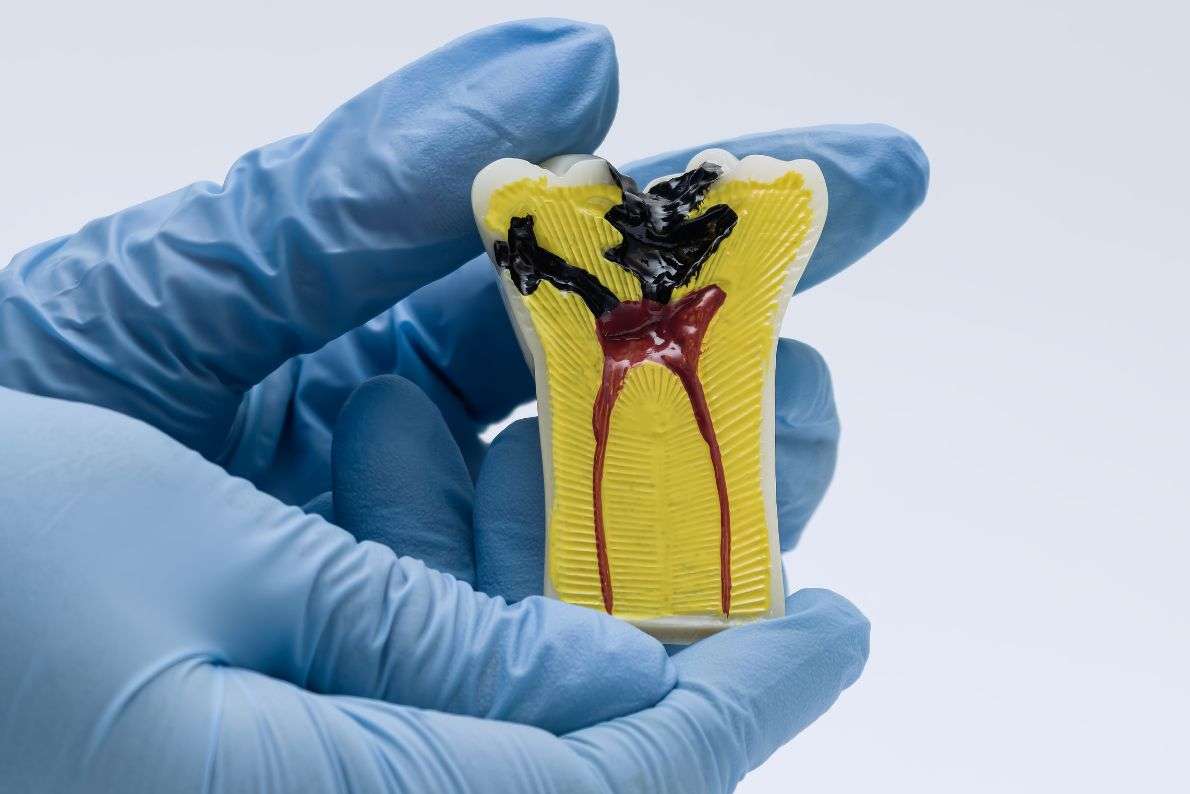
There is a certain amount of anxiety that tends to accompany the words “root canal”, and much of it comes from simply not knowing what to expect. The reality for most patients is far more manageable than they anticipate. Root canal treatment is a well-established dental procedure carried out under local anaesthetic, and the majority of patients are pleasantly surprised at how straightforward it turns out to be.
Knowing what will happen at each stage — from your first consultation through to recovery — makes the experience considerably less daunting. This guide takes you through the whole process of root canal treatment at a dental practice in Edinburgh, so you know exactly what to expect from the moment you book your appointment.
Before Your Appointment
If you are experiencing tooth pain, prolonged sensitivity to hot or cold, swelling in the gum, or a persistent ache in your jaw, these may be signs that the pulp inside your tooth has become infected. Your dentist will usually identify the need for root canal treatment during an examination — sometimes routine, sometimes prompted by symptoms you have reported.
Before treatment begins, your dentist will take X-rays of the affected tooth and the surrounding bone. These images help determine how many root canals the tooth has, how they are shaped, and whether the infection has spread beyond the tooth itself. This planning stage is important — it allows your dentist to anticipate any complexities and ensure the procedure is carried out as efficiently as possible.
You do not need to do anything special to prepare for root canal treatment. You can eat and drink normally beforehand, though some patients prefer to avoid a large meal immediately before the appointment in case they feel apprehensive. It is a good idea to take any regularly prescribed medication as normal unless your dentist advises otherwise.
Arriving for Your Appointment
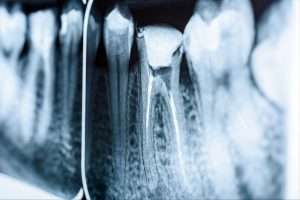 When you arrive, your dentist will review your X-rays and confirm the treatment plan with you. This is a good opportunity to ask any questions you have and to mention any anxieties or concerns. A good dentist will ensure you feel fully informed and comfortable before proceeding.
If you have dental anxiety, it is worth letting the practice know when you book your appointment. This allows them to arrange extra time if needed and to discuss options for making the experience more comfortable, whether that is simply taking things at a slower pace or considering additional sedation options.
The Procedure: Step by Step
Anaesthetic
The first thing your dentist will do is administer a local anaesthetic to numb the tooth and the surrounding gum and bone. The injection itself may cause a brief stinging sensation, but within a few minutes the area will be completely numb. Your dentist will check that you cannot feel any sharp sensations before proceeding.
Rubber Dam Placement
A thin rubber sheet called a dental dam is secured around the tooth being treated. This keeps the area dry and clean throughout the procedure, prevents any debris from falling into your mouth or throat, and ensures the irrigating solutions used to disinfect the canals stay exactly where they are needed.
Opening the Tooth
Using a dental drill, your dentist will make a small opening through the crown of the tooth to gain access to the pulp chamber below. For front teeth, this opening is usually made at the back; for molars and premolars, it is made through the biting surface.
Removing the Pulp
Thin, flexible instruments are used to carefully remove the infected or inflamed pulp from the pulp chamber and root canals. The canals are then shaped using progressively larger files to ensure they can be thoroughly cleaned and filled.
Irrigating and Disinfecting
Throughout the cleaning process, the canals are flushed with antibacterial solutions — commonly sodium hypochlorite — to remove any remaining debris and bacteria. This is a critical stage in ensuring the infection does not return.
Filling the Canals
Once the canals are clean and shaped, they are dried and filled with a biocompatible rubber material called gutta-percha. This is compacted into the canals and sealed with dental cement to prevent bacteria from re-entering.
Temporary or Permanent Restoration
At the end of the appointment, the opening in the tooth is closed with either a temporary or permanent filling. If further appointments are needed — for example, to allow time for antibiotics to take effect or for a crown to be prepared — a temporary filling is placed. The tooth should be protected with a permanent restoration, usually a crown, before too long.
What You Might Feel During Treatment
Under local anaesthetic, you should not feel any sharp pain during the procedure. What you will likely experience includes:
- A sense of pressure or movement as instruments work inside the tooth
- Vibration from certain instruments
- A slight taste from the irrigating solutions (the rubber dam minimises this)
- Jaw tiredness from keeping your mouth open, particularly for longer appointments
At any point during the procedure, if you experience discomfort, you can signal to your dentist to stop. Do not feel you need to endure any pain — more anaesthetic can be given if required.
After Your Appointment: What to Expect
Once the anaesthetic wears off — usually within a few hours — you may notice some tenderness around the treated tooth and in the surrounding gum. This is completely normal and is a response to the work carried out inside the tooth. It typically settles within two to four days.
Over-the-counter pain relief such as paracetamol or ibuprofen is usually sufficient to keep any post-treatment discomfort manageable. The NHS recommends avoiding biting hard foods on the treated tooth until it is fully restored, and continuing to brush and clean around it as normal.
After-Treatment Care at a Glance
| Timeframe | What to Expect | What to Do |
|---|---|---|
| First few hours | Numbness in the treated area | Avoid hot food and drinks until sensation returns |
| 24 – 48 hours | Tenderness around the tooth and gum | Take paracetamol or ibuprofen as needed |
| 2 – 4 days | Gradual reduction in soreness | Avoid chewing on the treated tooth |
| 1 – 2 weeks | Tooth should feel settled | Attend follow-up for crown fitting |
| Long-term | Tooth fully functional with crown in place | Maintain normal oral hygiene routine |
When to Contact Your Dentist After Treatment
Most post-treatment discomfort is mild and short-lived. However, you should contact your dentist if:
- Pain is severe or worsening rather than improving
- Swelling develops in the face, jaw, or neck
- You develop a fever
- The temporary filling falls out before your next appointment
- You notice any visible signs of infection, such as a swollen or discharging gum
Getting Your Crown Fitted
Root canal treatment leaves the tooth structurally sound but more vulnerable to fracture than a tooth with its pulp intact. For this reason, your dentist will recommend having a crown fitted over the treated tooth. This protects it from cracking and restores it to full function. The crown appointment is typically straightforward and is carried out a few weeks after the root canal itself.
At Essential Dental Care, we make it our priority to ensure every patient feels informed, comfortable, and well looked after throughout their root canal treatment. From your initial consultation to your final crown fitting, our Edinburgh team is with you at every stage. To book an appointment or ask any questions, call us on 0131 229 1806 — we would be glad to help.