

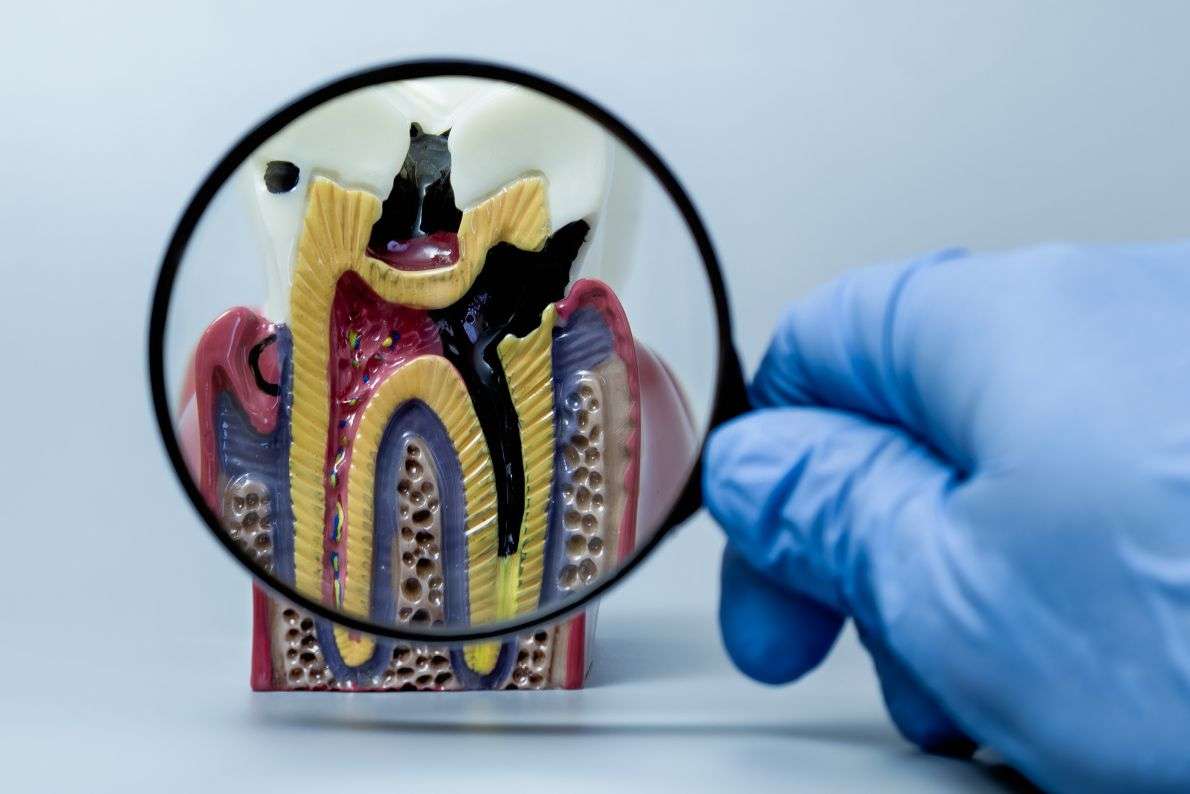
Completing your root canal treatment is a significant step towards preserving your natural tooth and eliminating the infection that was causing you discomfort. How well you care for the treated tooth in the days and weeks that follow plays an important role in how smoothly you recover and how long the results last. Good aftercare is straightforward, and most patients are back to their normal routine within a day or two.
After root canal treatment, it is completely normal to experience some mild soreness or sensitivity around the treated tooth as the local anaesthetic wears off and the surrounding tissues begin to settle. The NHS advises that this discomfort should ease within a few days and can be managed with over-the-counter pain relief such as paracetamol or ibuprofen.
The First 24 Hours After Treatment
The immediate period after root canal treatment requires a little care. Your mouth will still be numb from the local anaesthetic, which typically takes two to four hours to wear off fully. During this time, avoid eating on the treated side of your mouth, as you could inadvertently bite your cheek, lip, or tongue without realising it.
Once sensation returns, stick to soft foods for the remainder of the day. Options such as soup, yoghurt, scrambled eggs, and mashed potato are ideal. Avoid anything very hard, crunchy, or chewy until any soreness has fully settled. If your dentist has placed a temporary filling rather than a permanent restoration, be particularly careful, as temporary fillings are less robust and can be dislodged by tough foods.
Managing Discomfort
Some degree of tenderness around the treated tooth is normal for the first few days. The area around the root tip may feel slightly inflamed as it heals. Most patients find this very manageable with standard painkillers:
- Paracetamol — Take as directed on the packaging. Effective for general soreness and safe for most adults.
- Ibuprofen — An anti-inflammatory as well as a painkiller, which can be particularly helpful in the first day or two. Avoid if you have a history of stomach problems, kidney issues, or are pregnant. Check with your pharmacist if you are unsure.
- Alternating both — Some patients find alternating paracetamol and ibuprofen every few hours provides better overall relief than either alone. Speak to your dentist or pharmacist if you want guidance on this.
Do not take more than the recommended dose of any medication. If pain is severe, worsening after two to three days rather than improving, or not controlled by over-the-counter medication, contact your dentist promptly.
Oral Hygiene After Root Canal Treatment
It is important to continue with your usual oral hygiene routine after treatment. Keeping the area clean reduces the risk of further infection and supports healing. Brush twice daily with a fluoride toothpaste, and continue to floss or use interdental brushes between teeth as you normally would.
Be gentle around the treated tooth for the first few days, particularly if the gum tissue around it is a little tender. You do not need to avoid the area, but there is no need to brush aggressively. A soft-bristled toothbrush is a good choice in the immediate post-treatment period.
Avoid using mouthwash that contains alcohol in the first 24 hours, as this can irritate already sensitive tissue. An alcohol-free antibacterial rinse can be beneficial once the initial healing period has passed, particularly if your dentist recommends it.
Foods to Avoid During Recovery
Protecting the treated tooth from unnecessary stress during the recovery period is important. Avoid the following until your dentist confirms the tooth is fully restored:
- Hard foods such as raw carrots, crusty bread, nuts, and hard sweets
- Chewy foods like tough meat, toffee, or bagels
- Sticky foods that could dislodge a temporary filling
- Extremely hot or cold food and drink, as the tooth may be temporarily more sensitive
These restrictions typically apply only for the first week or two. Once a permanent crown is in place, your tooth will be considerably better protected.
The Importance of Your Follow-Up Appointment
Root canal treatment is rarely a one-and-done appointment. Whether your dentist has placed a temporary filling or completed treatment in one session, a follow-up is usually needed to place a permanent crown. This is a critical step that should not be delayed. A temporary filling is not designed to be a permanent solution and will not offer the long-term protection the tooth needs.
The crown seals the tooth against reinfection, protects the remaining tooth structure from fracture, and restores normal bite function. Most dentists recommend fitting the crown within a few weeks of completing the root canal procedure. Delaying this can increase the risk of the tooth cracking or becoming reinfected.
Aftercare Summary
| Time After Treatment | Recommended Actions |
|---|---|
| 0–4 hours | Avoid eating; anaesthetic is still active |
| First 24 hours | Soft foods only; avoid the treated side; take painkillers if needed |
| Days 2–5 | Gentle brushing; continue soft diet; monitor for unusual symptoms |
| First week | Avoid hard, sticky, or chewy foods; no alcohol-based mouthwash |
| Within a few weeks | Attend follow-up appointment; have permanent crown fitted |
| Ongoing | Brush twice daily; floss regularly; attend routine dental check-ups |
Signs That Require a Prompt Dental Review
While mild tenderness is normal, certain symptoms should prompt you to contact your dentist rather than wait for your next scheduled appointment. These include:
- Increasing pain or swelling rather than gradual improvement after two to three days
- A return of the severe toothache you had before treatment
- Swelling in the face, jaw, or neck
- A raised temperature or feeling generally unwell
- The temporary filling coming out or cracking before your follow-up
- An uneven bite that does not settle within a few days
None of these outcomes are common, but when they do occur, early attention gives the best chance of a straightforward resolution.
Long-Term Care of a Root-Treated Tooth
Once your crown is in place and the tooth has healed, your day-to-day care routine is much the same as for any other tooth. Brush and floss consistently, attend your regular dental check-ups, and let your dentist know if you notice any changes. If you grind your teeth at night, a custom night guard is worth considering, as grinding places excessive force on all teeth and can shorten the lifespan of a crown.
Root-treated teeth, when properly restored and maintained, can last for many years — in some cases a lifetime. The key is not to treat treatment completion as the end of the story, but to follow through with the restorative work and ongoing care that keeps the tooth healthy.
At Essential Dental Care, we guide every patient through the aftercare process and are always available if you have concerns following treatment. Good aftercare is something we take seriously, and we will make sure you have all the information you need before you leave the practice. If you have recently had root canal treatment or are preparing for a procedure, give us a call on 0131 229 1806 — we are here to support you at every step.