All Posts By

Essential Dental Care

What Is Hygienist and Is It Right for You?

What Is Hygienist and Is It Right for You?

By Hygienist

A dental hygienist is a qualified oral health professional who specialises in preventing and treating gum disease, removing hardened plaque deposits, and guiding patients through the best techniques for maintaining healthy teeth and gums at home. At our hygienist appointments in Edinburgh, we focus not only on the clinical cleaning of your teeth but also on equipping you with the knowledge and habits that keep problems from returning. Many people visit a hygienist for the first time as adults and quickly wonder why they waited so long — the improvement in comfort, confidence, and freshness is often immediate and noticeable.

The role of the hygienist sits alongside, but is distinct from, that of your regular dentist. While a dentist diagnoses and treats disease, decay, and structural problems, the hygienist concentrates on the soft tissue environment around your teeth: the gums, the sulci (the pockets between tooth and gum), and the surfaces where plaque accumulates day after day. According to Wikipedia on dental hygienists, the profession traces its formal roots back to the early twentieth century and has grown into a cornerstone of preventive dentistry worldwide.

What Happens During a Hygienist Appointment?

Warning Signs That You May Need Emergency DentistryWhen you arrive for a hygienist session, the clinician will begin by reviewing your dental and medical history, noting any medications that might affect gum health, any areas of known sensitivity, and any previous periodontal treatment you have received. This brief assessment shapes the approach for your cleaning that day, because no two mouths are the same.

The main clinical procedure is a professional scale and polish, often called a “scale and clean.” Using both ultrasonic scalers and hand instruments, the hygienist removes calculus — the hardened, mineralised deposits that form when plaque is not fully removed by brushing — from above and below the gumline. Calculus cannot be shifted by even the most thorough home brushing; it requires professional instrumentation. Once scaling is complete, the teeth are polished with a fine paste that smooths the enamel surface and removes superficial stains from tea, coffee, wine, and tobacco.

Throughout the appointment, the hygienist will point out areas where plaque is accumulating, demonstrate the correct brushing angle and motion for your particular tooth arrangement, and advise on whether interdental brushes, floss, or a water flosser would be most effective for you. This personalised coaching is one of the most valuable parts of the visit and is something no toothpaste advertisement or internet tutorial can fully replicate.

Hygienist Versus Standard Check-Up: Key Differences

Patients sometimes arrive at a practice unsure whether they need a check-up with the dentist, a hygienist appointment, or both. The answer depends on your circumstances, but understanding what each appointment focuses on helps you make an informed decision. The table below summarises the principal differences.

AspectHygienist AppointmentStandard Check-Up
Primary focusGum health, calculus removal, oral hygiene coachingDiagnosis of decay, structural issues, bite assessment
ClinicianDental hygienist or therapistDentist
X-rays takenRarely (unless combined appointment)Periodically, as clinically indicated
Stain removalYes — polish included as standardNot routinely included
Gum pocket measurementsPerformed when clinically indicatedOccasionally, at dentist’s discretion
Home care adviceDetailed, personalised coachingGeneral reminders if time allows
Typical duration30–60 minutes15–30 minutes

Who Benefits Most from Seeing a Hygienist?

The honest answer is that almost everyone benefits from a professional clean at least once or twice a year. However, certain groups gain particularly significant advantages from regular hygienist visits.

People with a history of gum disease, or those currently managing a condition called periodontitis, require more frequent cleaning to prevent further bone loss around the teeth. Without professional intervention, the bacteria that cause periodontitis continue to colonise deep pockets around the roots, and no amount of home brushing can adequately disturb them.

Smokers and tobacco users are at elevated risk of both gum disease and oral cancer, and the staining and calculus build-up that tobacco causes is considerable. Regular hygienist appointments help manage these effects and provide an opportunity for the clinician to spot early warning signs.

Patients with diabetes are another group for whom dental hygiene is especially important. Research consistently demonstrates a bidirectional relationship between poor gum health and blood sugar control: gum disease makes diabetes harder to manage, and raised blood glucose creates conditions in which bacteria thrive. Managing one condition tends to improve the other.

Patients who wear orthodontic appliances, whether fixed braces or clear aligners, often struggle to clean effectively around brackets and wires. A hygienist can access areas that are difficult to reach with a standard brush and advise on tools specifically designed for orthodontic cleaning.

Pregnant women experience hormonal changes that make the gums temporarily more reactive to plaque, a condition sometimes called pregnancy gingivitis. A hygienist visit during pregnancy is both safe and beneficial, helping to keep inflammation under control during this sensitive period.

What About People with No Obvious Gum Problems?

It is a common misconception that hygienist appointments are only necessary when something has already gone wrong. In reality, prevention is the entire point. Gum disease in its early stages — gingivitis — is almost universally painless. Patients frequently describe being surprised when they are told their gums are inflamed, because they have felt nothing unusual. Left unaddressed, gingivitis can progress to periodontitis, which involves irreversible bone loss and, in severe cases, tooth loss.

A regular professional clean removes the calculus deposits that act as a scaffold for bacterial colonies before those colonies have the opportunity to cause lasting damage. Think of it as the dental equivalent of a boiler service: you do it while everything is running smoothly precisely so that it continues to run smoothly.

For people whose home oral hygiene is already good, a hygienist visit might feel less transformative, but it is still valuable. Calculus forms at different rates in different people depending on saliva chemistry, diet, and anatomy, and some individuals accumulate deposits very quickly regardless of how diligently they brush. Only a clinical assessment can determine what your personal recall interval should be.

Is a Hygienist Appointment Right for You?

If you have ever noticed that your gums bleed when you brush, that you have persistent bad breath despite good home care, that your teeth feel rough or coated even shortly after brushing, or that a dentist has mentioned your gums look inflamed, then a hygienist appointment is very likely to help. These are all early signals that plaque and calculus are getting the upper hand.

Equally, if you simply want to maintain the best possible oral health and keep your teeth looking clean and bright, regular hygienist visits are among the most effective investments you can make. The combination of professional removal of deposits with personalised coaching on home care creates a consistent baseline of cleanliness that brushing alone rarely achieves.

There is no age restriction on benefiting from a hygienist. Children can be seen by dental therapists who have overlapping training, and adults of all ages — including those with complex medical histories, implants, or full dentures in addition to remaining natural teeth — can benefit from professional maintenance. If you are uncertain whether a hygienist appointment is appropriate for your specific situation, your dentist can advise, or you are welcome to enquire directly with our team.

How to Prepare for Your First Hygienist Visit

There is very little preparation required. Brush and floss as you normally would before attending — there is no need to try to do a perfect job or, conversely, to arrive without having brushed at all. The hygienist will assess your mouth as it is in its everyday state, and that honest baseline is more informative than one shaped by unusual pre-appointment effort.

What Is Hygienist and Is It Right for You - Essential Dental CareIf you have sensitivity to cold or have experienced discomfort during dental cleaning previously, mention this at the start of the appointment. The hygienist can use a gentler approach or apply topical desensitising agents to make the session more comfortable. Equally, if you have a strong gag reflex, anxiety about dental appointments, or any medical conditions that affect your mouth (such as dry mouth caused by medication), share this information. The more your clinician knows, the better they can tailor the appointment to you.

We are here to help you achieve and maintain outstanding oral health in a supportive, unhurried environment. At Essential Dental Care, our hygienist team works with patients across Edinburgh and Polwarth to make professional dental cleaning a comfortable and genuinely worthwhile part of their health routine. If you would like to book an appointment or simply find out more about what we offer, please call us on 0131 229 1806 — we would be delighted to help.

Who Is a Good Candidate for Hygienist?

Who Is a Good Candidate for Hygienist?

By Hygienist

One of the most persistent misconceptions about dental hygiene treatment is that it is only for people with obvious gum disease or very poor oral hygiene. In reality, professional hygiene care is appropriate — and beneficial — across an enormous range of patients and clinical situations. From the healthy adult with no known gum problems to the patient managing advanced periodontitis, from the teenager with a new fixed brace to the older adult with dental implants, regular professional cleaning supports better outcomes for virtually everyone who has teeth to protect. Understanding which patient profiles benefit most, and why, helps you make an informed decision about your own care. Our dental hygiene team in Edinburgh works with patients across all of these categories every week, and the clinical evidence for the benefit of professional hygiene care is well established.

Healthy Adults With No Known Gum Disease

The most straightforward case for regular hygienist appointments is the healthy adult who brushes and flosses consistently and has no known gum problems. Many people in this category assume they do not need to see a hygienist because they have no obvious symptoms. However, calculus — the hardened mineral deposits that form from plaque — builds up on virtually everyone’s teeth over time, regardless of how diligently they brush. Calculus cannot be removed at home; it requires professional scaling instruments. If it is allowed to accumulate, it provides a rough surface that traps more plaque, irritates the gum tissue, and creates the conditions for gingivitis and eventually periodontitis.

For healthy adults, hygienist appointments every six months are generally sufficient to prevent this cycle from beginning. The treatment is straightforward, comfortable, and relatively brief. The goal is to maintain the oral health that already exists, rather than having to correct deterioration that could have been prevented.

Patients With Gingivitis

Gingivitis is the mildest and most reversible form of gum disease, characterised by redness, swelling, and bleeding of the gum tissue in response to bacterial plaque. It is remarkably common — studies suggest that a significant proportion of the adult population has some degree of gingivitis at any given time. The good news is that gingivitis is entirely reversible with professional cleaning and improved home care. A hygienist appointment removes the calculus and bacterial biofilm driving the inflammation, and the gum tissue typically returns to health within a few weeks, provided the patient improves their home oral hygiene routine in parallel.

Patients with gingivitis are ideal candidates for professional hygiene treatment because the intervention at this stage is highly effective and avoids the need for more intensive treatment later. Allowing gingivitis to progress to periodontitis — which involves permanent bone loss — is clinically avoidable in the vast majority of cases.

Patients With Periodontitis

Periodontitis is the advanced form of gum disease, in which the bacterial infection has extended below the gumline and is actively destroying the bone and ligament that support the teeth. It is the leading cause of tooth loss in adults. As the NHS guidance on gum disease makes clear, periodontitis requires professional treatment — home oral hygiene alone cannot reverse the damage once it has occurred.

For patients with periodontitis, hygienist treatment is not optional but essential. The core treatment involves root surface debridement: the careful removal of bacterial deposits from the root surfaces below the gumline, carried out using specialist hand and ultrasonic instruments. This is often done in sections across multiple appointments, with the hygienist reassessing the pocket depths and bleeding scores at a review appointment six to eight weeks later. For many patients with moderate periodontitis, this non-surgical approach achieves significant stabilisation of the disease and avoids the need for surgical intervention. More advanced cases may require referral to a periodontist, but the hygienist remains central to the ongoing maintenance phase of care.

Smokers and Former Smokers

Who Is a Good Candidate for Hygienist - Essential Dental CareTobacco use is one of the strongest risk factors for gum disease. Smoking impairs the blood supply to the gum tissue, suppresses the local immune response, and accelerates the accumulation of calculus. It also masks one of the most reliable early warning signs of gum disease — bleeding gums — because the vasoconstriction caused by nicotine reduces bleeding even when the underlying inflammation is significant. This means smokers can have quite advanced gum disease without the obvious bleeding symptom that would prompt action in a non-smoker.

Smokers are very good candidates for more frequent hygienist appointments, typically every three to four months. The hygienist plays an important role not only in providing treatment but in monitoring gum health closely in the context of ongoing tobacco use and supporting the patient through smoking cessation if that is a goal.

Patients With Diabetes

The relationship between diabetes and gum disease is bidirectional and clinically significant. Elevated blood glucose creates an environment in which periodontal bacteria thrive, and the resulting inflammation makes blood glucose control more difficult — a cycle that can be broken, in part, by effective gum disease management. People with diabetes are more susceptible to gum disease, tend to experience more severe forms of it, and respond less predictably to treatment than the general population.

Regular hygienist appointments are a core component of diabetes management for this reason. The recommended frequency is typically every three months rather than six, and the hygienist will work in the context of the patient’s overall health management, sometimes liaising with the patient’s GP or diabetes care team.

Patients With Orthodontic Appliances

Fixed braces, clear aligners, and retainers all create additional surfaces and spaces where plaque can accumulate, and they make thorough home cleaning more challenging. Brackets, wires, and the areas beneath clear aligner trays are particular risk areas. Patients undergoing orthodontic treatment are therefore at elevated risk of developing gingivitis and, in some cases, early periodontitis, even if their gum health was good before treatment began.

Hygienist appointments during orthodontic treatment — typically every three to four months — are highly beneficial. The hygienist can access areas that are difficult to clean with a toothbrush and interdental tools alone, and she can provide specific oral hygiene instruction for cleaning around orthodontic appliances.

Patients With Dental Implants

Who Is a Good Candidate for Hygienist - Essential Dental CareDental implants require professional cleaning just as natural teeth do, and in some respects they are more vulnerable: the soft tissue around an implant is structurally different from the gum around a natural tooth and can be affected by a condition called peri-implantitis — an inflammatory condition analogous to periodontitis that can destroy the bone holding the implant in place. Peri-implantitis is more common than many patients realise, and once established, it is significantly harder to treat than periodontitis around natural teeth.

Regular hygienist appointments are essential for implant maintenance. The hygienist uses instruments that are safe for implant surfaces and assesses the tissue around each implant at every visit. Catching early signs of peri-implant inflammation allows intervention before bone loss occurs.

Pregnant Patients

Pregnancy causes significant hormonal changes that heighten the gum tissue’s inflammatory response to plaque. Pregnancy gingivitis is extremely common, affecting a large proportion of pregnant women to some degree. In most cases it resolves after delivery, but it can be uncomfortable during pregnancy and, in susceptible individuals, can progress to periodontitis. There is also research suggesting a possible link between periodontitis and adverse pregnancy outcomes such as preterm birth and low birth weight, though the evidence in this area continues to develop.

Hygienist appointments are safe during pregnancy and are actively recommended. If you are planning a pregnancy, having a hygienist appointment beforehand to ensure your gums are in good health is a sensible precautionary step.

Patient Suitability Reference

Patient ProfileSuitable for Hygienist?Notes / Alternatives
Healthy adults, no gum problemsYes — preventive maintenanceEvery 6 months is typically sufficient
Patients with gingivitisYes — highly effective at this stageReversible with professional cleaning and good home care
Patients with periodontitisYes — essential treatmentMay need multiple sessions; root surface debridement
SmokersYes — increased frequency recommendedEvery 3–4 months; smoking cessation support available
Patients with diabetesYes — every 3 months recommendedCoordinate with GP/diabetes care team
Orthodontic patientsYes — every 3–4 months during treatmentSpecific instruction for cleaning around appliances
Patients with dental implantsYes — essential for implant longevityImplant-safe instruments used; monitors for peri-implantitis
Pregnant patientsYes — safe and recommendedAddresses pregnancy gingivitis; ideally also before conception
Patients on medications causing dry mouthYes — increased calculus riskDiscuss saliva substitutes and frequency with hygienist

Is There Anyone Who Should Not See a Hygienist?

Who Is a Good Candidate for Hygienist - Essential Dental CareThere are very few absolute contraindications to hygienist treatment. Patients who are taking blood-thinning medication may experience more bleeding during scaling, but this does not mean the treatment should be avoided — it simply requires the hygienist to be aware and adapt her approach. Patients who have undergone certain head and neck radiation treatments, or who have been prescribed bisphosphonate medications, may require modified treatment protocols, and in these cases the hygienist will liaise with the patient’s medical team. If you have any medical conditions or take any medications, always inform the hygienist at the outset so that treatment can be planned appropriately.
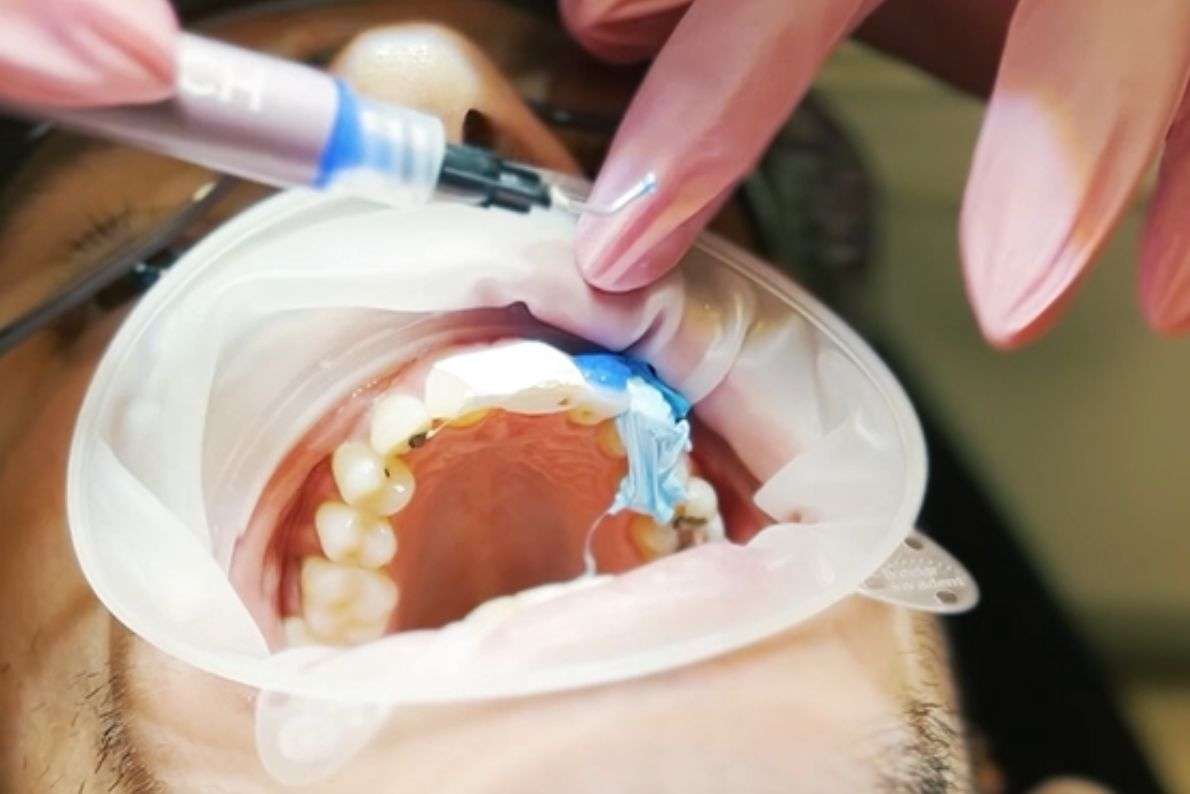

The best way to determine whether you would benefit from a hygienist appointment — and at what frequency — is simply to book one and have a full assessment carried out. Our team will evaluate your gum health, discuss your medical history and lifestyle, and give you a clear, personalised recommendation. We welcome patients of all backgrounds and at all stages of their oral health journey. To book your assessment at Essential Dental Care in Polwarth, Edinburgh, call us on 0131 229 1806.

Aftercare Tips for Composite Bonding Treatment

Aftercare Tips for Composite Bonding Treatment

By Composite Bonding

Composite bonding is one of the most rewarding cosmetic dental treatments available today, offering a fast, minimally invasive way to improve the appearance of chipped, discoloured, or misshapen teeth. However, how well you care for your bonded teeth in the days, weeks, and years after treatment has a direct bearing on how long the results last. With the right approach, composite bonding can remain looking excellent for five to eight years or more, but poor habits can shorten that lifespan considerably. Understanding the material itself is the first step: dental composite resin is durable but not indestructible, and it responds to the same forces and substances that affect natural enamel — only without the same regenerative capacity that living tooth tissue has.

The First 24 to 48 Hours

The period immediately after your composite bonding appointment is the most important time for aftercare. Although the resin is cured and hardened using a dental light during the procedure, the bonding continues to settle and integrate during the first day or two. During this window, the composite can be more susceptible to surface staining from highly pigmented foods and drinks, so it is worth being particularly careful about what you consume.

Aftercare Tips for Composite Bonding Treatment - Essential Dental CareIn the first 24 to 48 hours, avoid tea, coffee, red wine, dark berries, tomato-based sauces, and any other intensely coloured foods or drinks. The same applies to tobacco — if you smoke, this is an excellent moment to either abstain temporarily or consider whether the habit is compatible with your investment in your smile. You should also avoid biting into hard foods such as crusty bread, raw carrots, or hard sweets, as the bonding will be fully set but you are still getting used to how your bite feels with the new shape.

Some patients notice mild tooth sensitivity in the first couple of days after treatment, particularly to cold or hot temperatures. This is entirely normal and usually resolves on its own within 48 hours. If sensitivity persists beyond a week, contact your dentist so they can check the bonding and ensure the bite is correctly adjusted.

Dietary Habits to Adopt Long-Term

Once you are past the initial settling period, you can return to a mostly normal diet, but some long-term adjustments will significantly extend the life of your composite bonding. Composite resin is more porous than porcelain, which means it is more prone to absorbing stains from certain foods and drinks over time. Drinking tea, coffee, and red wine through a straw reduces direct contact with the bonded surfaces. Rinsing your mouth with water after consuming staining foods or drinks also helps to clear away pigments before they have a chance to penetrate the material.

Aftercare Tips for Composite Bonding Treatment - Essential Dental CareHard and sticky foods deserve ongoing caution. Biting directly into hard objects — whether food or otherwise, such as pen lids or fingernails — places stress on the composite and can cause chipping. Sticky sweets and chewing toffees can pull at the bonding material, weakening the adhesive bond over time. None of these foods are entirely forbidden, but treating your bonded teeth with a degree of mindfulness will pay dividends in the long run.

Alcohol-based mouthwashes are worth avoiding, or at least limiting. There is evidence that high-alcohol mouthwashes can slightly weaken the bond between composite resin and tooth enamel over prolonged use. Opt for an alcohol-free fluoride mouthwash instead, which will provide similar antibacterial and protective benefits without the risk to the bonding material. For a more detailed look at the science behind composite resin materials, the Wikipedia article on dental composite offers a useful overview of the material properties involved.

Oral Hygiene Routines That Protect Your Bonding

Good oral hygiene is as important for bonded teeth as it is for natural teeth — arguably more so, because the margins where composite meets tooth enamel can be vulnerable to plaque accumulation if not cleaned properly. Brush twice daily with a soft-bristled toothbrush and a non-abrasive toothpaste. Many whitening toothpastes contain abrasive particles designed to polish enamel, but these same particles can scratch the surface of composite resin, making it more susceptible to future staining and dulling its polish over time. Check the RDA (Relative Dentine Abrasivity) score of your toothpaste if possible, and aim for a score below 70 for bonded teeth.

Flossing remains essential. Use regular dental floss or an interdental brush to clean between the teeth, paying particular attention to the margins of the bonded areas. When flossing near bonded teeth, slide the floss out sideways rather than snapping it upward, which can stress the edges of the composite. Water flossers are an excellent supplement — they can rinse away debris from around the bonding margins without any mechanical stress.

Electric toothbrushes are generally safe for composite bonding, but use them on a sensitive or standard mode rather than a high-power whitening setting. The goal is effective cleaning without excessive abrasion.

Habits and Behaviours to Avoid

Several everyday habits can put unnecessary stress on composite bonding and lead to premature chipping or failure. Nail biting is one of the most common culprits — the repetitive pressure and angle of force is particularly damaging for bonded front teeth. Chewing on pens, pencils, or other hard objects places similar stresses on the composite. Ice chewing is another habit that many people consider harmless but which places significant impact force on dental restorations of all kinds.

If you grind or clench your teeth — a condition known as bruxism — it is essential to discuss this with your dentist before or immediately after receiving composite bonding. Bruxism generates enormous forces, often far greater than normal biting pressure, and can fracture or wear down composite resin relatively quickly. A custom-made night guard, worn while sleeping, provides a protective barrier that absorbs these forces and greatly extends the lifespan of bonding and other restorations. Many patients with bruxism are not even aware of the habit until a dentist identifies the telltale signs of wear.

What to Expect Over Time

Composite bonding does not last forever, and understanding what normal ageing of the material looks like helps you monitor your treatment effectively. Over the years, composite resin can gradually lose some of its original lustre, taking on a slightly more matte appearance as micro-scratches accumulate on the surface. Some degree of colour shift is also possible, particularly for patients who consume a lot of staining beverages. The good news is that minor surface staining can often be polished away at a routine hygiene appointment, restoring much of the original brightness.

Small chips or rough edges can sometimes develop, especially in areas subject to high biting force. In many cases these can be repaired quickly and inexpensively by adding a small amount of fresh composite, which bonds readily to the existing material. This repairability is one of the significant advantages of composite bonding over porcelain veneers, which typically require complete replacement if they chip or fracture.

Aftercare at a Glance: A Practical Guide

TimeframeWhat to DoWhat to Avoid
First 24–48 hoursEat soft foods; rinse with water after meals; use sensitivity toothpaste if neededTea, coffee, red wine, dark sauces, hard or crunchy foods, tobacco
First two weeksBrush gently twice daily; floss carefully at bonding margins; attend any follow-up appointmentAbrasive whitening toothpastes; alcohol-based mouthwash; nail biting; biting hard objects
Ongoing (months and years)Use a soft toothbrush and low-abrasion toothpaste; wear a night guard if you grind; attend six-monthly check-ups and hygiene visitsChewing ice or very hard foods directly with bonded teeth; smoking; missing dental appointments
As neededContact your dentist if you notice a chip, rough edge, or persistent sensitivity; ask about polishing at hygiene appointments to refresh surface glossIgnoring chips or changes to the bite; attempting DIY repairs with over-the-counter products

The Role of Regular Dental Appointments

Even with exemplary home care, regular professional appointments are irreplaceable when it comes to maintaining composite bonding. Your dentist can monitor the condition of the composite at each check-up, identifying any areas of wear or marginal staining that can be addressed before they become larger problems. Your hygienist can polish the composite surfaces professionally, removing surface staining and restoring smoothness in a way that home brushing cannot replicate. These visits are also an opportunity to reassess your bite and make any minor adjustments if the bonding has shifted slightly over time.

Attending appointments every six months is the standard recommendation for most patients, though those with more complex needs or a history of grinding may benefit from more frequent visits. Think of these appointments not as a chore but as a maintenance schedule for your investment — similar to servicing a car rather than waiting for something to break down.

What to Expect at Your Dental Appointment - Essential Dental CareWhen to Contact Your Dentist Sooner Rather Than Later

There are situations where you should not wait for your next scheduled appointment. If you notice a sharp or rough edge on a bonded tooth, contact your practice promptly — left untreated, a rough margin can irritate the tongue or cheek and is more likely to develop into a larger chip. If the bite feels uneven or uncomfortable, this may indicate that the bonding needs minor adjustment. If you notice significant colour change or staining that cannot be addressed by normal brushing, a professional polish is likely to help. And if a portion of the composite has fractured or come away from the tooth, seek attention as soon as possible to prevent the underlying tooth from being exposed or the situation worsening.

At Essential Dental Care in Polwarth, Edinburgh, we provide thorough aftercare guidance at every composite bonding appointment, and we are always happy to answer questions about looking after your treatment between visits. If you have recently had composite bonding elsewhere and are looking for a practice to support your ongoing care, or if you are considering bonding for the first time and want to understand the full picture before committing, our team is here to help. You can reach us on 0131 229 1806 to arrange a consultation or check-up.

Signs That You May Need a Hygienist - Essential Dental Care

Signs That You May Need a Hygienist

By Hygienist

Most people are aware that they should see a dental hygienist regularly, but far fewer know how to recognise the signs that they need one urgently. Gum disease is a slow and often painless condition in its early stages, which means it can progress significantly before patients notice anything is wrong. Our dental hygiene appointments in Edinburgh are designed to catch these problems early — but knowing the warning signs yourself puts you in a much stronger position to act before things worsen.

The symptoms listed here range from mild and easily overlooked to more obvious and serious. Some appear during everyday activities like brushing or eating; others only become apparent when pointed out by a clinician. Understanding what each symptom might indicate — and how urgently it should be addressed — is the first step towards protecting your gum health. If you recognise several of these signs, a hygienist appointment in Edinburgh should be a priority rather than something to defer until your next routine check-up.

Bleeding Gums When Brushing or Flossing

Signs That You May Need a Hygienist - Essential Dental CareBleeding gums are probably the most common warning sign that patients notice but tend to dismiss. Many people assume that a little blood when brushing is normal, or that their gums are just “sensitive.” In fact, healthy gums do not bleed. Bleeding is the gum tissue’s inflammatory response to the presence of bacteria in plaque that has not been adequately removed. This condition — known as gingivitis — is the earliest stage of gum disease and is entirely reversible with professional cleaning and improved home care.

If bleeding is occasional and confined to one or two spots, it may indicate a localised buildup of plaque or calculus that a hygienist can address quickly. If bleeding is widespread or persistent, it suggests that gingivitis is more established and that bacteria have been accumulating along the gum line for some time. The good news is that gingivitis is completely reversible; once the bacterial deposits are professionally removed and home cleaning improves, gum inflammation typically resolves within a few weeks.

Persistent Bad Breath

Occasional bad breath after eating strongly flavoured foods is entirely normal, but persistent halitosis — bad breath that does not resolve after brushing and does not seem to have an obvious dietary cause — is often a sign of oral bacteria that are beyond the reach of a toothbrush. The bacteria responsible for gum disease produce volatile sulphur compounds as a byproduct of their activity, and these compounds are the source of the characteristic unpleasant odour associated with periodontal disease.

Persistent bad breath can also indicate pockets of infection below the gum line, areas of calculus harbouring bacteria, or food debris trapped in deep gum pockets. A hygienist can identify the source of the problem, carry out the necessary cleaning, and advise on changes to your home care routine that will reduce bacterial load and improve breath freshness over time.

Receding Gums

If your teeth appear to be getting longer, or if you can see more of the tooth root than you used to, your gums may be receding. Gum recession occurs when the gum tissue pulls away from the tooth, exposing the root surface below the enamel line. This can be caused by gum disease, overly vigorous brushing with a hard-bristled toothbrush, or a combination of both factors.

Exposed root surfaces are more vulnerable to decay and sensitivity than enamel-covered portions of the tooth, and recession cannot be reversed once it has occurred — though it can be halted. A hygienist can assess the extent of recession, clean the affected areas thoroughly, and advise on the correct brushing technique to prevent further damage. In more advanced cases, a referral to a periodontist for gum grafting may be appropriate.

Tooth Sensitivity to Temperature

New or worsening sensitivity to hot and cold food and drinks can be linked to gum recession, enamel erosion, or the exposure of dentine following gum detachment. When gum tissue recedes and root surfaces are exposed, the dentinal tubules beneath the root surface transmit temperature changes directly to the nerve, causing sharp or lingering sensitivity. This is not the same as sensitivity caused by a cracked tooth or a failing filling, though both should be investigated.

A hygienist can apply desensitising treatments such as fluoride varnish or desensitising paste to the affected root surfaces, and can identify whether the sensitivity is likely to respond to conservative measures or whether referral to a dentist is needed for further investigation.

Swollen, Red, or Tender Gums

Healthy gum tissue is pink, firm, and does not cause discomfort when touched. Gums that are red, puffy, or sore to the touch are showing signs of inflammation. This inflammation is the body’s immune response to the bacteria present in plaque and calculus, and while it is the body trying to protect itself, prolonged inflammation leads to tissue destruction over time.

Swollen gums can also be a sign that calculus has built up below the gum line in areas that cannot be reached by brushing or flossing. Only a hygienist or dentist using specialist instruments can access and remove subgingival calculus. Leaving these deposits in place allows the inflammatory cycle to continue and gum disease to progress to deeper structures.

Loose or Shifting Teeth

Adult teeth should not feel loose, and if they do, this is a significant warning sign that gum disease may have progressed to a more advanced stage known as periodontitis. Periodontitis involves the destruction of the bone and ligaments that support the teeth in their sockets. As the supporting structures are lost, teeth begin to feel mobile, may shift position, and in severe cases can be lost altogether.

Loose teeth require prompt attention. A hygienist working alongside a dentist or periodontist can carry out deep cleaning — including root surface debridement below the gum line — to halt the bacterial infection. The damage that has already occurred cannot be fully reversed, but the disease process can be stabilised, and many teeth that might otherwise be lost can be retained with prompt and consistent treatment.

Visible Tartar Build-up

Tartar, or calculus, is mineralised plaque that forms when plaque is not removed regularly and hardens over time. It typically appears as a yellow or brown deposit along the gum line, particularly on the back surfaces of the lower front teeth and the outer surfaces of the upper molars. Once calculus has formed, it cannot be removed by brushing or flossing — professional instruments are required.

The rough surface of calculus deposits acts as a scaffold for further bacterial accumulation, which means that visible tartar is both a symptom and a cause of ongoing gum inflammation. If you can see calculus on your teeth, it is a clear sign that a hygienist appointment is overdue.

Warning Signs at a Glance

Sign / SymptomWhat It IndicatesUrgency LevelRecommended Action
Bleeding gums when brushing or flossingGingivitis (early-stage gum disease)Moderate — address soonBook a hygienist appointment; improve home cleaning
Persistent bad breathBacterial buildup below gum line; possible deep pocketsModerateSee a hygienist to identify and remove source of bacteria
Receding gums or teeth looking longerGum recession from disease or brushing techniqueModerate to highHygienist assessment; review brushing technique; consider referral
Sensitivity to hot or coldExposed root surfaces; dentine exposureModerateHygienist treatment with desensitising agents; dentist review if persistent
Swollen, red, or tender gumsActive gum inflammation; subgingival calculus likelyModerate to highPrompt hygienist appointment to remove deposits
Loose or shifting teethAdvanced periodontitis; bone loss around teethHigh — seek care promptlyUrgent hygienist and dentist review; possible periodontal referral
Visible tartar (yellow/brown deposits) on teethMineralised plaque; ongoing bacterial accumulationModerateHygienist appointment to remove deposits professionally

When to Seek Help Promptly

If you are experiencing loose teeth, significant pain, or rapidly worsening symptoms, you should seek an appointment as soon as possible rather than waiting for a scheduled check-up. Most of the conditions described above are far easier to treat in their earlier stages. The NHS guidance on gum disease confirms that early intervention is the most effective way to prevent gum disease from progressing to the point where tooth loss becomes a real risk.

Even if your symptoms are mild, it is worth acting sooner rather than later. Gum disease is a chronic condition that tends to worsen gradually and silently. A hygienist appointment will give you an accurate baseline assessment of your gum health and a clear plan for maintaining or improving it — which is far more useful than waiting until problems become obvious.

What Happens If Gum Disease Is Left Untreated

Many patients put off seeing a hygienist because the symptoms they are experiencing do not seem severe enough to warrant urgent attention. This is one of the reasons gum disease is so widespread: it rarely hurts in its early stages, and the gradual nature of its progression makes it easy to normalise. By the time significant discomfort or obvious tooth mobility develops, substantial bone and tissue loss has usually already occurred.

Beyond the mouth, there is a growing body of evidence linking chronic gum disease to systemic health conditions. Research has associated periodontitis with an increased risk of cardiovascular disease, poorly controlled blood sugar in people with type 2 diabetes, respiratory infections, and adverse pregnancy outcomes. Treating gum disease is not just about keeping your teeth — it is about protecting your overall health.

What a Hygienist Appointment Involves

If any of the warning signs above apply to you, a hygienist appointment is the appropriate first step. The hygienist will carry out a detailed assessment of your gum health, including measuring the depth of the pockets around each tooth and recording any areas of bleeding, recession, or other concern. This baseline charting takes only a few minutes but provides genuinely useful clinical information.

Professional cleaning will follow, removing plaque and calculus from above and below the gum line using ultrasonic and hand instruments. You will then receive tailored advice on your home care routine — specific guidance on the brushing technique, interdental cleaning method, and products most likely to make a difference for your situation. This personalised instruction is often the most valuable part of the appointment for patients who have struggled to maintain consistent home care.

Signs That You May Need a Hygienist - Essential Dental CareAt Essential Dental Care in Polwarth, Edinburgh, we take gum health seriously. Whether you have noticed one or several of the warning signs described in this article, we encourage you not to wait. Our hygienist appointments are thorough, friendly, and focused entirely on your long-term wellbeing. To book or to find out more, please call us on 0131 229 1806 — we are always happy to help you take the right steps for a healthier mouth.

How to Prepare for Your Root Canal Appointment

How to Prepare for Your Root Canal Appointment

By Root Canal

Having a tooth that needs root canal treatment can feel daunting, particularly if you have never had the procedure before. The good news is that with the right preparation, your appointment can go smoothly, and the treatment itself is far more comfortable than most people expect. Knowing what to do in the days and hours beforehand makes a real difference to how relaxed you feel when you sit in the dental chair.

Modern root canal treatment is carried out under local anaesthetic, which means you should feel no pain during the procedure itself. According to the NHS, the treatment should be no more unpleasant than having an ordinary filling. That said, a little preparation goes a long way towards making the experience as comfortable as possible.

Eat a Proper Meal Beforehand

One of the most practical things you can do is eat a nutritious meal before your appointment. Once the local anaesthetic is in place, your mouth will be numb for several hours afterwards, making it awkward and potentially unsafe to eat. If you have eaten well beforehand, you will not need to worry about hunger while your mouth recovers. Avoid eating immediately before the appointment, as this can cause discomfort if you are feeling nervous, but do not skip meals entirely.

Steer clear of very hard or crunchy foods in the days leading up to treatment if the tooth is already sensitive. Softer foods will cause less irritation and reduce any existing discomfort before your dentist addresses the infection directly.

Take Any Prescribed or Recommended Medication

If your dentist has prescribed antibiotics ahead of your appointment, it is essential that you complete the full course as directed. Antibiotics help to reduce active infection and inflammation, which can make the anaesthetic more effective on the day. A severe infection in the area can sometimes make it harder for local anaesthetic to work at its best, so managing infection beforehand helps considerably.

If you are taking any regular medications, continue taking them as normal unless your dentist advises otherwise. Let your dental team know about any medicines you are currently taking, including over-the-counter remedies and supplements, as some can affect treatment or your recovery.

Avoid Alcohol Before Your Appointment

It is advisable to avoid alcohol for at least 24 hours before your appointment. Alcohol can thin the blood, which may affect healing, and it can also interact with the local anaesthetic or any post-treatment pain relief you may need. Arriving for a dental procedure without alcohol in your system also means you will be clearer-headed and better able to follow the aftercare instructions your dentist gives you.

Get a Good Night’s Sleep

Anxiety about dental appointments is extremely common, but tiredness can make nerves feel worse. Aim for a full night’s sleep before your root canal appointment. If you find it difficult to wind down, consider avoiding screens for an hour before bed, and try some gentle breathing exercises or a warm bath. A well-rested body copes better with dental procedures and recovers more efficiently afterwards.

Arrange Transport if Needed

While you will be awake throughout your root canal appointment — it is performed under local anaesthetic, not general anaesthetic — the numbness in your jaw and mouth can linger for a few hours. This does not usually prevent you from driving, but if you are feeling anxious or your appointment is lengthy, you might prefer to arrange a lift home. This also means you can focus on relaxing rather than worrying about parking or bus schedules.

What to Bring and Wear

Wear comfortable, loose clothing to your appointment. You will be reclined in the dental chair for potentially an hour or more, so being physically comfortable helps. Bring a list of your current medications and any medical history information your dentist may need. If you have dental anxiety, let the receptionist know when you arrive so the team can offer additional reassurance.

What Happens on the Day

When you arrive, your dentist will review your X-rays and confirm the treatment plan. The procedure typically follows these stages:

StageWhat HappensApproximate Duration
Local anaestheticInjected around the affected tooth to numb the area fully5–10 minutes
Access openingDentist drills through the crown to reach the pulp chamber10–15 minutes
Pulp removal & cleaningInfected or damaged pulp removed; canals cleaned and shaped30–60 minutes
Filling the canalsCanals filled with gutta-percha and sealed15–20 minutes
Temporary or permanent restorationCrown or filling placed to restore function15–30 minutes

In some cases, the treatment may be spread across two appointments, particularly if the infection is significant. Your dentist will explain what to expect before you begin.

Managing Pre-Appointment Anxiety

Dental anxiety is one of the main reasons people delay seeking treatment, which can allow infections to worsen. If you are feeling anxious, speak to your dentist openly. Many practices use gentle techniques to help nervous patients, including explaining each step before it happens, offering short breaks, or discussing sedation options where appropriate.

Remind yourself that the discomfort you may have been experiencing from the infected tooth is usually far worse than the treatment itself. Root canal procedures are specifically designed to relieve that pain, not to cause it.

Immediately After Your Appointment

Once treatment is complete, the numbness will take a few hours to wear off. Avoid eating on the treated side until the anaesthetic has fully subsided, and stick to soft foods for the first day or two. You may experience some mild soreness around the tooth and jaw, which is entirely normal and can be managed with over-the-counter painkillers such as paracetamol or ibuprofen.

Keep the area clean by brushing gently and continuing your usual oral hygiene routine, but be careful around the treated tooth until any sensitivity settles. Your dentist will schedule a follow-up to check on healing and, if required, to fit a permanent crown over the tooth.

Why Good Preparation Matters

Taking the time to prepare properly for your root canal appointment sets you up for a calmer, more comfortable experience. Patients who arrive well-rested, well-fed, and informed tend to find the procedure significantly easier to manage. Root canal treatment is one of the most effective ways to save a tooth that would otherwise need extracting, and with the right preparation, it is a procedure that can be completed with minimal disruption to your day.

At Essential Dental Care, we take great care to ensure every patient feels informed and at ease before their treatment begins. If you have questions about preparing for your appointment, our team is happy to talk you through every step. Give us a call on 0131 229 1806 and we will make sure you feel confident and ready for your root canal treatment with us.

Hygienist vs Alternatives: Which Option Is Right for You?

Hygienist vs Alternatives: Which Option Is Right for You?

By Hygienist

It is a question many patients ask themselves before booking: is a professional hygienist appointment actually necessary, or can a good home routine achieve the same results? The honest answer depends on your individual oral health status, your history of gum disease, and the effectiveness of your home care. For some patients, consistent and thorough home care can maintain excellent gum health between infrequent professional visits. For others — particularly those with a history of periodontitis, heavy tartar formation, or areas that are simply difficult to reach — professional treatment is not optional but essential.

What Home Care Can and Cannot Do

Hygienist vs Alternatives Which Option Is Right for You - Essential Dental CareTwice-daily toothbrushing with fluoride toothpaste, combined with daily interdental cleaning using floss or interdental brushes, is the foundation of good oral hygiene. Done correctly, this routine removes the majority of plaque from accessible tooth surfaces and significantly reduces the bacterial load that causes gum disease and tooth decay. It is not a minor contribution — good home care genuinely makes a substantial difference to oral health outcomes, and its importance should not be underestimated.

However, home care has structural limitations that are not a reflection of technique or effort. Once plaque hardens into calculus, no amount of brushing will remove it. The transition from soft plaque to hardened tartar can happen within twenty-four to seventy-two hours under the right conditions, and once it has formed, it can only be removed by a professional with the appropriate instruments. Calculus provides a rough surface that encourages further bacterial adhesion, which is why its removal is so significant in breaking the cycle of gum disease progression.

There are also anatomical limits to what toothbrushes and floss can reach. The spaces between teeth, the furrows of multi-rooted teeth, and the area just below the gum line are all challenging to clean thoroughly at home. Patients with misaligned teeth, fixed orthodontic appliances, bridges, or implants face additional complexity. Even with excellent technique, some deposit will inevitably accumulate in these areas over time.

Electric Toothbrushes and Water Flossers

The market for advanced home oral hygiene products has expanded considerably in recent years, and some of these tools do offer genuine advantages over their basic counterparts. Oscillating electric toothbrushes, for example, are consistently shown in clinical studies to remove more plaque than manual brushing, particularly for patients who struggle with technique. Sonic toothbrushes generate high-frequency vibrations that can disrupt plaque in areas the bristles barely touch.

Hygienist vs Alternatives Which Option Is Right for You - Essential Dental CareWater flossers use a pulsed jet of water to dislodge food and plaque from between teeth and around the gum line. They are particularly helpful for patients with implants, bridges, or orthodontic appliances where traditional floss is difficult or impossible to use effectively. Some patients find water flossers easier to use consistently than traditional floss, and consistency matters more than tool choice in the long run.

What these tools cannot do is remove established calculus, treat active gum disease, or assess clinical pocket depths. They are excellent adjuncts to professional care, not replacements for it. Patients who invest in high-quality home care products and use them correctly will typically need professional hygiene treatment less frequently — but they still need it.

Whitening and Over-the-Counter Stain Removal Products

Surface staining from tea, coffee, red wine, and tobacco is a common cosmetic concern that patients sometimes hope to address with over-the-counter whitening toothpastes or stain-removing treatments. These products can be partially effective for mild surface staining on accessible surfaces, but they work through mild abrasion rather than any chemical whitening effect, and they cannot remove staining embedded within tartar deposits.

Polishing during a professional hygiene appointment is more thorough and effective than any home stain removal product because the hygienist can access all surfaces of the tooth, including those that are invisible or inaccessible to a toothbrush. The smooth surface left after professional polishing also makes subsequent staining adhere less readily, extending the period before staining becomes visible again.

Antibacterial Mouthwashes: Useful Adjuncts With Specific Roles

Chlorhexidine mouthwash is a clinically recognised antibacterial agent that reduces bacterial counts in the mouth significantly. It is often prescribed for short periods following periodontal treatment or oral surgery. Some patients use it regularly in the belief that it can substitute for physical plaque removal, but this is a misunderstanding of what it does. Mouthwash disrupts bacteria in the rinsed area but cannot penetrate established plaque or calculus, and prolonged use of chlorhexidine is associated with tooth staining and altered taste perception.

Fluoride mouthwash has a different and complementary role — it strengthens enamel and reduces the acid attack that leads to decay. It is not designed to treat gum disease and does not replace physical plaque removal. Used as part of a complete routine after brushing and interdental cleaning, it adds a layer of protection that is genuinely useful. Used instead of that routine, it provides very limited benefit.

When Professional Hygiene Treatment Is Non-Negotiable

Is Hygienist Worth It? An Honest Patient GuideFor patients with a diagnosis of periodontitis — the more advanced form of gum disease that affects the supporting structures of teeth including the bone — professional treatment is not a preference but a clinical necessity. The NHS guidance on gum disease is clear that professional intervention is required once gum disease has progressed beyond gingivitis. Home care can prevent progression and support healing, but it cannot achieve what root surface debridement does in removing the deep-seated bacterial deposits that drive the disease.

Patients with dental implants need professional maintenance to prevent peri-implantitis, an inflammatory condition affecting the tissues around implants that, left untreated, leads to bone loss and implant failure. The surfaces around implants require specific instruments and techniques that differ from those used on natural teeth. This is highly specialised care that home cleaning cannot replicate.

Patients with a rapid tartar formation rate, a history of frequent recurrence of gum disease, or systemic conditions that affect oral health — such as diabetes or autoimmune conditions — typically need more frequent professional care than the general population. For these patients, extending the gap between appointments is likely to result in measurable deterioration in gum health that will require more intensive treatment to address.

Comparing Your Options

OptionEffectivenessApproximate CostBest ForLimitations
Professional hygienist appointmentHigh — removes calculus, treats gum inflammation, provides clinical assessment£50–£120 per visit depending on practice and treatment typeAll patients; essential for those with gum disease, implants, or heavy tartar formationRequires clinic attendance; some short-term sensitivity possible
Electric toothbrushGood for plaque removal; better than manual for most patients£30–£200+ (one-off); replacement heads ongoingPatients who struggle with manual technique; general plaque controlCannot remove tartar; limited reach below gum line
Water flosserModerate for food debris and soft plaque between teeth£30–£100 (one-off)Implant patients, orthodontic patients, those who find floss difficultDoes not replace mechanical flossing fully; ineffective against calculus
Antibacterial mouthwashLow to moderate; reduces bacterial count but not a substitute for physical cleaning£3–£15 per bottleShort-term post-treatment adjunct; useful for specific clinical situationsCannot remove plaque or calculus; prolonged chlorhexidine use causes staining
Whitening or stain-removing toothpasteLow; mild abrasive effect on surface staining only£3–£10 per tubeVery mild surface staining maintenance between professional cleansAbrasive; cannot address staining within tartar or below gum line

The Case for Combining Both

The most effective approach for the vast majority of patients is a combination of professional care and thorough home care, with the interval between appointments calibrated to individual need. This is not a compromise — it is the approach recommended by dental professionals and supported by clinical evidence. Home care does the daily work of preventing plaque from becoming established; professional care removes what home care cannot reach and assesses the health of your gums in a way that is impossible at home.

Investing in good home care tools and technique, attending regular professional appointments, and following advice about the specific interval that suits your oral health status gives you the best possible combination of prevention and treatment. The goal is to minimise the amount of treatment needed at each professional visit, not to eliminate professional visits entirely.

Hygienist vs Alternatives Which Option Is Right for You - Essential Dental CareAt Essential Dental Care, we take the time to assess each patient individually and advise on the combination of home care and professional treatment that best suits their situation. Whether you are managing excellent gum health and want to maintain it, or you have been told you have gum disease and want to understand your treatment options, our team is here to support you. To book an assessment or a hygiene appointment at our Polwarth practice, call us on 0131 229 1806. We are happy to talk through your options before you commit to an appointment.

Hygienist vs Alternatives Which Option Is Right for You - Essential Dental Care

The Complete Guide to Hygienist in Edinburgh

By Hygienist

Maintaining healthy gums is one of the most important — and most frequently neglected — aspects of overall oral health. A dental hygienist is the specialist clinician whose entire practice is dedicated to preventing, detecting, and treating the conditions that compromise gum health. Our hygienist service in Edinburgh provides professional cleaning, periodontal assessment, and oral health coaching in a single appointment, offering patients a thorough and evidence-based approach to keeping their teeth and gums in excellent condition. Whether you are attending for the first time or returning for regular maintenance, understanding what the appointment involves helps you get the most from every visit.

The profession of dental hygiene has developed considerably over the past century. As explained by Wikipedia on dental hygienists, the role emerged in the early 1900s as dental professionals recognised that prevention — removing plaque and calculus before they caused disease — was far more effective and less costly than treating the damage after the fact. That philosophy continues to define the work of every dental hygienist today, and it is the foundation on which all of our hygiene appointments at Essential Dental Care are built.

The Conditions a Dental Hygienist Treats

What Is Hygienist and Is It Right for You - Essential Dental CareMany patients assume that a hygienist simply cleans teeth, but the scope of the role is considerably broader. Hygienists are trained to recognise, assess, and treat a range of conditions affecting the gums, supporting bone, and the soft tissue environment of the mouth. The most common are described below, alongside an explanation of how regular professional hygiene treatment helps.

  • Gingivitis is inflammation of the gum tissue caused by the accumulation of plaque at and just below the gumline. It is almost universal among adults to some degree, and in its early stages it is entirely reversible. The gums appear red and swollen and bleed readily when brushed or probed. Left unaddressed, gingivitis commonly progresses to periodontitis. A professional scale removes the plaque and calculus driving the inflammation, and the gums typically return to health within a few weeks provided home care is improved at the same time.
  • Periodontitis is the more serious form of gum disease, in which the inflammation has extended below the gumline to affect the periodontal ligament and alveolar bone that anchor the teeth in place. Unlike gingivitis, the bone loss caused by periodontitis is permanent, though its progression can be halted with appropriate treatment. Hygienists treat periodontitis through a procedure called root surface debridement, in which calculus is meticulously removed from root surfaces within deep gum pockets using specialised hand instruments and ultrasonic tips. Regular maintenance appointments every three months are then essential to prevent re-colonisation of the cleaned sites.
  • Dental staining affects a large proportion of adults, particularly those who drink tea, coffee, or red wine regularly or who smoke. Extrinsic stain — discolouration on the outer surface of the enamel — is effectively removed during a professional polish. Some practices also offer air polishing as an enhanced stain-removal option, using a pressurised slurry of fine powder that reaches areas a rubber polishing cup cannot.
  • Halitosis (persistent bad breath) frequently has an oral cause. While halitosis can arise from systemic conditions, dietary habits, or dry mouth, the most common cause is bacterial activity in plaque deposits and within the crevices of the tongue. A professional clean that removes calculus and disrupts bacterial biofilm, combined with coaching on tongue cleaning and interdental hygiene, addresses the root cause rather than simply masking the odour.
  • Peri-implantitis is an inflammatory condition that affects the tissue and bone surrounding dental implants, analogous to periodontitis around natural teeth. It is an increasingly common concern as more patients have implants placed. Hygienists with appropriate training can maintain implant sites, using non-metallic instruments and specially designed tips that clean around implant surfaces without damaging them.

Conditions Treated, How Hygienist Helps, and Recommended Frequency

ConditionHow Hygienist HelpsRecommended Appointment Frequency
Gingivitis (gum inflammation)Removes plaque and calculus causing irritation; coaching on brushing techniqueEvery 6 months
Early to moderate periodontitisRoot surface debridement to remove subgingival calculus; pocket assessmentEvery 3–4 months
Advanced periodontitis (maintenance)Regular professional cleaning to maintain stability achieved after active treatmentEvery 3 months
Extrinsic dental stainingRubber cup or air polish to remove surface deposits; diet and habit adviceEvery 6 months or as needed
Halitosis (bad breath)Biofilm disruption, calculus removal, tongue cleaning advice, dry mouth managementEvery 3–6 months depending on cause
Peri-implantitis (implant inflammation)Non-metallic debridement around implant surfaces; implant-specific oral hygiene coachingEvery 3 months

The Components of a Full Hygienist Appointment

What Is Hygienist and Is It Right for You?A thorough hygienist appointment at a quality Edinburgh practice covers several distinct phases. Understanding each stage removes uncertainty and helps patients arrive feeling prepared.

The appointment begins with a clinical assessment. The hygienist reviews your medical history, examines the soft tissue of the mouth, and may use a periodontal probe — a fine, blunt instrument — to measure the depth of the sulcus (the crevice between tooth and gum) at multiple points around each tooth. Healthy sulci measure 1–3mm; depths beyond 4mm suggest the presence of a pathological pocket, and readings beyond 6mm indicate significant bone loss. These measurements guide the intensity and focus of the cleaning and are recorded over time to monitor whether the condition is stable, improving, or worsening.

The main phase of the appointment is debridement, which refers broadly to the removal of deposits from tooth surfaces. Ultrasonic scalers use high-frequency vibration to shatter and dislodge calculus rapidly, while a continuous water spray cools the tip and flushes debris away. For finer work, particularly below the gumline or in narrow spaces, the hygienist switches to hand instruments called curettes and scalers, which are shaped to follow the contours of root surfaces. The combination of both techniques achieves a more thorough clean than either could accomplish alone.

Polishing follows the removal of deposits. This step smooths the enamel surface, removes residual staining, and creates a cleaner surface that is temporarily more resistant to plaque adhesion. The paste used contains a mild abrasive and often a small amount of fluoride. Patients almost universally report that their teeth feel noticeably smoother immediately after polishing, a sensation that typically persists for days.

The appointment closes with oral hygiene instruction. This is not a brief reminder to brush twice a day; it is personalised coaching based on what the hygienist has observed in your mouth during the appointment. They will demonstrate the correct angle and movement for brushing, advise whether a manual or electric brush is most effective for your dentition, and show you how to use interdental cleaning aids — whether floss, interdental brushes, or a water flosser — for your particular gaps and tight contacts. They will also discuss diet, hydration, and any habits (smoking, mouth breathing, medication-induced dry mouth) that affect your gum health.

Building a Long-Term Hygiene Routine

One of the most valuable things a hygienist can do for a patient is help them understand that oral health is a continuous process rather than a series of interventions. The professional clean removes what home care cannot address, but home care determines how quickly deposits re-accumulate between appointments. Patients who brush effectively twice a day, clean interdentally every day, and attend for their recommended professional maintenance will consistently have healthier gums and need shorter, simpler appointments over time.

The frequency of your hygienist appointments should be tailored to your individual risk profile. Patients with no history of gum disease, low calculus formation rates, and excellent home care can often maintain good health attending every six to twelve months. Patients who form calculus quickly, who have a history of periodontitis, or who have risk factors such as smoking or poorly controlled diabetes will benefit from more frequent visits, typically every three months. Your hygienist will recommend an appropriate recall interval based on their clinical findings, and this may be adjusted at future appointments as your gum health changes.

Special Considerations for Edinburgh Patients

Edinburgh tap water has historically contained lower levels of fluoride than the recommended optimal level of 1ppm, which means Edinburgh residents cannot rely on water fluoridation for the same degree of passive protection as populations in some other parts of the UK. Fluoride from toothpaste remains essential, and using a toothpaste containing at least 1,350ppm fluoride, allowing it to spit rather than rinse after brushing, and considering a high-fluoride prescription toothpaste if you are at elevated risk of decay are all measures your hygienist can advise on.

Edinburgh’s population includes a large proportion of older adults, and ageing brings specific oral health challenges. Gum recession exposes root surfaces that are softer and more decay-prone than enamel. Medication-induced dry mouth (xerostomia) is common in older patients taking multiple medications and significantly accelerates both decay and calculus formation. A hygienist who understands these age-related factors can adapt the appointment accordingly and recommend products specifically suited to the needs of older patients.

Hygienist vs Alternatives Which Option Is Right for You - Essential Dental CareWe are committed to providing first-class preventive dental care to patients across Edinburgh and the surrounding area. At Essential Dental Care, our hygienist team is experienced in treating the full range of gum conditions, from routine maintenance to complex periodontal disease, and we take the time to ensure every patient leaves with a clear plan for maintaining their results at home. To book an appointment or to ask any question about our hygiene services, please call us on 0131 229 1806 — our team will be happy to help you take the next step towards better oral health.

How to Choose the Best Dentist in Edinburgh - Essential Dental Care

How to Choose the Best Dentist in Edinburgh

By Dentist

Choosing the right dentist is a more important decision than many people realise. Your dentist is a long-term healthcare partner — someone you will see regularly and trust with your health. Whether you are new to Edinburgh, switching from a previous practice, or registering with a dentist for the first time, knowing what to look for makes all the difference.

Dentist in Edinburgh Taking New Patients at Essential Dental CareStart with Location and Accessibility

The most technically brilliant dentist in the world is of limited value if their practice is difficult to reach. Choosing a dentist close to your home or workplace significantly increases the likelihood that you will attend regularly and not postpone appointments. Consider:

  • How close is the practice to your home, workplace, or your children’s school?
  • Is there convenient public transport, or adequate parking nearby?
  • Are the opening hours compatible with your schedule? Some practices offer early morning, late evening, or Saturday appointments.

Edinburgh is well served by public transport, and practices throughout the city — from Morningside to Leith, Bruntsfield to Stockbridge — should be accessible from most parts of the city within twenty to thirty minutes.

NHS or Private: Know What You Are Looking For

Before choosing a dentist, it is worth deciding whether you want NHS treatment, private care, or a practice that offers both. Each has advantages depending on your circumstances.

FactorNHS DentistPrivate Dentist
CostLower (capped NHS charges)Higher (varies by practice)
AvailabilityLimited in some areasGenerally more available
Appointment waiting timeCan be longerOften quicker
Treatment optionsClinically necessary treatmentsFull range including cosmetic
MaterialsStandard NHS materialsPremium materials available
Care plansNot applicableMonthly plans often available

Check Qualifications and Registration

All dentists practising in the UK must be registered with the General Dental Council (GDC). You can verify any dentist’s registration at the GDC website. Look also for any postgraduate qualifications or areas of special interest — a dentist who has invested in additional training in areas such as implantology, orthodontics, or sedation demonstrates a commitment to developing their skills.

The practice’s clinical team should be clearly listed on their website, along with their qualifications and professional backgrounds. Transparency here is a good sign.

Read Patient Reviews

Online reviews — on Google, NHS Choices, or Trustpilot — can give a useful insight into the patient experience at a practice. Look for consistent themes: are patients happy with the clinical results? Do they comment positively on the team’s manner and communication? Are waiting times reasonable? Are anxious patients made to feel welcome?

One or two negative reviews among many positive ones is not necessarily a concern, but a pattern of similar complaints is worth noting. Equally, how a practice responds to negative feedback tells you a great deal about their attitude to patient care.

Visit the Practice Before Committing

Many practices welcome prospective patients for a brief introductory visit or a new patient consultation before any treatment begins. This gives you the opportunity to assess the environment, meet some of the team, and ask questions. A practice that is clean, well-equipped, and staffed by a warm, professional team is a strong indicator of good overall care.

According to NHS Inform Scotland, you have the right to ask about treatments and costs before proceeding, and a good practice will always be happy to provide clear information.

Ask About Emergency Cover

It is worth asking any prospective dental practice what their arrangements are for dental emergencies. Do they offer same-day emergency appointments for registered patients? What happens if you need urgent care outside of normal opening hours? A practice with clear, reliable emergency arrangements provides real peace of mind.

Consider Essential Dental Care in Edinburgh

If you are looking for a private dental practice in Edinburgh that ticks all the right boxes — experienced team, welcoming environment and transparent fees — Essential Dental Care in Polwarth is well worth a visit. Conveniently located and trusted by patients across the Edinburgh area, we offer a comprehensive range of treatments and a genuinely patient-centred approach to care. To find out more or to arrange your first appointment, call 0131 229 1806.

How Long Does Hygienist Take?

How Long Does Hygienist Take?

By Hygienist

One of the most common questions patients ask before booking is how long their appointment will take. The honest answer is that it depends, and understanding what drives that variability helps you plan your day appropriately and approach the appointment with realistic expectations. Our Edinburgh hygienist appointments are allocated enough time to be genuinely thorough, so every patient receives the level of care their individual situation requires rather than a hurried clean squeezed into a fixed slot regardless of clinical need. For most patients, a standard hygienist appointment runs between 30 and 60 minutes, but the factors that push the duration toward either end of that range are worth understanding.

The profession itself has clear standards around what constitutes a complete professional clean. As noted by Wikipedia on dental hygienists, dental hygienists are trained to carry out a range of preventive and therapeutic procedures, and the time required to do these properly cannot always be compressed without compromising the quality of care. A brief appointment might feel more convenient, but if it results in calculus being left on root surfaces or gum pockets being inadequately debrided, the clinical outcome — and your long-term gum health — will be affected.

The Core Components That Take Time

Hygienist vs Alternatives Which Option Is Right for You - Essential Dental CareEvery hygienist appointment, regardless of length, includes several non-negotiable components. The history review, soft tissue assessment, scaling, polishing, and oral hygiene instruction are all part of a complete appointment. What varies is how long each component takes, and that variation is driven by the clinical complexity of the case.

History review and assessment typically occupy the first five to ten minutes of any appointment. The hygienist checks your medical and dental history for any changes, examines the soft tissue of the mouth, and in many cases takes periodontal pocket measurements using a fine probe. This assessment is not merely administrative; it directly determines what the cleaning itself will involve. A patient with shallow, healthy pockets throughout requires a different approach to one with several sites measuring five or six millimetres, where subgingival calculus is likely present.

The scaling phase is the most variable component in terms of time. Calculus forms at different rates in different people, determined by a combination of saliva chemistry, diet, home care habits, and genetics. A patient who attends every six months, brushes effectively twice a day, and cleans interdentally will have accumulated far less calculus than a patient who attends every two years and does not use any form of interdental cleaning. The former might need fifteen minutes of scaling; the latter might need forty.

Oral hygiene instruction — the coaching element that often makes the most difference to long-term outcomes — is frequently rushed in shorter appointments. A genuinely useful coaching session, in which the hygienist demonstrates correct technique, advises on product selection, and addresses the specific weak points identified during the clean, takes five to ten minutes. In a 30-minute appointment where much of the time is already consumed by scaling, this can feel compressed. One of the advantages of a longer appointment is that there is adequate time to give this coaching the attention it deserves.

Treatment Types, Duration, and Influencing Factors

The table below summarises the most common types of hygienist treatment, their typical duration, and the key factors that affect how long each takes. These figures are indicative and may vary depending on individual clinical circumstances.

Treatment TypeTypical DurationKey Factors Affecting Length
Standard scale and polish (healthy gums, low build-up)30 minutesRegular attendee, good home care, minimal calculus, no deep pockets
Extended scale and polish (moderate build-up)45 minutesIrregular attendee, some calculus below gumline, mild gum inflammation
Full hygiene appointment (complex case)60 minutesHeavy calculus, active gum disease, multiple deep pockets, first appointment in several years
Root surface debridement (one to two quadrants)45–60 minutesActive periodontitis, deep pockets requiring subgingival instrumentation, local anaesthetic may be used
Periodontal maintenance (post-treatment)45 minutesPreviously treated periodontitis, ongoing monitoring of pocket depths, regular three-monthly recall
Air polishing sessionAdds 5–10 minutesSignificant extrinsic staining, implant maintenance, orthodontic appliance cleaning

First Appointments Versus Maintenance Visits

First appointments with a new hygienist, or first appointments for patients who have not attended in a long time, are almost always longer than subsequent maintenance visits. This is logical: the hygienist is seeing the patient’s mouth for the first time and must take a complete history, carry out a full assessment, and address whatever calculus and gum condition has developed, potentially over several years. There is no shortcut to this initial comprehensive review, and attempting to compress it into an insufficient time slot would compromise both the quality of the clean and the accuracy of the baseline assessment.

Subsequent maintenance appointments, for patients who attend at the interval their hygienist recommends, are typically shorter because there is simply less calculus to remove. Deposits have had only a few months to accumulate, the gums are in better condition because they have been regularly maintained, and the hygienist already knows the patient’s mouth well, reducing the time needed for assessment. Many patients who attend every six months find that their maintenance appointments run comfortably within 30 to 45 minutes, while those who had lengthy first appointments may be pleasantly surprised by how much quicker subsequent visits are.

Does Faster Mean Better?

It does not. There is a meaningful difference between an appointment that is efficient because the clinician is skilled and the patient has little calculus to remove, and one that is brief because the cleaning has been rushed or incomplete. Calculus that is left on root surfaces provides a continued scaffold for the bacteria that drive gum inflammation, and those bacteria will resume their pathological activity regardless of how recently the visible surfaces were cleaned. A thorough appointment that takes 50 minutes is far more clinically valuable than a superficial one that takes 20.

Patients are sometimes attracted to the idea of very short appointments either for convenience or because they want to minimise the time spent in the dental chair. Both are understandable, but it is worth discussing with your hygienist what a genuinely complete clean for your specific mouth requires. If your calculus formation is low and your home care is excellent, a 30-minute appointment may be entirely appropriate. If it is not, a 30-minute slot will likely leave work unfinished.

How to Reduce the Time Your Appointments Take Over Time

The single most effective thing a patient can do to keep their hygienist appointments shorter is to attend regularly. When visits are spaced at the interval the hygienist recommends — whether that is every three, four, or six months — calculus is removed before it has the opportunity to become extensive, gum pockets are kept clean before inflammation can deepen them, and each appointment starts from a better baseline than the last. Over time, consistent attendance and good home care can shift a patient from needing a 60-minute clean to needing a 30-minute one.

Home care quality also matters considerably. Effective twice-daily brushing with a fluoride toothpaste, combined with daily interdental cleaning — whether with floss, interdental brushes, or a water flosser — disrupts the plaque biofilm that would otherwise mineralise into calculus. The rate of calculus formation varies between individuals regardless of home care, but diligent plaque removal consistently slows it. Patients who implement the oral hygiene techniques taught during their hygienist appointments will typically find that subsequent appointments require less work.

Diet plays a supporting role. Reducing the frequency of sugary and acidic food and drinks lowers the acid challenge to the mouth and slows the bacteria that produce plaque. Staying well hydrated supports salivary flow, which is one of the mouth’s natural mechanisms for neutralising acids and washing away debris. These changes are small individually but collectively meaningful over the months between appointments.

Planning Your Visit

How Long Does Hygienist Take - Essential Dental CareWhen booking, it is always worth allowing a little extra time on either side of your appointment, particularly if you are attending for the first time or after a long gap. This takes the pressure off if the clinical findings require a slightly longer session, and it gives you time to discuss findings or ask questions at the end without feeling rushed. If you are attending during a busy part of your working day, let the practice know when booking so they can try to allocate a slot that minimises disruption.

We are here to make your hygienist visit as straightforward and as productive as possible. At Essential Dental Care, our hygienist appointments are planned to give each patient the time their mouth actually needs — not a slot determined by administrative convenience. If you would like to book an appointment or discuss which type of hygiene session is right for you, please call our team on 0131 229 1806 and we will be happy to help you plan your visit.

What to Expect from Hygienist at Your Edinburgh Dentist

What to Expect from Your Hygienist Appointment

By Hygienist

Uncertainty about what will happen during a dental appointment is one of the most common reasons patients delay booking, particularly for those who have anxiety about dental treatment or who have not attended for some time. A hygienist appointment at our Edinburgh practice follows a clear, consistent structure designed to be thorough without being rushed, and understanding each stage in advance helps patients feel calm and in control from the moment they arrive. This article walks you through the appointment from start to finish, explaining what the hygienist does, why each step matters, and what you are likely to feel during and after your visit.

Gum disease affects a significant proportion of the adult population in the United Kingdom, and many cases go undetected because the early stages are painless. The NHS guidance on gum disease notes that symptoms such as bleeding gums, bad breath, and swollen or receding gum tissue are warning signs that should prompt a visit to a dental professional. A hygienist appointment is the most direct way to address these issues professionally and to prevent them progressing to more serious disease.

Before You Arrive: What to Prepare

There is genuinely very little preparation required before a hygienist appointment. Brush and floss as you would on any normal day — do not try to scrub your teeth especially thoroughly, and equally do not avoid cleaning them. The hygienist benefits from seeing your mouth in its typical everyday state, because this gives them the most accurate picture of how your home care routine is working.

If you take any regular medications, particularly those that can cause dry mouth or affect gum tissue (such as certain blood pressure medications, antihistamines, or antidepressants), it is helpful to let the hygienist know, as these can influence gum condition and calculus formation rates. Similarly, any recent medical changes — a new diagnosis, recent surgery, or a course of antibiotics — are worth mentioning.

If you are anxious about the appointment, it is always best to say so at the outset. Hygienists are experienced at working with nervous patients and can adjust their technique, provide more frequent breaks, or explain each step before carrying it out so that nothing comes as a surprise.

The Step-by-Step Hygienist Appointment

The table below summarises each stage of a standard hygienist appointment, what happens at each stage, and the typical time it takes. Total appointment length varies from 30 to 60 minutes depending on the complexity of treatment required.

StageWhat HappensTypical Duration
Welcome and history reviewHygienist checks your dental and medical history, notes any changes since your last visit, and asks about any concerns you have2–5 minutes
Clinical soft tissue assessmentGums are visually examined for signs of inflammation, recession, or abnormality; periodontal pocket depths may be measured using a probe5–10 minutes
Ultrasonic scalingA vibrating ultrasonic tip with continuous water spray is used to loosen and remove larger calculus deposits from all tooth surfaces10–20 minutes
Hand instrumentationFine curettes and scalers are used to refine the cleaning, particularly below the gumline and in areas the ultrasonic tip cannot fully access5–15 minutes
PolishingA rotating rubber cup with mildly abrasive polish paste removes residual staining and smooths enamel surfaces3–5 minutes
Oral hygiene instructionPersonalised coaching on brushing technique, interdental cleaning, and any relevant dietary or lifestyle advice for your specific situation5–10 minutes
Recall interval discussionHygienist recommends when to return for your next appointment based on the findings of today’s session1–2 minutes

What Does the Cleaning Feel Like?

What to Expect from Your Hygienist Appointment - Essential Dental CareThe experience of a professional clean varies considerably between patients and depends largely on how much calculus is present, how inflamed the gums are, and how sensitive the individual’s teeth are. For patients with healthy gums, minimal build-up, and no particular sensitivity, the appointment is often described as mildly uncomfortable at most — a sensation of vibration and cold water, with occasional brief sharpness at a tight contact or around the gumline, but nothing distressing.

For patients who have not had a professional clean in several years, or whose gums are actively inflamed, the appointment can be more sensitive, particularly when the hygienist works below the gumline. This sensitivity is a normal consequence of treating inflamed tissue and typically resolves within a day or two after the appointment. If your gums bleed during or after the cleaning, this is not a cause for alarm — it reflects the inflammation that was already present, and bleeding should diminish significantly at subsequent appointments as the gum health improves.

Patients with a known sensitivity to cold should mention this at the start. The hygienist can use a desensitising agent applied to the tooth surfaces before or during scaling, or can select instruments that minimise cold sensitivity, to make the appointment more comfortable.

What You Will Notice Straight After the Appointment

Most patients notice immediately that their teeth feel smoother to the tongue and to the touch. The deposits that form calculus create a roughness that the tongue can often detect, and their removal produces a distinctly clean sensation. Teeth that were stained from coffee, tea, or tobacco will appear noticeably cleaner after the polish, often causing patients to comment that they feel they have had a mild whitening treatment.

Some patients experience mild gum tenderness for 24 to 48 hours after the appointment, particularly if the gums were inflamed or if deep subgingival work was carried out. This settles on its own and can be managed with over-the-counter pain relief if needed. A soft-bristled brush used gently for the first day or two is advisable if tenderness is noticeable.

Occasionally patients notice increased sensitivity to cold for a few days after their appointment. This occurs because calculus deposits that had been covering parts of the root surface are now removed, exposing areas that are naturally more sensitive than enamel. This sensitivity almost always resolves within a week. Using a sensitivity toothpaste and avoiding very cold drinks for a few days helps manage it.

How to Make the Most of Your Appointment

The professional clean is only one component of the appointment’s value. The other — the personalised oral hygiene instruction — is equally important, and how much benefit you take away from it depends partly on how engaged you are during the coaching. Ask questions. If the hygienist mentions that plaque is accumulating at a particular area, ask why and what you can do differently. If they recommend a different type of interdental brush, ask how to use it correctly. The brief time spent on this coaching at the end of each appointment pays dividends in the months between visits.

It also helps to implement the advice promptly. Research consistently shows that patients who make changes to their home care routine in the days immediately following a hygienist appointment are more likely to sustain those changes than patients who intend to start “next week.” Buy the interdental brushes on the way home. Try the revised brushing technique the same evening. Small behavioural changes, reinforced early, become lasting habits.

What If You Haven’t Been to a Hygienist in Years?

A great many patients arrive for their first hygienist appointment in years feeling embarrassed about the state of their teeth or anxious about being judged. There is absolutely no need for either feeling. Hygienists are clinicians, not critics, and their only interest is in helping you improve your gum health from wherever it currently stands. They have seen every possible variation of gum condition, every type and quantity of deposit, and every level of home care. Whatever your situation, the starting point is simply understanding what is present and making a plan to address it.

If it has been a long time since your last professional clean, your first appointment may need to be longer than standard, or you may be recommended to return for a second session shortly afterwards to complete the cleaning in stages. This is common practice when there is significant calculus or active gum disease, and it is done in the interest of thoroughness rather than inconvenience. Your hygienist will explain clearly what they find and why they are recommending the approach they suggest.

Your Hygienist Appointment in Polwarth, Edinburgh

What to Expect from Your Hygienist Appointment - Essential Dental CareWe understand that every patient who walks through our door comes with a different history, different concerns, and different goals for their oral health. Our approach is to meet you where you are, carry out a thorough and comfortable professional clean, and give you the tools and knowledge to maintain the results at home. At Essential Dental Care, we are proud to offer professional hygienist appointments to patients across Edinburgh and Polwarth in an environment that is calm, friendly, and entirely free of judgement. To book your appointment or to ask any questions about what to expect, please call us on 0131 229 1806 — we look forward to welcoming you.