

Visiting a dentist for the first time can feel intimidating. Whether it’s your first appointment ever or you’re switching to a new dental practice, it’s natural to feel a little anxious about what will happen. Understanding what to expect can help ease your nerves and make the experience much more comfortable.
A first dental appointment is designed to be thorough yet welcoming. Its main purpose is to assess your oral health, discuss your dental history, and plan any care you may need. It’s also an opportunity for you to get to know your dentist and dental team, ask questions, and start building a long-term relationship for your oral health.
 Preparing for Your First Visit
 Preparing for Your First Visit
Preparation is an important part of your first appointment. Try to gather any relevant information about your previous dental history, such as past treatments, orthodontic work, or issues you’ve experienced. If you’ve had dental X-rays recently, bring them along or ask your previous dentist to send them to the new practice.
It’s also helpful to consider any concerns you have about your teeth, gums, or overall oral health. Are you worried about sensitivity, staining, or missing teeth? Do you experience discomfort when chewing, or have you noticed bleeding gums? Listing these points beforehand can ensure you discuss everything important during your visit.
Arriving a few minutes early will give you time to fill out any registration forms and settle in, reducing any feelings of stress or rush.
What Happens During the Appointment
The first dental appointment usually begins with a friendly introduction from the dental team. The dentist or dental nurse will review your medical and dental history, including any medications you are taking or relevant health conditions. This information helps the dentist tailor your care to your individual needs and ensure any treatment is safe.
Following this, the dentist will carry out a thorough examination of your teeth, gums, and mouth. They will check for signs of tooth decay, gum disease, and other issues such as misalignment, wear, or cracks. The dentist will also assess your bite and may check jaw movement or listen for signs of grinding.
X-rays are often taken during a first appointment, depending on your age, dental history, and risk factors. Dental X-rays allow the dentist to see areas not visible during a visual examination, such as between teeth or below the gum line. This helps detect cavities, infections, or early signs of bone loss.
Oral cancer screening is also a standard part of the check-up. The dentist will examine the tongue, cheeks, throat, and surrounding tissues for any unusual changes. Early detection significantly improves outcomes, making this a vital part of your first visit.
Discussing Your Oral Hygiene Routine
A first appointment is also an opportunity to review your daily oral care habits. Your dentist will ask about how often you brush and floss and may offer advice on improving your technique or introducing new tools, such as interdental brushes or mouthwash.
For patients who struggle with plaque, tartar build-up, or gum inflammation, the dentist may recommend a professional hygiene appointment. This not only cleans areas you might miss at home but also helps reduce the risk of gum disease and keeps your smile looking fresh.
The dentist may also discuss lifestyle factors that affect oral health, including diet, smoking, and alcohol consumption. Guidance in these areas can make a real difference to long-term dental health.
Creating a Personalised Treatment Plan
After the examination, the dentist will discuss their findings and outline any recommended treatment. For many patients, the first visit is about creating a personalised plan for ongoing care. This might include routine check-ups, hygiene appointments, fillings, or other preventative measures.
The dentist will explain each option in clear, simple terms and answer any questions you have. You are encouraged to discuss preferences, concerns, or anxieties. The first appointment is not just about treatment — it’s about building trust and ensuring you feel comfortable with the next steps in your care.
Tips for a Smooth First Appointment
To make the most of your first dental appointment, it helps to be prepared. Arrive a few minutes early, bring your dental history, and be ready to discuss any concerns. Wear comfortable clothing and consider bringing a list of questions in advance.
If you have children attending their first appointment, encourage them to see it as a positive experience. Using simple language to explain what will happen and offering reassurance can help build confidence from the start.
Maintaining a calm mindset and being open with your dentist about any worries will ensure your appointment is as smooth and effective as possible.
Follow-Up After the First Visit
 Follow-Up After the First Visit
Once your first appointment is complete, the dentist may recommend follow-up appointments or treatments depending on your oral health needs. These could include hygiene appointments, restorative work, or preventive care such as fluoride treatments or sealants for younger patients.
Regular attendance after the first visit is key to keeping your smile healthy. Building a relationship with a dental team ensures that changes in your oral health are detected early, treatment is timely, and advice is tailored to your lifestyle.
Your first dental appointment is more than a routine check-up — it’s the start of a long-term partnership with a dental team. It sets the foundation for your oral health, helps prevent problems, and gives you the opportunity to understand your options for care.
Patients who attend regular appointments often experience fewer emergencies, lower costs over time, healthier gums, and improved confidence in their smile. By establishing a routine from the first visit, you’re investing in long-term oral and overall health.
Choosing a Dentist for Your First Visit
When looking for a dentist for your first appointment, consider a practice that is welcoming, experienced, and focused on patient comfort. A good dental team will take the time to explain procedures, answer questions, and provide personalised care.
For those in Edinburgh and surrounding areas, Essential Dental Care offers a supportive environment for first-time patients. From thorough examinations to hygiene advice and preventative care, their experienced team can help you start your dental journey with confidence. Booking your first appointment is easy, and the team is committed to making your visit as comfortable and informative as possible.

 You should brush your teeth as normal in the evening following your appointment. Use a soft-bristled toothbrush and avoid heavy pressure around any areas that feel tender. Gentle, thorough brushing is far more effective than vigorous scrubbing at the best of times, and this is especially true in the period immediately after professional scaling. Use a fluoride toothpaste as normal — fluoride actively supports the remineralisation of enamel and the recovery of gum tissue.
 We take a genuine long-term view of our patients’ oral health, and aftercare is a core part of that. The work done in the appointment room is the foundation, but what you do at home each day is the structure built upon it. Our team is always available to answer questions about your aftercare routine, recommend products, or see you earlier if something changes. Contact
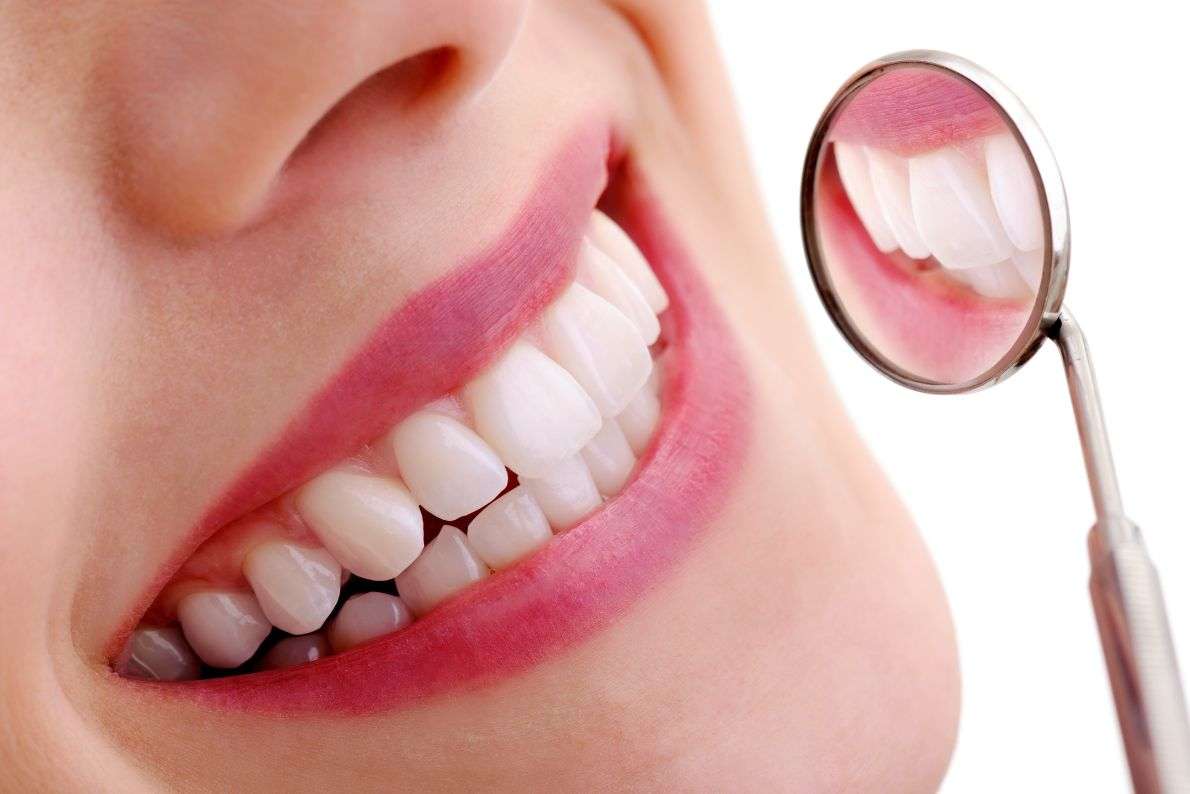
 Staining is a separate but related concern. Composite resin absorbs pigments more readily than porcelain because its polymer matrix is slightly permeable. Tea, coffee, red wine, soy sauce, turmeric, berries and tobacco all contribute to composite staining. Patients who consume large quantities of these regularly without rinsing afterwards or maintaining thorough oral hygiene will notice discolouration developing more quickly. Smoking is particularly harsh on composite bonding, producing yellowing and browning that is difficult to remove through polishing alone and typically requires earlier refinishing or replacement.
 Not all composite bonding is equal, and the longevity of the result is significantly influenced by the skill and experience of the clinician who applies it. Key technical factors include the thoroughness of the etching and bonding process (which determines how strongly the resin adheres to the tooth), the quality of the layering technique (which influences whether the internal structure of the bonding has adequate strength), and the precision of the occlusal adjustment (ensuring that the bonded teeth meet the opposing teeth correctly without creating high spots that concentrate force). A dentist who rushes the process or applies composite in a single thick layer rather than building it up carefully in multiple thinner increments is more likely to produce bonding that is prone to cracking, debonding or rapid wear. Choosing a practice with demonstrable experience in cosmetic composite work is therefore a meaningful factor in how long your results last.
 Is Composite Bonding Maintenance-Free?
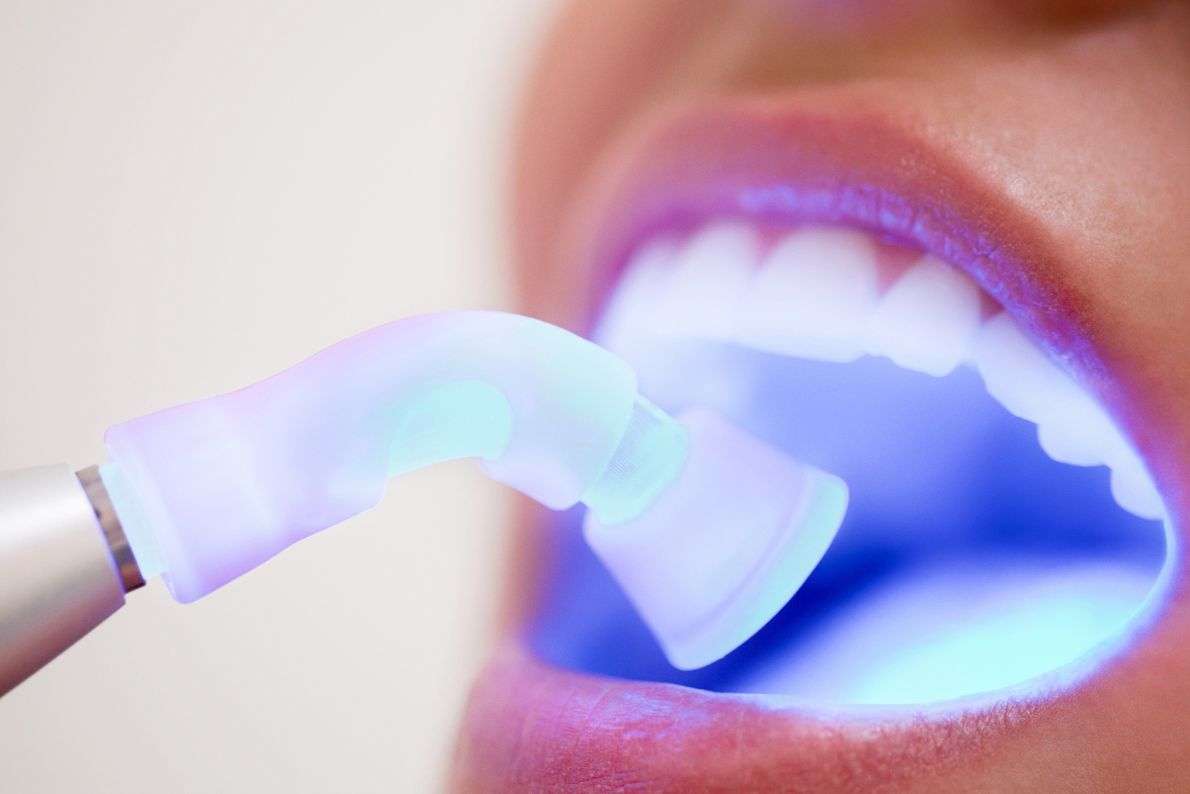
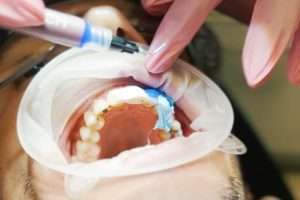
 The journey to composite bonding begins with a consultation. This is not simply an administrative formality — it is a genuinely important clinical and communicative step that shapes the entire treatment. At the consultation, your dentist will examine your teeth and gums thoroughly, check your bite, and take any radiographs that are needed to confirm the underlying health of the teeth to be treated. They will also ask you a series of questions about what you dislike about your smile, what you are hoping to achieve, and what your lifestyle and habits are like. Questions about grinding, diet, smoking, and how often you drink staining beverages are all clinically relevant to whether bonding is suitable and how long it is likely to last in your case.

 What Does Composite Bonding Actually Cost?
 Ultimately, the question of whether composite bonding is worth it comes down to a simple calculation: how much does the concern about your teeth affect your confidence and quality of life, and how does the cost and commitment of treatment compare to the benefit you would gain from addressing it? For most patients with the right indications, the answer is clear: it is absolutely worth it. The combination of minimally invasive technique, fast results, natural-looking outcomes, and a price point that is accessible to most people makes composite bonding one of the best-value cosmetic dental treatments available today.

 A dental hygienist is a registered healthcare professional who specialises in preventive oral care and the treatment of gum disease. During an appointment, the hygienist carries out a thorough assessment of your gum health, measuring pocket depths around each tooth to detect early signs of periodontitis and recording any areas of bleeding or inflammation. She then removes calculus — hardened mineral deposits also known as tartar — from above and below the gumline using a combination of ultrasonic scaling instruments and hand instruments. This is followed by polishing the tooth surfaces to remove staining and disrupt any residual bacterial biofilm. The appointment always concludes with personalised oral hygiene instruction, because the most powerful tool in preventing gum disease is what you do at home each day.
 The hygienist will give you specific, personalised advice at your appointment, but the general principles are consistent: brush for two minutes twice a day using a fluoride toothpaste, clean between your teeth every day using interdental brushes or floss, and attend for professional cleaning at the interval your hygienist recommends. If you notice any new bleeding, swelling, recession, or sensitivity between appointments, contact the practice sooner rather than waiting for your scheduled visit. These can be signs that your gum health has changed and may need prompt attention.

 Does Composite Bonding Hurt?

 1. Early Detection of Problems Before They Become Serious
 Making Regular Visits a Priority

 How Does Composite Bonding Work?
 Who Is a Good Candidate for Composite Bonding?

 Will It Hurt?