

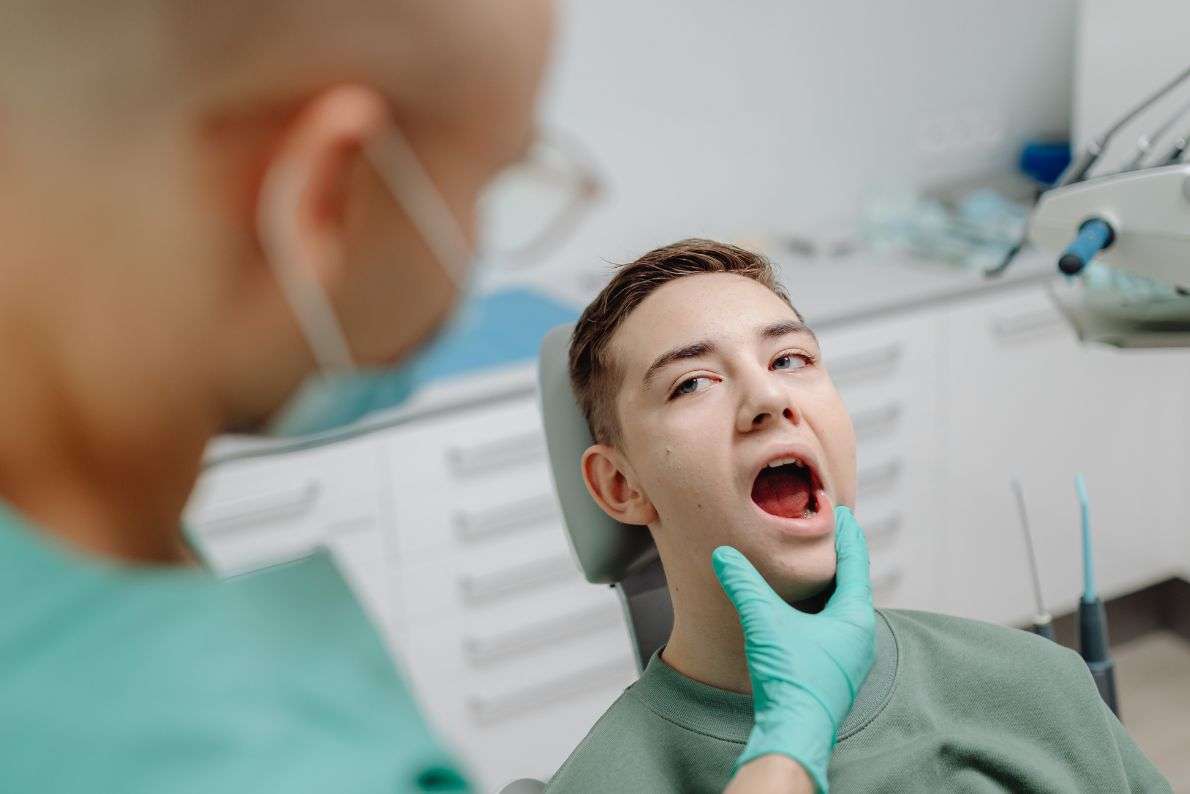
When life gets busy, dental appointments can easily slip down the priority list. If your teeth feel fine and you’re not in pain, it’s tempting to postpone your check-up. However, regular dental examinations are one of the most important steps you can take to protect not only your oral health, but your overall wellbeing too.
 What Is a Dental Check-Up?
 What Is a Dental Check-Up?
A dental check-up is a routine examination carried out by your dentist to assess the health of your teeth, gums and mouth. It’s not just about looking for cavities. A thorough examination checks for a range of potential issues, many of which develop quietly without obvious symptoms.
During a typical check-up, your dentist will:
Examine your teeth for decay or damage
Assess your gums for signs of gum disease
Check existing fillings, crowns or restorations
Look for signs of oral cancer
Assess your bite and jaw alignment
Take X-rays if necessary
These appointments are preventative in nature. Rather than waiting for problems to arise, your dentist aims to detect issues early — often before you even notice them.
Why Regular Dental Check-Ups Are Essential
1. Early Detection of Tooth Decay
Tooth decay rarely causes pain in its early stages. Small cavities can form without any obvious symptoms. By the time discomfort appears, the decay may have progressed significantly, potentially requiring more complex treatment such as root canal therapy or extraction.
Regular examinations allow your dentist to spot decay early, when it can often be treated with a simple filling. Early intervention protects more of your natural tooth and helps avoid costly, invasive procedures later.
2. Preventing Gum Disease
Gum disease is one of the leading causes of tooth loss in adults in the UK. It often begins with mild inflammation (gingivitis), which may cause bleeding when brushing. If left untreated, it can progress to periodontitis, affecting the bone that supports your teeth.
The early stages of gum disease are usually painless, meaning many people are unaware they have it. Routine check-ups and hygiene visits help detect and manage gum disease before it becomes advanced.
Your dentist or hygienist can also provide tailored advice to improve your brushing and flossing technique, helping you maintain healthy gums at home.
3. Oral Cancer Screening
Every routine dental examination includes an oral cancer screening. Your dentist will check your tongue, cheeks, throat and surrounding tissues for any unusual changes.
Early detection of oral cancer dramatically improves treatment outcomes. Because dentists are trained to recognise early warning signs, regular visits play a crucial role in identifying concerns quickly.
4. Protecting Your Overall Health
Your oral health is closely linked to your general health. Research has shown associations between gum disease and systemic conditions such as heart disease, diabetes and stroke.
Inflammation and bacteria from gum disease can enter the bloodstream and contribute to wider health issues. By maintaining good oral hygiene and attending regular check-ups, you reduce your risk of complications that extend beyond your mouth.
5. Saving Money in the Long Term
Preventative care is almost always more affordable than emergency or complex restorative treatment.
For example:
A small filling is simpler and less expensive than a root canal.
Managing early gum disease is easier than treating advanced periodontitis.
Monitoring minor wear or cracks can prevent fractures that require crowns.
Regular check-ups help avoid unexpected dental emergencies and spread out manageable, preventative care over time.
6. Maintaining a Confident Smile
At Essential Dental Care, our dentist doesn’t just focus on health — they also monitor the appearance and function of your teeth.
Routine visits allow early discussion of concerns such as staining, crowding, grinding or minor cosmetic issues. Addressing these promptly helps maintain a smile you feel confident about.
How Often Should You Visit the Dentist?
One of the most common questions patients ask is: “How often should I have a dental check-up?”
In the UK, there isn’t a one-size-fits-all answer. The interval depends on your individual risk factors and oral health history.
According to guidance from the NHS, dental recall intervals can vary between three months and two years, depending on the patient.
You May Need More Frequent Visits If You:
Have a history of gum disease
Frequently develop cavities
Smoke
Have diabetes
Wear braces or complex dental work
Experience dry mouth
Are pregnant
In these cases, your dentist may recommend check-ups every three to six months.
You May Need Less Frequent Visits If You:
Have excellent oral hygiene
Rarely experience dental problems
Maintain a healthy diet
Are considered low risk for decay or gum disease
Some low-risk patients may only need a check-up every 12–24 months.
The key point is that your dentist will personalise your recall schedule based on your specific needs — not a generic rule.
What Happens If You Skip Regular Check-Ups?
Occasionally missing an appointment might not seem significant, but consistently avoiding dental visits can lead to:
Undetected cavities
Advanced gum disease
Tooth infections
Tooth loss
More invasive and costly treatment
Dental pain or emergency situations
Dental problems rarely resolve on their own. Most worsen gradually over time, often without obvious symptoms until the issue becomes more serious. Remember – prevention is far easier than cure.
The Role of Dental Hygiene Appointments
Check-ups and hygiene visits work hand in hand. While the dentist focuses on diagnosing and planning treatment, the dental hygienist removes plaque and tartar build-up that brushing alone cannot eliminate.
Professional cleaning:
Reduces gum inflammation
Lowers the risk of gum disease
Removes staining
Freshens breath
Supports long-term oral health
For many patients, hygiene appointments are recommended every six months, although this may vary depending on gum health.
Dental Check-Ups for Children
 Dental Check-Ups for Children
Establishing routine dental visits early in life sets children up for healthy habits.
Regular check-ups for children:
Monitor tooth development
Identify early signs of decay
Provide preventative treatments such as fluoride
Build confidence in the dental environment
Early positive experiences reduce anxiety and encourage lifelong dental care. Children are often advised to attend every six months, although this may vary depending on their risk level.
Dental Anxiety and Avoiding Appointments
Some patients avoid regular check-ups due to fear or previous negative experiences. If this sounds familiar, you’re not alone. Modern dentistry is far more comfortable and patient-focused than in the past. Dentists understand anxiety and aim to create calm, supportive environments. Simply attending for a routine examination — even without treatment — can gradually build confidence. Open communication is key. Let your dental team know if you feel nervous so they can tailor the appointment to your comfort level.
Signs You Should Book a Check-Up Sooner
Even if you’re not due for a routine visit, book an appointment if you notice:
Persistent tooth pain
Bleeding gums
Swelling in the mouth
Loose teeth
Sensitivity that doesn’t improve
Mouth ulcers lasting longer than three weeks
Prompt attention prevents issues from escalating. Regular dental check-ups are not just routine appointments — they are an essential part of protecting your oral and general health. By detecting problems early, preventing gum disease, screening for oral cancer and offering personalised advice, your dentist helps you maintain a healthy, functional and confident smile.
The ideal frequency of visits depends on your individual needs, but one thing remains true: preventative care is always better than waiting for pain or problems to appear. If it’s been a while since your last check-up, consider booking an appointment. Your future self — and your smile — will thank you.