

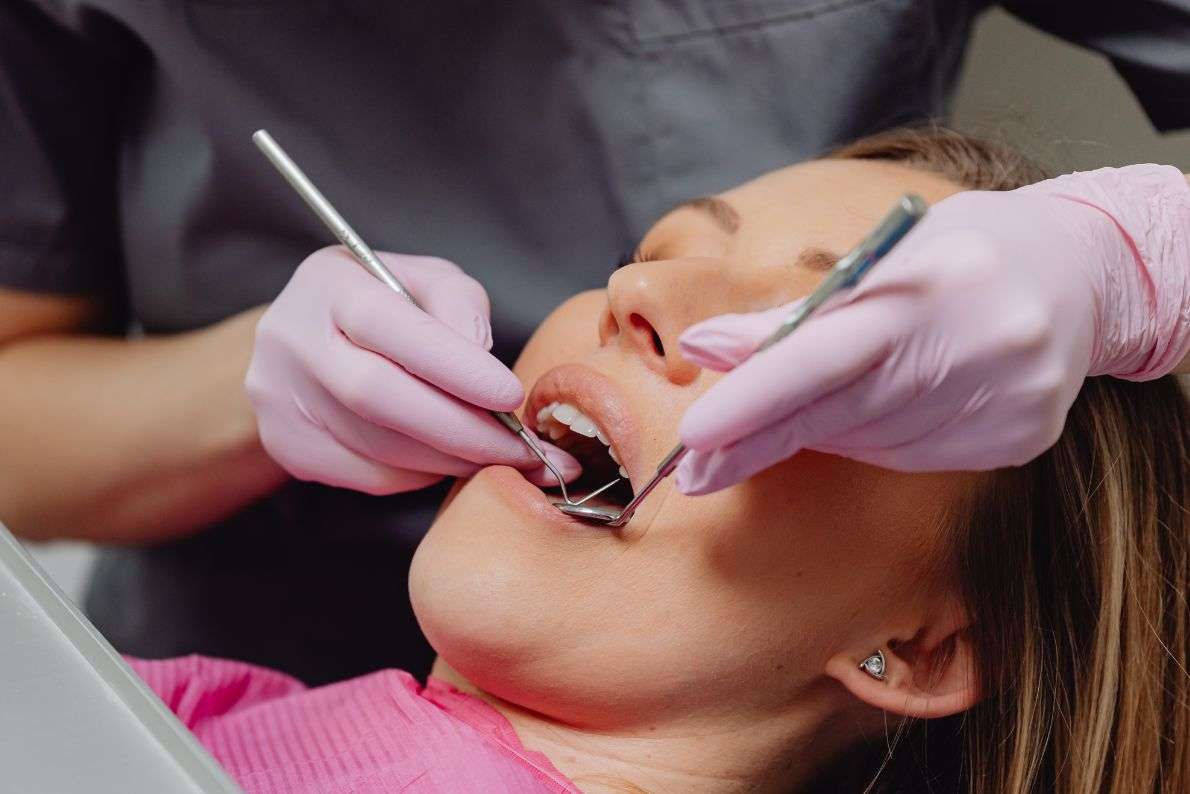
Most of us have sat in a dental waiting room at some point, flicking through a magazine and wondering exactly what’s about to happen when our name is called. Are we in for a thorough scrape and polish, or will the dentist simply peer into our mouth for a few minutes and send us on our way? There’s a surprising amount of confusion around what a dental check-up actually involves compared to a professional clean — and understanding the difference can genuinely help you feel more prepared, less anxious, and far more in control of your own oral health.
 What Happens During a Dental Check-Up?
 What Happens During a Dental Check-Up?
A dental check-up is fundamentally a health assessment. When you sit down in the chair for your check-up appointment, your dentist is working through a structured examination to evaluate the overall condition of your teeth, gums, and mouth. This isn’t just a quick glance — a thorough check-up involves looking for early signs of tooth decay, gum disease, worn enamel, cracked teeth, and any changes in the soft tissues of the mouth, including the tongue, cheeks, and palate.
One aspect that surprises many patients is the oral cancer screening component. Dentists in the UK routinely check the soft tissues of the mouth for any unusual patches, lumps, or lesions. Catching these changes early can be genuinely life-saving, which is one reason why keeping up with regular check-ups matters so much even when your teeth feel perfectly fine.
Your dentist will also assess your bite and jaw function, check any existing fillings, crowns, or other restorations for signs of wear or failure, and may recommend X-rays if they feel a clearer picture of what’s happening beneath the surface would be helpful. By the end of the appointment, you should have a clear understanding of the current state of your oral health and any recommended next steps. According to the NHS: Dental Check-Ups guidance, how often you need a check-up will depend on your individual circumstances — some people benefit from six-monthly visits, while others with very stable oral health may only need to attend once every two years.
What Happens During a Professional Clean?
 What Happens During a Professional Clean?
A professional clean — often referred to as a scale and polish, or in more complex cases, a hygienist treatment — is a hands-on cleaning procedure rather than an assessment. While your toothbrush and floss do an excellent job of removing soft plaque from tooth surfaces day to day, they simply cannot remove hardened tartar (also known as calculus) that has built up over time. Once plaque mineralises into tartar, it bonds firmly to tooth surfaces and can only be removed with specialist dental instruments.
During a professional clean, a dental hygienist or dentist will use a combination of ultrasonic scalers and hand instruments to carefully remove tartar deposits from around and between the teeth, and crucially, from just beneath the gumline. This sub-gingival cleaning is one of the most important parts of the process, as it’s in these hidden areas that harmful bacteria tend to accumulate, triggering the inflammation associated with gum disease.
After the scaling, a polishing step is usually carried out using a mildly abrasive paste and a rotating rubber cup. This removes surface staining from tea, coffee, red wine, and other everyday foods and drinks, leaving the enamel feeling noticeably smoother. A smooth tooth surface is also harder for new plaque to cling to, which helps extend the benefits of the clean going forward. Many patients finish a hygienist appointment with their teeth feeling fresher and looking brighter than they have in months.
Are They Always Separate Appointments?
This is where things can vary quite a bit from practice to practice. In some cases, particularly for patients with straightforward oral health needs, a check-up and a basic scale and polish may be combined into a single appointment. However, in many practices — and for patients with more complex needs — these are kept as separate appointments, each with its own purpose and dedicated time.
If you’ve been referred to a dental hygienist for a course of treatment, particularly for gum disease management, your hygiene appointments may be longer and more frequent than a routine scale and polish, and they will typically sit alongside rather than replace your regular check-ups with the dentist.
A Side-by-Side Comparison
To help clarify the differences at a glance, the table below summarises the key aspects of each appointment type:
| Feature | Dental Check-Up | Professional Clean (Hygienist) |
|---|---|---|
| Primary purpose | Assessment and diagnosis | Cleaning and prevention |
| Carried out by | Dentist | Dental hygienist or dentist |
| Typical appointment length | 20–40 minutes | 30–60 minutes (depending on complexity) |
| Includes X-rays? | Sometimes, if clinically indicated | No |
| Removes tartar build-up? | No | Yes |
| Oral cancer screening? | Yes | No (though hygienists may flag concerns) |
| Typical NHS frequency | Every 6–24 months (based on risk) | As recommended, often every 6–12 months |
Why Both Appointments Matter for Your Long-Term Health
It’s tempting to think of a professional clean as a cosmetic luxury — something nice to have but not strictly necessary. In reality, regular hygienist visits are a cornerstone of preventing gum disease, which remains one of the most common chronic conditions in adults in the UK. Gum disease doesn’t just threaten your teeth; research continues to explore its associations with wider health conditions, including cardiovascular disease and diabetes management. Staying on top of your hygiene appointments is one of the most straightforward things you can do to protect both your mouth and your broader wellbeing.
Similarly, skipping check-ups because your teeth feel fine can lead to problems being caught much later than necessary. Many dental issues — including early-stage decay, gum recession, and even the very early signs of oral cancer — cause little or no discomfort until they’ve progressed significantly. Your dentist’s job at a check-up is partly to find what you can’t feel yet.
Getting the Most Out of Each Visit
 Getting the Most Out of Each Visit
Whether you’re heading in for a check-up or a hygienist appointment, a little preparation makes a real difference to how much value you get from the visit. Consider the following before you attend:
- Make a note of any symptoms you’ve noticed, however minor — sensitivity to cold, bleeding gums, or a spot that won’t heal are all worth mentioning.
- Be honest about your home care routine. Your dentist or hygienist isn’t there to judge; they’re there to help you improve, and they can only tailor their advice if they know what’s actually happening at home.
- Ask about technique. A professional clean is a wonderful opportunity to ask your hygienist to demonstrate the most effective way to floss or use interdental brushes for your particular teeth.
It’s also worth remembering that attending regularly, even when everything seems fine, is always more straightforward — and more cost-effective — than waiting until something becomes uncomfortable. Preventive dental care is genuinely the most efficient use of your time and budget in the long run.