
Category

Bridges

5 Key Benefits of Dental Bridges You Should Know About

5 Key Benefits of Dental Bridges You Should Know About

By Bridges

Tooth loss affects far more than aesthetics. The gap left by a missing tooth creates a chain of consequences — from shifting neighbouring teeth to changes in bite and chewing ability — that can affect oral health for years if left unaddressed. Dental bridges have been one of dentistry’s most reliable solutions to this problem for decades, and their enduring popularity comes down to a combination of practical, cosmetic, and functional advantages that few other treatments can match across the same range of patients.

Understanding the benefits of dental bridges helps you weigh them against alternatives and have a more informed conversation with your dentist about the right path for your smile. Here are five key advantages that make bridges a genuinely compelling option for many patients with missing teeth.

1. A Fixed, Natural-Looking Restoration

One of the most significant benefits of a dental bridge is that it is fixed in place. Unlike a removable partial denture, you do not take it out at night or worry about it shifting when you eat or speak. The bridge is cemented permanently onto the supporting teeth, giving it the feel of a natural part of your mouth rather than an appliance that you are wearing.

Modern bridge materials — particularly all-ceramic and porcelain options — are designed to replicate the appearance of natural teeth with impressive accuracy. The artificial tooth in the middle of the bridge (the pontic) is crafted to match the colour, shape, and size of the surrounding teeth, meaning the restoration blends into the smile almost invisibly. For many patients, the cosmetic result is one of the most immediate and gratifying changes they notice after treatment.

This combination of fixed retention and natural aesthetics makes bridges particularly appealing for teeth in visible areas of the smile, where both function and appearance matter equally.

2. Restored Chewing Function and Comfort

Missing a tooth — even one at the back of the mouth that is not visible — affects how effectively you can chew. The remaining teeth compensate, often unevenly, which places additional stress on specific parts of the jaw and can lead to premature wear. A dental bridge restores the full biting surface of the arch, redistributing chewing forces more evenly and allowing you to eat a wider range of foods comfortably.

Many patients find that they had unconsciously been avoiding certain foods since losing a tooth — anything firm, chewy, or requiring significant bite force. After bridge placement, they are able to enjoy these foods again without discomfort or self-consciousness. This improvement in dietary freedom is a practical benefit that has a genuine positive impact on daily life.

3. Prevention of Tooth Drift and Bite Changes

Teeth are maintained in position partly by the pressure of neighbouring teeth against them. When a gap opens up, the teeth on either side no longer have that contact and will gradually tilt or shift into the space. The opposing tooth in the upper or lower jaw may also begin to over-erupt, moving upward or downward as it loses its counterpart to bite against.

These shifts happen slowly and may go unnoticed for months or years, but their effects accumulate. Changes in the alignment of the bite can lead to jaw discomfort, uneven wear on the enamel of remaining teeth, and make future restorative work more complicated. A bridge placed promptly after tooth loss holds the surrounding teeth in their correct positions and prevents this gradual deterioration.

4. Faster Treatment Timeline Than Implants

For patients who need a replacement tooth within weeks rather than months, bridges offer a significant practical advantage over dental implants. An implant requires a surgical procedure followed by an osseointegration period of three to six months while the titanium post fuses with the jawbone before the crown can be placed. The entire process from surgery to finished tooth typically takes six to nine months.

A dental bridge, by contrast, can usually be completed in two or three appointments over a period of two to three weeks. After the abutment teeth are prepared and impressions taken, the bridge is fabricated by a dental laboratory and then fitted at a follow-up appointment. For patients who have an event coming up, are concerned about prolonged treatment, or simply want a resolution as quickly as possible, this is a meaningful advantage.

5. Long-Term Reliability and Cost-Effectiveness

A well-made and well-maintained dental bridge provides excellent value over its lifespan. According to the NHS dental treatments guide, bridges are a recognised restorative treatment available to patients in need of tooth replacement, and with proper care they can last ten years or longer. Porcelain-fused-to-metal bridges in particular have a long clinical track record with high success rates reported over a decade of use.

When the cost of a bridge is spread across a decade or more of use, the investment becomes highly competitive compared with alternative solutions. Bridges do not require the surgical procedure associated with implants and are generally less costly to place. Whilst eventual replacement is likely to be needed at some point, the maintenance requirements in the intervening years are minimal — primarily good oral hygiene at home and regular dental check-ups.

Summary: Key Benefits at a Glance

BenefitWhat It Means for You
Fixed, natural-looking restorationNo removal needed; blends seamlessly with surrounding teeth
Restored chewing functionEat more comfortably and enjoy a wider range of foods
Prevents tooth driftKeeps neighbouring and opposing teeth in correct position
Faster treatment than implantsComplete in 2–3 weeks rather than 6–9 months
Long-term reliability10+ years with good care; cost-effective over time

Who Is Most Likely to Benefit From a Dental Bridge?

Bridges are particularly well-suited to patients who have one or more missing teeth with healthy, stable teeth on either side of the gap. They are a strong option when those adjacent teeth already have crowns or significant restorations, since the bridge preparation does not remove additional healthy tooth structure beyond what is already compromised. Patients who are not suitable for implants due to insufficient bone, medical factors, or cost constraints often find that a bridge delivers excellent results.

Bridges are also a sensible option for patients who want to avoid surgical treatment entirely. The bridge procedure is carried out under local anaesthetic with no incisions or bone work involved, making it accessible to a broader range of patients including those who feel anxious about more invasive procedures.

A Sixth Benefit Worth Mentioning: Speech Improvement

Whilst the five benefits above cover the main reasons patients choose bridges, there is a sixth advantage that is often overlooked: the improvement in speech that a bridge can bring. Missing teeth — particularly front teeth — affect the way certain sounds are formed. The tongue, lips, and teeth work together to produce speech, and a gap in the dental arch can create an audible difference in how words come out. Some patients develop a slight lisp or notice that particular consonants are harder to form clearly.

A dental bridge fills the gap and restores the normal architecture of the mouth, allowing speech to return to its natural pattern. This improvement often happens quickly once the bridge is fitted, though patients sometimes need a brief adjustment period to get used to the presence of the restoration. For patients whose missing tooth has had an impact on their speech and confidence in conversation, this can be a particularly welcome change.

Caring for Your Bridge to Maximise Its Lifespan

Getting the most from a dental bridge comes down to consistent care. Brushing twice daily and cleaning beneath the pontic using floss threaders or interdental brushes prevents plaque from accumulating around the supporting crowns and gum margin. Attending regular hygiene appointments allows a professional to clean areas that are difficult to reach at home and monitor the health of the supporting teeth and gum tissue. Avoiding habits such as teeth grinding or biting on hard objects protects the bridge from unnecessary stress and helps extend its working life.

It is also worth mentioning that patients who clench or grind their teeth at night — a condition known as bruxism — may benefit from a night guard worn over the bridge to protect it from the additional force this places on the restoration. This is a simple precaution that a dentist can advise on during a routine check-up. Catching any issues early through regular dental visits is the most effective way to ensure a bridge remains in good condition for as long as possible.

At Essential Dental Care, we have helped many patients in Edinburgh restore their smiles with high-quality dental bridges and achieve results that last. If you are considering a bridge and want to find out whether it is the right option for your situation, call us on 0131 229 1806 — our team will be happy to walk you through everything involved.
What Is a Dental Bridge and Is It Right for You?

What Is a Dental Bridge and Is It Right for You?

By Bridges

Losing a tooth can affect far more than your smile. It can change the way you eat, alter how you speak, and gradually shift your remaining teeth out of alignment. Dental bridges have been used for decades as a reliable, fixed solution for replacing one or more missing teeth, and for many patients they offer an excellent balance of function, aesthetics, and value. Understanding what they involve is the first step towards deciding whether they might be right for you.

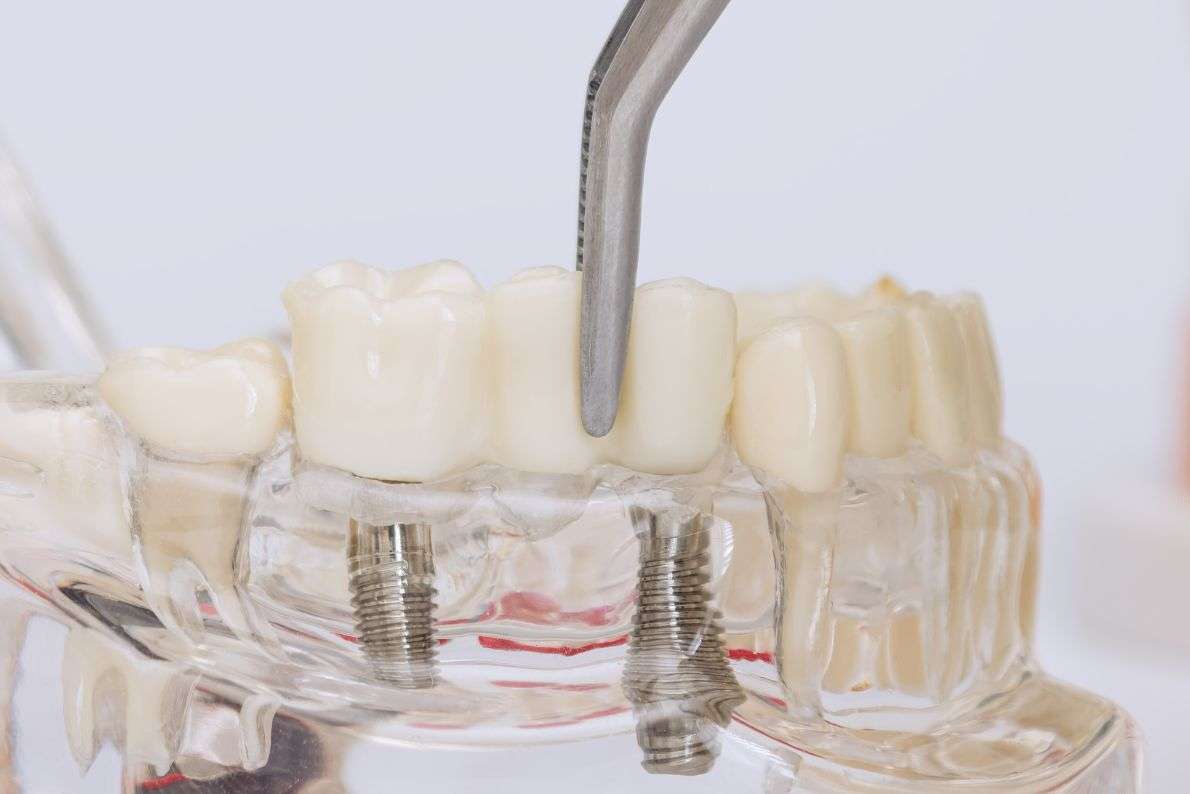
A dental bridge is a fixed prosthetic device that literally bridges the gap left by a missing tooth. It consists of a false tooth — called a pontic — anchored in place by crowns fitted over the teeth on either side of the gap. These supporting teeth are known as abutment teeth. Once fitted, a bridge is cemented permanently in place, meaning it behaves much like a natural tooth and does not need to be removed for cleaning.

The Different Types of Dental Bridge

Not every patient needs the same type of bridge, and your dentist will recommend the most suitable option based on the location of the missing tooth, the condition of your surrounding teeth, and your overall oral health. There are several main types to be aware of.

A traditional bridge is the most common type. It involves placing crowns on the two teeth either side of the gap, with the pontic suspended between them. This is a strong, stable solution suitable for most areas of the mouth, including the back teeth where biting forces are greatest.

A cantilever bridge uses only one abutment tooth for support rather than two. This approach is typically used when there is only one natural tooth adjacent to the gap, or when it is preferable to avoid preparing a healthy tooth on the other side. It is less common for back teeth due to the greater forces involved in chewing.

A Maryland bridge (also called a resin-retained or adhesive bridge) takes a more conservative approach. Instead of crowns, it uses metal or porcelain wings bonded to the backs of the adjacent teeth. Very little preparation of the supporting teeth is required, making it a popular option for front teeth where preserving tooth structure is a priority.

Finally, an implant-supported bridge anchors one or more pontics to dental implants rather than natural teeth. This avoids the need to crown healthy adjacent teeth entirely, though it does involve a surgical procedure and a longer treatment timeline.

How Do You Know If a Bridge Is Right for You?

A dental bridge is likely to be worth considering if you have one or more missing teeth and the neighbouring teeth are healthy enough to support crowns, or if you are not a candidate for dental implants due to insufficient bone volume, medical reasons, or personal preference. Bridges are also generally faster to complete than implants and do not require surgery, which makes them an attractive option for patients who want a fixed result without a prolonged treatment process.

You may not be well suited to a bridge if the adjacent teeth are in poor health and unlikely to support the additional load, or if significant bone loss has already occurred under the gap. In those cases, a partial denture or an implant may be recommended instead. Your dentist will carry out a thorough examination before making any recommendation.

What Are the Benefits of a Dental Bridge?

  • Restores your ability to chew and speak normally
  • Prevents adjacent and opposing teeth from drifting or over-erupting
  • Supports the natural contour of your face, helping to prevent the sunken appearance that can follow tooth loss
  • Fixed in place — no need to remove it at night or for cleaning
  • A well-made bridge can last ten years or longer with good oral hygiene
  • Less invasive than implants, with no surgical procedure required for traditional or Maryland bridges
  • Can be matched closely to the shade of your natural teeth for a natural appearance

Are There Any Drawbacks to Consider?

No dental treatment is without its trade-offs, and it is worth being informed before going ahead. With a traditional bridge, the abutment teeth need to be shaped and prepared to receive crowns, which involves removing some healthy tooth structure. This is a permanent change, so it is not a decision to take lightly. The area under the pontic also requires careful cleaning with floss threaders or interdental brushes to prevent plaque build-up.

Bridges can also become loose or fail over time, particularly if the supporting teeth develop decay or gum disease. Maintaining excellent oral hygiene and attending regular check-ups are essential to getting the most from your bridge.

How Does a Dental Bridge Compare to Other Options?

FeatureDental BridgeDental ImplantPartial Denture
Fixed in placeYesYesNo (removable)
Surgery requiredNoYesNo
Affects adjacent teethYes (traditional/cantilever)NoMinimal
Typical lifespan10+ years15–20+ years5–10 years
Treatment time2–3 weeks3–9 months2–4 weeks
Bone preservationNoYesNo

How Is a Dental Bridge Fitted?

The fitting process typically takes place over two or three appointments. At the preparation visit, the abutment teeth are shaped under local anaesthetic, impressions or a digital scan are taken, and a temporary bridge is placed to protect the teeth while the permanent restoration is made. The laboratory fabricates the bridge over one to three weeks, then at the fitting appointment the temporary bridge is removed and the permanent one is checked for fit, shade, and bite before being cemented into place. Most patients are surprised by how manageable the process feels once they experience it.

What Does the NHS Say About Dental Bridges?

According to NHS guidance on dental treatments, bridges are a fixed replacement for missing teeth and are generally very successful, with 80% of conventional bridges lasting for ten years or more. The NHS also notes that bridges may be available as an NHS treatment in certain clinical circumstances, though many patients choose to have them completed privately for aesthetic or material reasons.

What Happens If You Do Nothing About a Missing Tooth?

Many patients put off tooth replacement, assuming the gap will not cause problems beyond aesthetics. Unfortunately, leaving a missing tooth untreated can set off a chain of events that becomes progressively harder to manage. Without a tooth root in the socket, the jawbone beneath begins to resorb — shrinking gradually over months and years. This can alter the shape of your face and reduce the amount of bone available to support a future implant if you change your mind later.

The teeth on either side of the gap and the tooth directly above or below it are also affected. Without the neighbouring tooth to brace against, they can begin to tilt into the space or over-erupt (grow further out of the gum), which can disrupt your bite and make those teeth harder to clean. In some cases this can lead to increased wear, sensitivity, or the need for orthodontic treatment to realign them. Acting sooner rather than later — whether with a bridge, implant, or partial denture — protects the stability of your whole mouth.

Looking After Your Bridge

Once your bridge is fitted, good maintenance is straightforward but important. Brush twice daily with fluoride toothpaste, and use a floss threader or superfloss to clean underneath the pontic every day. Your dentist may also recommend an interdental brush for the spaces around the abutment teeth. Regular hygienist appointments can help keep the bridge and surrounding gum tissue in good condition.

Avoid habits that could put excessive strain on your bridge, such as chewing very hard foods or using your teeth to open packaging. If you grind your teeth at night, let your dentist know — a custom night guard can protect both your natural teeth and your bridge from unnecessary wear.

Taking the Next Step

At Essential Dental Care, we have helped many Edinburgh patients restore their smiles with well-crafted dental bridges tailored to their individual needs. If you are missing one or more teeth and would like to find out whether a bridge could be the right solution for you, we would be happy to discuss your options at a consultation. Give us a call on 0131 229 1806 to book your appointment — our friendly team will guide you through everything from the first visit to the final fit.

How Long Does Getting a Dental Bridge Take?

How Long Does Getting a Dental Bridge Take?

By Bridges

One of the first practical questions patients ask when considering tooth replacement is how long the whole process takes. The answer depends on several factors, but the good news is that dental bridges are one of the faster fixed restorations available, with most treatments completed within two to four weeks. Understanding the timeline and what each stage involves can help you plan around your work, travel, or other commitments.

Unlike dental implants, which require a surgical procedure followed by months of healing before the final crown can be fitted, dental bridges do not involve surgery. The treatment typically spans two or three clinical appointments, with the majority of the waiting time taken up by the dental laboratory fabricating your custom bridge between visits. From start to finish, most patients have their permanent bridge in place within two to four weeks of beginning treatment.

The Bridge Timeline: An Overview

While individual timelines vary depending on your oral health, the complexity of your case, and how quickly your dental laboratory can turn around the work, the typical sequence of events looks like this:

  • Week 1 — Consultation: Your dentist assesses your suitability for a bridge, takes X-rays, and discusses all your options. A treatment plan and cost estimate are provided.
  • Week 1 or 2 — Tooth preparation: Abutment teeth are shaped, impressions or digital scans are taken, and a temporary bridge is fitted.
  • Weeks 2–3 — Laboratory fabrication: Your permanent bridge is custom-made to match the colour, shape, and bite of your natural teeth.
  • Week 3 or 4 — Fitting appointment: The temporary bridge is removed and the permanent bridge is tried in, adjusted if needed, and cemented into place.

In straightforward cases with no preparatory treatment required, the whole process from first appointment to final fitting can be as short as two weeks. More complex cases — for example, where gum disease needs to be treated first, or where a larger bridge is required — may take longer.

Why Does the Process Involve Multiple Appointments?

The reason a dental bridge cannot simply be fitted in a single visit comes down to the precision required. A bridge is a custom-made restoration that needs to fit perfectly over your prepared teeth, match the colour of your natural smile, and allow you to bite and chew comfortably. Achieving this requires a dental laboratory to fabricate the bridge from detailed impressions or digital scans — a process that typically takes one to two weeks.

Some practices now use CAD/CAM technology (computer-aided design and manufacturing) which allows certain bridge types to be designed and milled in-house on the day of the appointment. This can reduce the number of visits required and shorten the overall treatment time significantly. Ask your dentist whether same-day options are available at their practice if minimising appointment frequency is a priority for you.

How Long Does Each Appointment Take?

AppointmentTypical DurationWhat Happens
Consultation30–45 minutesExamination, X-rays, discussion of options, treatment planning
Tooth preparation60–90 minutesAbutment teeth shaped under local anaesthetic; impressions or scan taken; temporary bridge fitted
Bridge fitting45–60 minutesTemporary bridge removed; permanent bridge checked and adjusted; cemented in place
Follow-up (if required)15–20 minutesBite and comfort checked; minor adjustments made if needed

Does the Type of Bridge Affect the Timeline?

Yes, to some extent. The type of bridge being fitted influences how much preparation work is needed and how complex the laboratory fabrication is.

Traditional Bridge

A traditional bridge involves preparing two abutment teeth and having three or more units fabricated by the laboratory. The preparation appointment is typically the longest of the process, but the overall timeline is similar to other bridge types — usually two to four weeks in total.

Maryland (Adhesive) Bridge

Because a Maryland bridge requires minimal tooth preparation, the preparation appointment is shorter and more straightforward. The laboratory still needs to fabricate the bridge, so the total timeline is similar, but the preparation stage itself is less involved.

Implant-Supported Bridge

This is where the timeline extends considerably. An implant-supported bridge requires the surgical placement of titanium implants, which then need to integrate with the jawbone over a period of three to six months before the bridge can be attached. The final restoration stage then follows a similar process to a conventional bridge. In total, the treatment from implant placement to final fitting can take six to twelve months depending on the patient’s healing rate and the complexity of the case.

What Could Extend the Timeline?

Several factors can add time to the process. Active gum disease or tooth decay in the supporting teeth must be treated before a bridge can be placed, and this may require one or more additional appointments. Patients who have been missing a tooth for some time may also have experienced bone resorption or gum recession that needs to be assessed and potentially addressed beforehand.

In addition, if the laboratory needs to remake any part of the bridge due to fit issues — though this is uncommon with experienced technicians and thorough clinical impressions — this will add further time. Your dentist will do everything they can to ensure the bridge fits correctly at the try-in stage to avoid delays.

Will You Need Time Off Work?

Most patients do not need to take time off work for bridge treatment. The preparation appointment involves local anaesthetic, so you may feel some numbness for a couple of hours afterwards, and mild sensitivity in the days that follow is possible. However, most people return to normal activities the same day. If your work involves a lot of public speaking or client interaction and you feel self-conscious about the temporary bridge, you may prefer to schedule the preparation appointment on a day before a day off — but this is a personal preference rather than a clinical necessity.

How Long Does a Bridge Last Once Fitted?

While this article focuses primarily on how long the treatment takes to complete, it is worth noting how long the result can last. According to NHS guidance on dental treatments, 80% of conventional bridges remain successful for ten years or more. With diligent home care — including daily cleaning beneath the pontic using superfloss or a floss threader — and regular professional check-ups, many patients find their bridge lasts considerably longer than this.

The investment of two to four weeks and a handful of appointments can therefore yield a decade or more of restored function and confidence in your smile.

Can the Process Be Sped Up?

There are a few practical ways to keep the overall treatment timeline as short as possible. Attending all appointments promptly and responding quickly to any requests for confirmation or paperwork helps avoid unnecessary delays. If your practice uses digital scanning rather than traditional impressions, the accuracy of the scan can reduce the likelihood of a remake, which is one of the more common causes of extended timelines.

Ensuring your oral health is in good condition before you start is perhaps the single most effective thing you can do. Patients who keep up with regular check-ups and hygienist appointments are less likely to need preparatory treatment before a bridge can be placed, which can shave weeks off the overall process. If you know you are considering a bridge, raising it at your next routine appointment gives your dentist the opportunity to flag and address any potential obstacles early.

What Should You Do While Waiting for Your Permanent Bridge?

The gap between the preparation appointment and the fitting appointment — typically one to two weeks — is spent wearing a temporary bridge. This temporary restoration is functional and presentable, but requires a little care. Stick to softer foods during this period and be gentle when cleaning around it. Avoid very sticky foods such as toffees or chewing gum, which could dislodge the temporary cement.

If the temporary bridge comes loose before your scheduled fitting appointment, contact your dental practice promptly. Leaving the prepared abutment teeth exposed is uncomfortable and can make the permanent bridge more difficult to fit if the teeth shift position slightly. Most practices will see you quickly to re-cement a dislodged temporary bridge at no extra charge.

Planning Your Treatment

If you are considering a dental bridge and want to understand exactly how the timeline fits with your schedule, the best starting point is a consultation. At Essential Dental Care, we will assess your situation, explain the process in full, and give you a clear idea of what to expect at every stage. Most patients are pleasantly surprised by how straightforward the process is. Call us on 0131 229 1806 to book your appointment — we will take care of the rest.

The Complete Guide to Dental Bridges in Edinburgh

The Complete Guide to Dental Bridges in Edinburgh

By Bridges

Replacing a missing tooth is one of the most important things you can do for your long-term dental health. Left untreated, a gap in your smile can cause neighbouring teeth to tilt or drift, alter your bite, and lead to bone loss in the jaw over time. Dental bridges have been a trusted solution to this problem for generations, offering a fixed, natural-looking replacement that restores both function and appearance. This guide covers everything you need to know about dental bridges — from the different types available to the treatment process, aftercare, and how to decide whether a bridge is the right option for your situation.

Dental bridges work by anchoring a false tooth (or teeth) to the natural teeth or implants on either side of the gap. The false tooth is known as a pontic, and the supporting teeth are called abutment teeth. When the bridge is cemented into place, it forms a seamless, fixed restoration that functions and feels like a natural tooth.

Types of Dental Bridge

There is no one-size-fits-all solution when it comes to bridges. The right type for you will depend on where the missing tooth is located, the condition of your neighbouring teeth, and your personal preferences. Here is an overview of the main options.

Traditional Dental Bridge

This is the most widely used type. The abutment teeth on either side of the gap are prepared and fitted with crowns, which hold the pontic firmly in place. Traditional bridges are strong and stable, making them suitable for both front and back teeth. The main consideration is that the abutment teeth require reshaping, which is a permanent change.

Maryland (Resin-Retained) Bridge

A Maryland bridge uses a framework with metal or tooth-coloured wings bonded to the backs of the adjacent teeth, rather than full crowns. This means very little tooth preparation is needed, making it a more conservative option. It is most commonly used for front teeth where the biting forces are lower. The trade-off is that it may not be as strong as a traditional bridge in areas of high chewing pressure.

Cantilever Bridge

Where only one suitable abutment tooth is available, a cantilever bridge can be used. This attaches the pontic to a crown on just one side. It is used less frequently than traditional bridges because the single anchor point places greater stress on the supporting tooth, but it remains a useful option in the right clinical circumstances.

Implant-Supported Bridge

Rather than relying on natural teeth for support, an implant-supported bridge is anchored to one or more titanium implants placed in the jawbone. This approach preserves the surrounding natural teeth and also helps maintain bone density in the jaw. It requires a surgical procedure and a longer treatment timeline, but is considered the gold standard for replacing multiple missing teeth in a fixed way.

The Dental Bridge Procedure: Step by Step

Understanding what is involved in getting a bridge can help you feel prepared and confident going into treatment. The process typically unfolds over two to three appointments.

StageWhat HappensTypical Timing
1. Consultation & AssessmentX-rays taken; oral health assessed; treatment options discussed; personalised quote providedFirst appointment
2. Tooth PreparationAbutment teeth shaped under local anaesthetic; impressions or digital scan taken; temporary bridge fittedSecond appointment
3. Laboratory FabricationYour permanent bridge is custom-made by a dental technician to match your natural teeth1–3 weeks (between appointments)
4. Bridge FittingTemporary bridge removed; permanent bridge checked for fit, bite, and shade; cemented into placeThird appointment
5. Follow-upOptional check-up to ensure the bridge is comfortable and settling wellA few weeks after fitting

Will It Hurt?

The preparation stage is carried out under local anaesthetic, so you should not feel any pain during the procedure itself. Some sensitivity around the prepared teeth is normal in the days following each appointment, particularly to temperature, but this usually settles quickly. Over-the-counter pain relief is generally sufficient if needed. If you experience prolonged discomfort after the bridge is fitted, contact your dentist to check the bite is correctly adjusted.

How Long Will a Bridge Last?

According to NHS dental treatment guidance, 80% of conventional bridges last for ten years or more with relatively minor complications. Adhesive (Maryland) bridges are slightly less durable on average, with around 80% lasting five years or longer. How long your bridge lasts will depend largely on the quality of the fabrication, how well it is maintained, and whether the supporting teeth remain healthy.

Habits that put extra stress on your teeth — such as grinding, chewing ice, or biting nails — can shorten the life of a bridge. If you know you grind at night, your dentist may recommend a custom occlusal splint to protect your restoration.

Caring for Your Dental Bridge

A bridge requires a slightly different approach to oral hygiene than natural teeth, primarily because of the need to clean underneath the pontic. Here is how to keep your bridge in excellent condition:

  • Brush twice daily with fluoride toothpaste, paying close attention to the margins where the crowns meet the gumline
  • Use a floss threader or superfloss daily to clean beneath the pontic — this prevents plaque accumulating in an area that regular floss cannot reach
  • Consider using an interdental brush for cleaning around the abutment teeth
  • Attend regular dental check-ups and hygienist appointments — your hygienist can clean areas that are difficult to reach at home
  • Avoid very hard or sticky foods that could dislodge or damage the bridge
  • Inform your dentist if the bridge feels loose, uncomfortable, or if your bite changes

Bridge vs. Implant: Which Should You Choose?

Both bridges and implants are excellent options for replacing missing teeth, and the best choice depends on your individual circumstances. Implants are the only option that preserves the jawbone beneath the gap and does not require any preparation of adjacent teeth. However, they involve surgery, a longer treatment timeline, and a higher initial cost. Bridges, by contrast, are faster to complete, do not require surgery, and typically cost less upfront — though they do involve reshaping the neighbouring teeth.

For patients who already have crowns or large fillings on the adjacent teeth, a traditional bridge can be a very practical choice since those teeth would benefit from crowning regardless. For patients with healthy, intact neighbouring teeth, the decision involves more consideration of the long-term impact. Your dentist can help you weigh up the specific pros and cons for your situation.

How Do You Clean Under a Dental Bridge?

Cleaning under the pontic is one of the most important aspects of long-term bridge maintenance, and it is an area where many patients are unsure what to do. Ordinary flossing will not work in the usual way because the pontic sits directly against the gum. Instead, you will need to use a floss threader — a stiff-ended loop that allows you to thread floss under the bridge and sweep it back and forth along the gum beneath. Superfloss, which has a stiffer threader tip built in, is an easier alternative. An oral irrigator (water flosser) can also be very effective for flushing debris from beneath the pontic.

Building this into your daily routine from the day the bridge is fitted is the single best thing you can do to extend its lifespan. Plaque that accumulates beneath the pontic can cause gum inflammation and, over time, gum disease in the abutment teeth — which is one of the most common reasons bridges need replacing earlier than expected.

Who Is a Good Candidate for a Dental Bridge?

Most adults who are missing one or more teeth and have healthy surrounding teeth and gums are suitable candidates for a bridge. You will need enough bone and tooth structure to support the abutment crowns, and your gum health should be in good condition before treatment begins. Any active gum disease or decay in the supporting teeth will need to be resolved first to ensure the bridge has the best possible foundation.

Getting Started in Edinburgh

At Essential Dental Care, we provide dental bridges for patients across Edinburgh, taking care to ensure each restoration is comfortable, well-fitted, and natural-looking. Whether you need a simple Maryland bridge for a front tooth or a more extensive restoration involving multiple units, our team will take the time to understand your needs and recommend the most suitable option. To book a consultation, call us on 0131 229 1806 — we will be happy to answer any questions and help you take the first step towards a complete, confident smile.

How Long Does a Dental Bridge Last What to Expect - Essential Dental Care

How Long Does a Dental Bridge Last? What to Expect

By Bridges

One of the first things patients ask when considering a dental bridge is how long it will last. It is a completely reasonable question — a bridge is a significant investment in your oral health, and you want to know what you can realistically expect over the years ahead. The honest answer is that most well-made dental bridges last between 10 and 15 years, and with excellent care many last considerably longer than that.

Longevity is not simply a matter of the bridge material, though that plays a role. The health of the supporting teeth, your bite, your cleaning habits, and how regularly you attend dental check-ups all interact to determine how long your bridge performs well. Understanding these factors helps you make active choices that protect your bridge for as long as possible.

Average Lifespan by Bridge Type

Different bridge designs and materials come with different expected lifespans. The table below gives a general guide, though your individual circumstances will always influence the outcome:

Bridge TypeTypical LifespanKey Factor Affecting Longevity
Traditional porcelain-fused-to-metal10–15 yearsCondition of abutment teeth
All-ceramic / zirconia10–20+ yearsBite forces and cleaning routine
Maryland (resin-bonded)5–12 yearsBond strength and bite load
Implant-supported bridge15–25+ yearsBone health and hygiene around implants
Cantilever bridge8–12 yearsLeverage forces on single abutment

What Affects How Long a Bridge Lasts?

Several factors combine to determine whether your bridge reaches the lower or upper end of its expected lifespan — or surpasses it entirely.

The Health of the Abutment Teeth

A conventional bridge relies on the teeth on either side of the gap (the abutment teeth) to carry the load. If those teeth develop decay, gum disease, or structural problems, the bridge is at risk. Maintaining excellent hygiene around these teeth and attending regular check-ups gives your dentist the chance to spot early signs of trouble before they affect the bridge.

Your Bite and Grinding Habits

Heavy bite forces — particularly from grinding or clenching teeth (bruxism) — accelerate wear on any restoration. If you grind your teeth at night, your dentist may recommend a custom nightguard to protect the bridge. Patients who clench or grind heavily may find their bridge shows signs of wear earlier than average without this protection.

The Quality of the Bridge Itself

A bridge made from high-quality materials by an experienced dental laboratory, fitted precisely by a skilled dentist, will outperform a poorly made one. This is not an area to cut corners on. The fit, the contact points, and the shape of the bridge all affect how it wears and how easy it is to keep clean.

Your Oral Hygiene Routine

Plaque that accumulates beneath the pontic (the artificial tooth) and around the margins of the crowns can cause decay in the underlying teeth and gum disease. Once the abutment tooth is compromised by decay, the bridge may fail even if the bridge itself is in perfect condition. Cleaning beneath the bridge daily with a floss threader, superfloss, or interdental brushes is essential maintenance.

Dietary Habits

Regularly chewing very hard foods — ice, boiled sweets, hard crusts — places excessive stress on a bridge. Sticky foods can also place unusual lateral forces on a restoration. Moderate these habits and your bridge will thank you for it.

Signs That a Bridge May Need Replacing

A bridge rarely fails without warning. Watch out for the following signs that something may need attention:

  • Sensitivity or pain in or around the abutment teeth, which may indicate decay beneath the crown margin
  • Visible gaps at the margin where the crown meets the tooth, suggesting the cement has washed out
  • A change in bite — if the bridge suddenly feels higher or lower than usual, it may have shifted
  • Gum recession around the crowns, exposing the root surfaces
  • Chipping or cracking of the porcelain surface, especially near the bite edges
  • Bad taste or odour that persists despite thorough cleaning, which can indicate a failing cement seal

If you notice any of these, contact your dentist promptly. Catching a problem early often means it can be resolved without replacing the entire bridge.

Can a Dental Bridge Be Repaired?

Minor chips to the porcelain can sometimes be polished or repaired with composite resin. However, if the underlying structure of the bridge is compromised or if an abutment tooth has decayed significantly, a full replacement is usually necessary. Your dentist will assess what is possible and give you honest guidance on the best course of action.

How to Make Your Bridge Last as Long as Possible

The habits that protect your natural teeth protect your bridge too. A consistent routine makes a real difference:

  • Brush twice a day with a fluoride toothpaste, using a soft-bristled brush
  • Clean beneath the bridge every day using superfloss, a floss threader, or interdental brushes
  • Attend regular dental check-ups and hygiene appointments — typically every six months
  • Wear a nightguard if you grind or clench your teeth
  • Avoid using your teeth to open packaging, bite nails, or chew pens
  • Limit sugary foods and drinks that increase the risk of decay in the abutment teeth

What Happens When a Bridge Reaches the End of Its Life?

When a bridge does eventually need replacing, it does not necessarily mean starting from scratch. In many cases, the abutment teeth can be prepared again and a new bridge fitted, though your dentist will reassess whether the supporting teeth remain suitable. If the abutment teeth have been significantly compromised, a dental implant may be recommended as a longer-term alternative.

It is worth noting that dental bridge technology has improved substantially over the years. A replacement bridge fitted today is likely to be made from better materials and with greater precision than one placed 15 years ago. Patients who replace an older bridge often find the new one looks and feels noticeably superior.

The Role of Your Dentist and Hygienist

Your dental team plays a central role in prolonging the life of your bridge. At each check-up, the dentist will assess the margins of the crowns, look for early signs of decay in the abutment teeth, and check that the bridge is still seated correctly. X-rays may be taken periodically to examine what is happening beneath the gum line and at the root level of the abutment teeth — areas that cannot be assessed visually.

Your dental hygienist is equally important. Professional scaling removes tartar build-up in the areas beneath and around the bridge that home cleaning tools cannot reach. Tartar — hardened plaque — cannot be removed with a toothbrush alone. Once it accumulates at the gum line and beneath the pontic, it creates the ideal conditions for gum disease to develop. Regular hygiene appointments, typically every six months, keep these areas clean and give the hygienist the chance to review and refine your home cleaning technique.

Replacing an Older Bridge: What to Expect

If you have an existing bridge that is approaching the end of its natural lifespan, it is worth booking a review appointment to have it assessed proactively. Signs of ageing in a bridge include slight movement or looseness, a change in bite, visible staining at the margins, and sensitivity in the supporting teeth. Replacing a bridge before it fails completely tends to be more straightforward than managing a failure — the abutment teeth are usually in better condition and have a better prognosis for supporting the new restoration.

In some cases, a dentist may suggest that a dental implant is the better long-term option when replacing an old bridge, particularly if one of the abutment teeth has been compromised. This is an important discussion to have, and a good dentist will present all the options honestly rather than simply recommending like-for-like replacement.

Regular Check-ups Are the Key

The single most important thing you can do to protect the life of your bridge is attend regular dental appointments. Your dentist can check the margins, assess the supporting teeth, spot early decay, and identify wear before it becomes a significant problem. The NHS provides helpful guidance on the importance of regular dental check-ups and treatments for maintaining good oral health throughout life.

At Essential Dental Care, we take pride in fitting bridges that are built to last. Whether you are considering a bridge for the first time or looking after one that was placed years ago, our team is here to help you keep it in the best possible condition. Give us a call on 0131 229 1806 to book a check-up or discuss your options — we are always glad to help.

The Latest Advances in Dental Bridge Treatment in Edinburgh

The Latest Advances in Dental Bridge Treatment in Edinburgh

By Bridges

Dental bridge treatment has been refined considerably over the past decade. Where patients once had limited choices in materials and relied entirely on physical impressions that could introduce inaccuracies, today’s approaches are faster, more precise, and capable of producing results that are genuinely difficult to distinguish from natural teeth. For anyone considering dental bridges in Edinburgh, understanding what modern technology makes possible is well worth knowing before you begin.

The fundamentals of a bridge have not changed — a false tooth (the pontic) is held in place by crowns fitted over the teeth on either side of the gap. What has changed is virtually everything else: the way data is captured, the materials used to fabricate the bridge, the precision of the fit, and the long-term durability of the result. Contemporary dental bridge technology represents a meaningful improvement for patients in terms of comfort, aesthetics and longevity.

Digital Impressions and Intraoral Scanning

Traditional impressions involved placing a tray of setting material in the mouth to create a physical mould of the teeth — a process many patients found uncomfortable, particularly those with a strong gag reflex. Intraoral scanning technology has largely replaced this for bridge fabrication in modern practices.

An intraoral scanner is a small wand that captures thousands of images per second as it moves around the mouth, generating a highly accurate three-dimensional digital model of the teeth in real time. The model can be inspected on screen immediately, ensuring sufficient detail has been captured before the patient leaves the chair. This digital file is then transmitted directly to the dental laboratory, eliminating the risk of physical distortion during posting or storage.

Patients consistently report that digital scanning is more comfortable than traditional impressions. The removal of the setting material tray reduces the risk of triggering a gag reflex, and the whole process is typically faster.

CAD/CAM Technology and Same-Day Bridges

Computer-aided design and computer-aided manufacturing (CAD/CAM) has transformed how dental restorations are fabricated. As detailed in the Wikipedia article on CAD/CAM dentistry, this technology allows bridges to be designed digitally and then milled with high precision from a solid block of ceramic, zirconia or composite material.

In practices equipped with an in-house milling unit, this can dramatically reduce turnaround times. What previously required two or three appointments spread over two or three weeks can in some cases be completed in a single extended visit. The digital design process also allows for greater predictability — the dentist can review and adjust the virtual bridge before any milling begins, reducing the chance of adjustments at the fitting stage.

Zirconia: Strength and Natural Aesthetics Combined

Zirconia has become one of the most widely used materials in modern bridge fabrication, and for good reason. Traditional porcelain-fused-to-metal (PFM) bridges, while durable, can show a dark line at the gum margin as the metal substructure becomes visible over time. Zirconia is tooth-coloured throughout, meaning there is no metal to show through.

Beyond aesthetics, zirconia offers exceptional mechanical strength — it is resistant to chipping and fracture, which makes it particularly suitable for bridges in the molar region where biting forces are greatest. Modern translucent zirconia formulations have addressed earlier concerns about the material looking flat or opaque, producing results that closely mimic the natural translucency of tooth enamel.

For anterior (front tooth) bridges, lithium disilicate ceramic — sold under the brand name e.max — remains a popular choice. This material combines excellent strength with outstanding light-transmission properties, producing bridges that are virtually indistinguishable from natural teeth in both colour and translucency.

Advances in Resin-Retained (Maryland) Bridges

The Maryland bridge — a design where the false tooth is supported by metal or ceramic wings bonded to the backs of adjacent teeth rather than full crowns — has also benefited from material advances. Older metal-wing designs occasionally caused visible shadowing through the enamel of the supporting teeth. All-ceramic and zirconia wing designs address this problem, giving a natural appearance while avoiding the need to drill down the abutment teeth significantly.

Improved adhesive bonding systems have also extended the lifespan of resin-retained bridges, which were historically prone to debonding. Contemporary ceramic bonding protocols, when followed carefully, produce a reliable and long-lasting attachment — making this a more viable option than it was a decade ago, particularly for younger patients or cases where preserving natural tooth structure is a priority.

Improved Planning with Digital Workflows

Beyond scanning and milling, digital technology now enables full treatment planning on-screen before any preparation begins. Software can simulate how the finished bridge will look, assess the bite in three dimensions, and identify potential issues with the occlusion (how the upper and lower teeth meet) before any treatment takes place.

Some practices use facial scanning or photographic analysis to plan the shape and shade of a bridge that will complement the patient’s individual features — not simply match the adjacent teeth, but harmonise with the overall smile. This level of planning was simply not possible with analogue workflows.

Comparing Modern Bridge Materials

MaterialKey StrengthsBest ForLongevity
ZirconiaExceptional strength, tooth-coloured, no metal marginPosterior and anterior bridges15+ years with good care
Lithium disilicate (e.max)Outstanding aesthetics, natural translucencyAnterior bridges, visible teeth10–15 years
Porcelain fused to metal (PFM)Long track record, strongBack teeth; budget-conscious private cases10–15 years
All-ceramic (zirconia wing) MarylandMinimal tooth preparation, no shadowingSingle anterior tooth, younger patients7–12 years

Implant-Supported Bridges

For patients replacing multiple missing teeth, implant-supported bridges represent the current gold standard. Rather than relying on natural abutment teeth — and therefore requiring those teeth to be shaped and crowned — an implant-supported bridge is anchored by titanium implants placed directly into the jawbone. This preserves the adjacent natural teeth entirely and, because the implants integrate with the bone, provides stimulation that helps prevent bone resorption.

While implant placement involves a more involved treatment process and greater initial cost, the long-term outcome for suitable patients is excellent. Advances in implant surface technology and guided implant placement using digital surgical planning have made this option more predictable and accessible than it was even five years ago.

Improved Cementation and Bonding Systems

Advances in dental materials science extend beyond the bridge itself to the cements and adhesives used to secure it. Resin cements now offer substantially stronger bond strengths than the zinc phosphate and glass ionomer cements that were standard in earlier generations of bridge work. For ceramic bridges in particular, appropriate surface preparation — including etching and silanation of the ceramic surface — combined with a modern dual-cure resin cement creates a bond that is far more resistant to microleakage and debonding than was achievable even fifteen years ago.

This matters for patients because the margins where the crown meets the tooth are a common site for secondary decay. Better cementation means a tighter seal at those margins, reducing the risk of bacteria infiltrating beneath the bridge and attacking the underlying tooth structure. It is one of those background advances that does not make for dramatic marketing, but has a real impact on how long a bridge remains trouble-free in everyday use.

Digital Communication Between Dentist and Laboratory

The relationship between a dental practice and its laboratory has also been transformed by digital technology. In the past, physical impressions were posted to a laboratory, which introduced delays and occasional distortions if the impression material shifted during transit. Today, digital scan files are sent electronically — often in a matter of minutes — along with photographs, shade guides and detailed notes. The technician can review all relevant information in full before beginning fabrication, and can communicate directly with the practice if any aspect of the prescription is unclear.

Some practices and laboratories use shared digital platforms that allow the technician to share a 3D model of the proposed bridge before manufacture, giving the dentist the opportunity to request adjustments to the shape or emergence profile before the bridge is milled or cast. This level of collaboration was simply not possible with analogue workflows, and it reduces the chance of a bridge needing significant chairside adjustment at the fitting stage.

What This Means for You as a Patient

The practical implication of all these advances is straightforward: modern bridges look better, fit better, and last longer than they did in the past. Patients who had a bridge placed ten or more years ago and are considering a replacement will notice a marked difference in both the process and the result available to them today.

At Essential Dental Care, we keep up with advances in restorative materials and techniques so our patients in Edinburgh benefit from the best that modern dentistry offers. Whether you need your first bridge or are considering replacing an older one, our team will talk you through the options available and what they mean for your specific case. Call us on 0131 229 1806 to arrange a consultation.

What to Expect from Dental Bridges at Your Edinburgh Dentist

What to Expect from Dental Bridges at Your Edinburgh Dentist

By Bridges

Knowing what to expect from a dental procedure makes the whole experience considerably easier. Whether you are considering tooth replacement for the first time or simply want to understand the process before committing, having a clear idea of what each appointment involves will help you feel prepared and at ease. Dental bridges are one of the most straightforward fixed restorations in dentistry, and the process is well-established and predictable. This article walks you through the full experience from consultation to aftercare.

The prospect of dental treatment can feel daunting, but dental bridges are a routine procedure that most patients find far less involved than they anticipated. The treatment is typically completed across two to three appointments over a period of two to four weeks, and you will have a temporary bridge in place throughout the process so the gap is never left exposed.

Your First Appointment: Consultation and Assessment

The process begins with a thorough examination. Your dentist will take X-rays to assess the health of your jawbone and the teeth surrounding the gap. They will check for any signs of gum disease or decay that would need to be addressed before a bridge could be placed, and will discuss all available options with you — including bridges, implants, and partial dentures.

At this stage, your dentist will explain which type of bridge they recommend for your particular situation and why. If a traditional bridge is being considered, they will explain the need to prepare the adjacent teeth and what that involves. You will receive a written treatment plan and a clear cost breakdown so you know exactly what you are agreeing to before any treatment begins. This is also your opportunity to ask as many questions as you need — a good dentist will never rush this part of the process.

Preparatory Treatment

In some cases, preparatory work is needed before the bridge can be placed. This might include treating gum disease, filling or extracting a failing tooth, or simply ensuring your overall oral health is stable enough to support the restoration. Skipping this stage is false economy — a bridge placed on unhealthy foundations is unlikely to last as long as it should.

Your dentist may also take impressions or digital scans at this stage so the laboratory can begin planning the bridge ahead of your preparation appointment.

Tooth Preparation Appointment

This is often the appointment patients feel most apprehensive about, but it is typically more straightforward than expected. The abutment teeth — those on either side of the gap — are carefully reshaped under local anaesthetic to create room for the crowns that will anchor the bridge. The amount of tooth structure removed depends on the type of bridge being fitted; a Maryland adhesive bridge requires very little preparation, while a traditional bridge involves more significant reshaping.

Once the teeth are prepared, your dentist will take a detailed impression or digital scan of the area. This information is sent to a dental laboratory where your custom bridge will be fabricated. At the end of this appointment, a temporary bridge is placed over the prepared teeth to protect them and maintain the appearance of your smile while you wait for the permanent restoration to be made.

What Is It Like to Wear a Temporary Bridge?

Temporary bridges are designed to be functional and aesthetically acceptable, though they will not feel quite as polished as your permanent restoration. They are made from a lighter material and are not cemented as firmly, so you should be careful with what you eat during this period. Avoid sticky or hard foods, and be gentle when flossing around the temporary bridge to avoid dislodging it.

Some sensitivity around the prepared teeth is entirely normal in the days following preparation. This usually settles within a week or so. If sensitivity is severe or prolonged, contact your dentist so they can assess the situation.

The Fitting Appointment

When your permanent bridge returns from the laboratory — usually within one to three weeks — you will come in for the fitting appointment. Your dentist will first remove the temporary bridge and thoroughly clean the prepared teeth before placing the permanent restoration.

The bridge will be checked carefully for fit, shade, and bite before it is permanently cemented. This checking stage is important — minor adjustments can be made at this point, but once the bridge is cemented, significant changes are not possible without remaking it. Your dentist will ask you to bite down on articulating paper to verify that the bite is correctly distributed, and will make any fine adjustments needed to ensure a comfortable, natural feel.

Most patients are pleasantly surprised by how natural their new bridge looks and feels at this stage.

After Your Bridge Is Fitted: What to Expect

Some patients experience mild sensitivity or an awareness of the new restoration for a few days after fitting, but this typically settles quickly. It may take a short time to adjust to the feeling of the bridge when you bite and chew, which is completely normal. If your bite feels uneven or uncomfortable after a week or more, book a review appointment so your dentist can check the occlusion.

TimeframeWhat to Expect
First 24–48 hoursMild sensitivity around prepared teeth; slight awareness of new restoration when biting
First 1–2 weeksSensitivity should reduce; biting and chewing feel increasingly natural
After 1 monthBridge should feel fully settled; continue normal oral hygiene routine including cleaning under pontic
OngoingRegular check-ups every 6 months; hygienist appointments to maintain gum health around bridge
10+ yearsWith good care, most traditional bridges remain functional and intact beyond this point

Cleaning Your Bridge at Home

The single most important thing you can do to extend the life of your bridge is to keep it and the surrounding gums thoroughly clean. The area under the pontic is particularly vulnerable to plaque accumulation because normal flossing cannot easily reach it. A floss threader or superfloss allows you to pass floss under the bridge and clean this area daily. Many patients find an interdental brush also useful for cleaning around the gum margins at the base of the crowns.

Brush twice daily as normal, and do not neglect the gumline at the base of the abutment crowns. Any plaque left here over time can lead to gum disease in the supporting teeth, which is the most common reason bridges fail prematurely. According to the NHS guidance on dental treatments, conventional bridges have a strong success rate of around 80% at ten years — and good home care plays a significant role in achieving that.

How Does a Bridge Feel in Everyday Use?

One question patients frequently ask is whether a bridge will feel noticeably different from a natural tooth once it is fitted. The honest answer is that most people adapt very quickly. A well-fitted bridge made to the correct height and shape should feel natural when biting and chewing within a week or two of being placed. Initially, you may be more aware of it — particularly when biting down — but this awareness fades as your mouth adjusts.

Eating with a bridge is straightforward. You can enjoy most foods without restriction once the bridge is fully settled, though it is sensible to be cautious with very hard or very sticky foods throughout its life to avoid unnecessary stress on the restoration. Speaking is typically not affected at all by a bridge on posterior teeth, and only very minimally — and briefly — by one on a front tooth, where a small adjustment period may be needed.

Follow-up and Long-term Care

Your dentist may schedule a follow-up appointment a few weeks after fitting to ensure everything has settled well. Beyond that, your bridge will be monitored at your regular six-monthly check-ups. X-rays taken periodically will allow your dentist to check the health of the abutment teeth beneath the crowns and catch any issues early.

If you ever notice that your bridge feels loose, if your bite changes, or if you experience any persistent discomfort, do not wait until your next scheduled appointment — contact your dental practice sooner so any issue can be addressed before it becomes more serious.

Ready to Get Started?

At Essential Dental Care, we guide our patients through every stage of their bridge treatment with clear explanations, gentle technique, and careful attention to detail. We understand that dental treatment can feel daunting, and we work to ensure each patient feels fully informed and comfortable at every appointment. To book your consultation and find out whether a dental bridge is right for you, call us on 0131 229 1806 — we would be delighted to help.

Are Dental Bridges Painful? What Edinburgh Patients Say

Are Dental Bridges Painful? What Edinburgh Patients Say

By Bridges

One of the most common concerns people have before committing to tooth replacement is whether the procedure will hurt. Dental bridges have a strong reputation for being a reliable and minimally disruptive way to fill a gap left by a missing tooth, but the question of discomfort understandably comes up time and time again. The short answer is that most patients find the experience far more manageable than they anticipated, particularly when they are well-prepared and treated by an experienced dental team.

Understanding what happens during the dental bridge procedure helps to set realistic expectations. The process typically involves at least two appointments. During the first, the dentist prepares the abutment teeth on either side of the gap by reshaping them slightly so that the crowns of the bridge will fit snugly. A local anaesthetic is used throughout, which means the area is numbed before any drilling or shaping begins. Most patients report feeling pressure rather than pain at this stage.

What Patients in Edinburgh Typically Experience

Feedback from patients who have undergone dental bridge treatment in Edinburgh is broadly positive when it comes to pain levels. The consensus is that the procedure itself is not painful, though some sensitivity is common in the days following each appointment. This is a normal part of the healing process and tends to settle down as the gum tissue adjusts and any minor inflammation resolves.

During the preparation stage, patients often describe a sense of vibration or mild pressure from the dental drill. With effective local anaesthesia in place, sharp pain should not be a feature of the experience. If at any point a patient does feel more than pressure, the dentist can top up the anaesthetic before continuing.

Between appointments, a temporary bridge is placed to protect the prepared teeth and maintain appearance. Some patients find temporary bridges slightly less comfortable than the permanent restoration because they are not custom-fitted to the same precision. Mild sensitivity to hot and cold is common at this stage.

What to Expect After the Permanent Bridge is Fitted

Once the permanent bridge is cemented in place, there is usually a short settling-in period. The bite may feel slightly different at first, and the gum tissue around the new restoration can be tender for a few days. Over-the-counter pain relief such as paracetamol or ibuprofen is usually sufficient to manage any discomfort during this time.

The majority of patients find that within a week, the bridge feels natural and any residual sensitivity has passed. Some people with particularly sensitive teeth may take a little longer to adjust, but significant or persistent pain beyond two weeks is worth mentioning to your dentist so that the fit can be assessed.

Factors That Influence Discomfort Levels

Several factors can affect how comfortable the process feels for any individual patient:

  • Dental anxiety: Patients who feel anxious about dental treatment may perceive discomfort more acutely. Discussing concerns with the dentist beforehand can make a significant difference.
  • Existing tooth condition: If the abutment teeth already have existing decay, large fillings, or sensitivity, the preparation stage may require more work and could lead to slightly more post-procedure tenderness.
  • Type of bridge: A traditional bridge requires more preparation of the supporting teeth than a resin-bonded (Maryland) bridge, which is more conservative in nature.
  • Gum health: Healthy gums tend to respond better to treatment. Patients with gum disease may experience more sensitivity during and after the procedure.
  • Individual pain threshold: People simply vary in how they experience pain, and this plays a role in how a patient rates the overall experience.

Comparing Bridge Procedures by Discomfort Level

Stage of TreatmentTypical SensationDuration
Local anaesthetic injectionBrief sting, then numbnessSeconds to a minute
Tooth preparation (drilling)Pressure and vibration, no pain30–60 minutes
Temporary bridge placementMild sensitivity to temperature1–3 weeks
Permanent bridge fittingSlight pressure during cementingMinutes
Post-procedure recoveryTenderness, mild sensitivityA few days to a week

Managing Any Discomfort at Home

For most patients, managing post-procedure tenderness is straightforward. Sticking to softer foods for the first couple of days reduces the load on the treated area. Avoiding very hot or cold drinks and food during the initial settling period can also help. Gentle brushing around the bridge and flossing carefully under the pontic (the false tooth) using floss threaders or an interdental brush are good habits that support healing without aggravating sensitivity.

If sensitivity persists or worsens rather than improving, it is important to contact your dental practice promptly. Persistent pain can occasionally signal that the fit needs adjusting, or in rarer cases, that a supporting tooth requires additional attention such as root canal treatment. This is uncommon but worth knowing about so that patients are not alarmed if it arises.

Is the Discomfort Worth It?

According to the NHS dental treatments guidance, dental bridges are a well-established restorative option that can last ten years or more with proper care. When weighed against the long-term benefits — restored appearance, improved chewing function, and prevention of neighbouring teeth drifting — the short period of mild discomfort during treatment is considered very worthwhile by the vast majority of patients who have been through the process.

Edinburgh patients consistently report that the anticipation of pain was far worse than the reality. Many describe feeling relieved at how routine the procedure felt, particularly when they felt well-informed and supported throughout. Open communication with the dental team before and during treatment is the most effective way to ensure the experience is as comfortable as possible.

How Bridge Discomfort Compares to Other Dental Treatments

It can be helpful to put bridge treatment in context with other common dental procedures. A dental extraction — which many patients have already experienced — is generally considered more uncomfortable than bridge placement, yet most people manage this without issue. Root canal treatment, which involves working inside the tooth itself, is another procedure that patients often approach with more anxiety than the experience warrants. Bridge preparation falls somewhere between these in terms of what is involved, but because it is carried out under local anaesthetic with no extraction component, many patients describe it as less eventful than they expected.

For those who have previously had crowns placed, the bridge procedure will feel very familiar. The preparation of the abutment teeth is essentially the same process, and patients who have been through crowns often report that a bridge appointment held no surprises for them at all. This familiarity can be genuinely reassuring when thinking about what to expect.

Long-Term Comfort: Life With a Dental Bridge

Once the settling-in period is complete, the vast majority of patients describe their bridge as entirely comfortable in day-to-day life. It functions like a natural tooth — you can chew, speak, and smile without thinking about it. The bridge does not move or cause gum irritation when it is properly fitted and cleaned well. Patients who attend regular dental check-ups and maintain good oral hygiene typically go years between appointments without any issues related to the bridge itself.

Long-term discomfort with a dental bridge is almost always related to hygiene rather than the restoration itself. If plaque accumulates beneath the pontic or around the base of the crowns, gum inflammation can develop — causing the kind of soreness that is easily prevented with careful daily cleaning. A dentist or hygienist can demonstrate the best technique for cleaning around a bridge and recommend appropriate tools such as floss threaders or water flossers to make the process straightforward.

Tips for Reducing Anxiety Before Your Appointment

  • Ask your dentist to walk you through each step before it happens so there are no surprises.
  • Agree on a signal (such as raising your hand) to pause the procedure if you need a moment.
  • Bring headphones and music to help you relax during the appointment.
  • Speak to the dental team about any previous negative experiences so they can adapt their approach accordingly.
  • Arrive a few minutes early to settle in rather than feeling rushed.

At Essential Dental Care, we understand that worry about pain stops many people from getting the treatment they need. Our team takes time with every patient to explain what is happening at each stage and ensure you are comfortable throughout. If you are considering a dental bridge and want to talk through what the procedure involves, give us a call on 0131 229 1806 — we are always happy to help you feel confident about your options.

How to Prepare for Your Dental Bridge Appointment

How to Prepare for Your Dental Bridge Appointment

By Bridges

Having a missing tooth replaced with a dental bridge is one of the most effective ways to restore both the look and function of your smile. Whether you are booked in for your first consultation or heading to the preparation appointment before your bridge is fitted, knowing what to expect ahead of time can make the whole experience far more straightforward. Good preparation begins well before you arrive at the practice, and a little planning goes a long way.

A dental bridge typically spans two appointments: the first to prepare the abutment teeth and take impressions, and the second to fit the permanent bridge. Between those visits, you will wear a temporary bridge to protect the prepared teeth. Understanding this two-stage process helps you plan your time and manage any discomfort with realistic expectations.

Know What the Appointment Involves

At your preparation appointment, the dentist will reshape the teeth on either side of the gap — the abutment teeth — to allow the bridge’s crowns to sit securely over them. This involves removing a thin layer of enamel. A local anaesthetic is used, so the procedure itself is painless, though your mouth may feel a little tender afterwards once the anaesthetic wears off.

Impressions or digital scans of your teeth are then taken and sent to a dental laboratory, where your custom bridge is fabricated. This process typically takes one to two weeks. A temporary bridge is placed to keep the area protected and maintain your appearance in the meantime.

Steps to Take Before Your Appointment

A handful of practical steps will help your appointment go smoothly and ensure your dentist can do their best work:

  • Eat a good meal beforehand. If you are having a local anaesthetic, your mouth will be numb for a couple of hours after the appointment. Eating before means you will not be hungry while you wait for the sensation to return.
  • Brush and floss thoroughly. Arrive with a clean mouth. Good oral hygiene before the appointment reduces bacteria in the area and makes it easier for your dentist to work.
  • Avoid alcohol for 24 hours beforehand. Alcohol can thin the blood and may interact with local anaesthetics, so it is best avoided the day before and the day of treatment.
  • Let your dentist know about any medications. Certain blood thinners or antiplatelet drugs can affect the procedure. Always inform the practice of any changes to your medication before your visit.
  • Arrange transport if needed. Most bridge preparation appointments involve only a local anaesthetic, so you are generally fine to drive afterwards. However, if you are having additional sedation, arrange for someone to collect you.
  • Write down any questions. It is easy to forget things once you are in the chair. Jot down anything you want to ask your dentist beforehand, whether that is about the materials used, the cost, or what to expect during recovery.

What to Wear and Bring

Wear comfortable, loose clothing — there is no need for anything special, but you will likely be in the dental chair for 60 to 90 minutes, so comfort matters. Bring any relevant documents if it is your first visit, including insurance details or a referral letter if applicable.

If you take regular medication, bring a list with doses. Even medications that seem unrelated can sometimes affect dental treatment, so your dentist appreciates having the full picture.

Preparing Mentally

Dental anxiety is very common, and a bridge preparation appointment involves more work than a routine check-up. If you find dental visits stressful, speak to the practice team in advance. Knowing the steps in detail can reduce anxiety considerably, and most dentists are happy to talk you through exactly what will happen before they begin.

Some patients find it helpful to use breathing exercises or listen to music through earphones during treatment. Ask the practice whether this is possible at your appointment.

What Happens at Each Stage

StageWhat HappensApproximate Time
ConsultationAssessment, X-rays, treatment plan discussion30–45 minutes
Preparation AppointmentAbutment teeth shaped, impressions taken, temporary bridge fitted60–90 minutes
Laboratory StageCustom bridge fabricated off-site1–2 weeks
Fitting AppointmentTemporary bridge removed, permanent bridge cemented45–60 minutes
Follow-upBite check, adjustments if needed, aftercare advice20–30 minutes

After the Preparation Appointment

Once the anaesthetic wears off, you may notice some sensitivity around the prepared teeth and along the gum line. This is entirely normal and usually settles within a few days. Over-the-counter pain relief such as paracetamol or ibuprofen (taken as directed) is usually sufficient to manage any discomfort.

Your temporary bridge will not be as strong as the permanent one, so take care with harder or stickier foods while it is in place. Avoid chewing toffees, crusty bread, or anything that places significant force on the temporary restoration. The temporary bridge is also more porous than porcelain, so try to limit foods and drinks that stain — coffee, red wine, and curry — in the weeks between appointments.

Caring for the Area Between Appointments

Continue brushing gently around the temporary bridge twice a day. Your dentist may advise you to use a gentle flossing technique or an interdental brush rather than pulling floss upwards through the contact point, which could dislodge the temporary restoration. If your temporary bridge comes loose before your fitting appointment, contact the practice promptly so it can be re-cemented — leaving an unprotected abutment tooth can cause sensitivity and tooth movement.

Understanding Your Bridge Material Options

Before your preparation appointment, you may be asked to confirm your material preferences. Common options include porcelain-fused-to-metal, all-ceramic, and zirconia. All-ceramic and zirconia bridges offer the most natural appearance and are often the preferred choice for visible areas. Your dentist will advise on the most suitable option based on the location of the bridge and the forces your bite places on that area. You can read more about the different types of dental bridges on the Wikipedia page on bridge dentistry.

Questions Worth Asking Your Dentist

Being well-informed puts you in control of your treatment. Consider asking:

  • What material will my bridge be made from, and why is that the best choice for my situation?
  • How long is the temporary bridge expected to last if I need to push back the fitting appointment?
  • Will I need any further treatment, such as a root canal, before the bridge can be placed?
  • What does aftercare look like once the permanent bridge is fitted?
  • Are there any alternatives I should consider, such as an implant?

There are no silly questions when it comes to your dental health, and a good dentist will always welcome an informed, engaged patient.

The Day of Your Fitting Appointment

On the day your permanent bridge is fitted, the same preparation applies: eat beforehand, arrive with a clean mouth, and have your list of questions ready. The fitting appointment is generally more straightforward than the preparation stage. The temporary bridge is removed, the area is cleaned, and the permanent bridge is checked for fit and bite before being cemented into place. Minor adjustments to the bite are common and take only a few minutes to correct.

What to Expect in the Days After Fitting

Once your permanent bridge is in place, it is normal for the area to feel slightly unfamiliar for the first few days. Your gums may be a little tender from the work carried out, and the bite may feel slightly different until your mouth fully adapts to the new restoration. Most patients find that any awareness of the bridge fades quickly as it becomes part of their normal bite and chewing pattern.

Sensitivity in the abutment teeth is also common in the first week or two, particularly to temperature changes. This usually settles as the nerve tissue within the teeth calms down following preparation. If sensitivity persists beyond two to three weeks or feels severe, contact the practice — occasionally a tooth that has been prepared for a bridge crown may require a root canal, though this is uncommon.

Your First Week: Practical Tips

During the first week after fitting, a few simple measures will help the bridge settle well:

  • Eat on the opposite side of your mouth for the first day or two if the area feels tender
  • Rinse gently with warm salt water twice daily to soothe the gum tissue and reduce inflammation
  • Use a soft-bristled toothbrush around the bridge margins to avoid irritating healing gum
  • Avoid very sticky or hard foods for the first week to give the cement seal time to fully set

At Essential Dental Care, we are here to support you at every stage of your dental bridge treatment. From your initial consultation through to the final fitting, our team is on hand to answer your questions, manage any concerns, and make sure you feel completely at ease. If you are thinking about a bridge or want to find out whether you are a suitable candidate, give us a call on 0131 229 1806 and we will be happy to discuss your options.

Dental Bridges vs Alternatives: Which Option Is Right for You?

Dental Bridges vs Alternatives: Which Option Is Right for You?

By Bridges

When a tooth is lost or needs to be extracted, the range of replacement options can feel daunting. Dental bridges are among the most widely chosen solutions, but they are not the only route available. Dental implants, partial dentures, and in some cases no immediate treatment are all possibilities that a dentist may discuss depending on your circumstances. Making the right choice depends on a number of personal and clinical factors, and a clear comparison of the options helps you enter that conversation well-informed.

A dental bridge replaces a missing tooth by anchoring an artificial pontic between two crowns placed on the adjacent teeth. It is a fixed, permanent-feeling solution that requires no removal for cleaning and restores both appearance and chewing function effectively. It has been used successfully in dentistry for generations and remains one of the most cost-effective fixed replacement options available.

Dental Bridges vs Dental Implants

Dental implants are increasingly popular and are often described as the closest modern dentistry can get to replacing a natural tooth. An implant involves placing a titanium post into the jawbone to act as an artificial root, onto which a crown is later attached. The result is a standalone tooth that does not rely on neighbouring teeth for support.

The key advantage of an implant over a bridge is that it does not require the preparation of adjacent teeth. With a traditional bridge, the healthy teeth on either side of the gap must be shaped to accommodate the supporting crowns. This is a significant consideration for patients whose neighbouring teeth are in excellent condition and would ideally remain untouched.

However, implants are not suitable for everyone. They require sufficient bone density in the jaw to support the titanium post, a surgical procedure under local anaesthetic, and a healing period of several months before the final crown is placed. They are also typically more expensive than bridges and may not be accessible to all patients on grounds of cost or health. Patients with certain medical conditions, those on blood thinners, or people with uncontrolled diabetes may not be ideal candidates without specialist advice.

Dental Bridges vs Partial Dentures

A removable partial denture is another option for replacing one or more missing teeth. Unlike a bridge or implant, a denture is taken out each night and cleaned separately. Modern dentures have improved considerably and can look natural, but many patients find the prospect of a removable appliance less appealing than a fixed solution.

The main advantage of a partial denture is that it is generally less invasive and less expensive. It does not require preparation of the adjacent teeth and can be modified if further teeth are lost in the future. For patients who are not suitable for bridgework or implants due to the condition of surrounding teeth or insufficient bone, a denture may be the most practical solution.

The drawbacks include the adjustment period required to get used to wearing a denture, the need for daily removal and cleaning, and the potential for movement during eating or speaking, particularly in the early stages of wearing. Many patients find that with time a well-fitted denture becomes very comfortable, whilst others prefer the fixed nature of a bridge.

What About Doing Nothing?

Leaving a gap untreated is occasionally considered, particularly if the missing tooth is at the back of the mouth and not visible. However, this approach carries long-term risks. Neighbouring teeth will gradually drift into the gap, altering the bite and potentially causing jaw discomfort or increased wear on remaining teeth. The opposing tooth may also over-erupt. For most patients, some form of replacement is the recommended course of action, even if treatment is deferred temporarily.

Side-by-Side Comparison

FactorDental BridgeDental ImplantPartial Denture
Fixed or removableFixedFixedRemovable
Impact on adjacent teethRequires preparation of neighbouring teethNo impact on adjacent teethMinimal impact
Surgery requiredNoYesNo
Treatment timescale2–3 weeks3–9 monthsA few weeks
Typical lifespan10–15 years20+ years with care5–10 years
Bone preservationPartial (supports adjacent teeth)Yes (stimulates bone)No
Relative costModerateHigherLower
Suitable when adjacent teeth healthyYes, though teeth require preparationIdeal optionYes

When a Bridge Is Often the Best Choice

Dental bridges tend to be the most appropriate recommendation in several specific situations. If the teeth adjacent to the gap already have crowns or large restorations, preparing them to support a bridge does not cause additional significant damage. In these cases, a bridge makes practical sense without the cost or timeline of implant treatment.

Bridges are also preferable when implant treatment is not possible due to inadequate bone volume or medical contraindications. They can be completed in a matter of weeks rather than months, making them appealing for patients who need a faster solution. For multiple missing teeth in a row, a bridge can span the gap efficiently and is often more economical than placing multiple implants.

When an Implant May Be the Better Option

If you have a single missing tooth flanked by perfectly healthy, unrestored teeth, an implant avoids the need to alter those teeth at all. For younger patients especially, preserving natural tooth structure is worth the additional investment when long-term dental health is a priority. According to Bridge (dentistry) — Wikipedia, one of the primary considerations when choosing between a bridge and implant is whether the adjacent teeth require any restoration — if they do not, preserving them may favour an implant approach.

Patients who are concerned about eventual replacement of a bridge (which will require some additional work on the supporting teeth) may also find the longevity and self-contained nature of an implant more appealing over the course of a lifetime.

Can Bridges and Implants Be Combined?

For patients with multiple missing teeth, a combination approach is sometimes the most practical solution. An implant may be placed in one position to serve as an anchor for a bridge that spans a longer gap — reducing the number of implants needed whilst still achieving a fixed result. This implant-supported bridge offers the stability of an implant without the cost of placing an individual implant for every missing tooth. It is a useful middle ground that a restorative dentist experienced in both techniques is well-placed to discuss.

Similarly, a patient might have a bridge placed to address an immediate gap while a separate decision about implant treatment elsewhere in the mouth is made over a longer timescale. Treatment plans do not have to be all-or-nothing, and a good dentist will help you think through a sequenced approach that addresses your most pressing needs first.

Financial Considerations and Payment Options

Cost is a realistic factor in many patients’ decisions about tooth replacement, and it is worth being transparent about this when speaking with a dental practice. Bridges are generally more affordable than implants as a single-unit solution, and most private practices offer payment plans that allow the cost to be spread over several months. This makes treatment more accessible for patients who would benefit from a bridge but are managing within a budget.

When comparing costs across practices, make sure you are comparing like-for-like. The material used, the laboratory involved, and the number of appointments included in the quoted price all affect the total cost. A lower quoted price does not always represent better value if the specification of the bridge is different. Ask for a full written treatment plan that itemises what is included before making any decisions.

How to Decide Which Is Right for You

The most reliable way to determine the best option is through a thorough consultation with a dentist experienced in restorative work. A clinical examination, X-rays, and an honest discussion of your priorities — whether that is cost, speed, aesthetics, or preserving natural tooth structure — will inform a tailored recommendation. There is no single right answer that applies to every patient, and the best practitioners will present options rather than prescribe a single course of treatment without explanation.

At Essential Dental Care, we take the time to walk through all available options with our patients and help them understand which treatment best suits their dental health, lifestyle, and budget. If you have a missing tooth and want to explore whether a dental bridge or another solution is right for you, call us on 0131 229 1806 to arrange a consultation — we are here to help.