


Gum disease is one of the most common dental problems in the UK, yet it remains one of the most preventable. Millions of adults experience some form of it at some point in their lives, often without realising anything is wrong until the condition has already progressed. The encouraging news is that with the right habits and a little professional support, keeping your gums healthy is entirely achievable — and it makes a significant difference not just to your smile, but to your overall wellbeing.
 Understanding Gum Disease
 Understanding Gum Disease
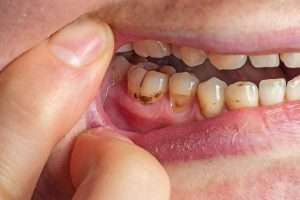
Your mouth is home to hundreds of different bacteria, most of which are harmless. However, when bacteria combine with saliva and food particles, they form a soft, sticky film called plaque. If plaque is not removed regularly through brushing and flossing, it builds up along the gum line and begins to irritate the surrounding tissue. This early stage of gum disease is called gingivitis, and it’s characterised by red, swollen gums that may bleed when you brush.
Left untreated, gingivitis can progress to a more serious condition known as periodontitis. At this stage, the infection spreads beneath the gum line, damaging the bone and connective tissue that hold your teeth in place. Teeth may become loose, painful abscesses can form, and in severe cases tooth loss becomes a real possibility. For a thorough clinical overview of both stages, the NHS: Gum Disease resource offers reliable, up-to-date guidance that is well worth reading.
Why Some People Are More Susceptible Than Others
Gum disease does not affect everyone equally, and understanding your personal risk factors can help you take more targeted action. Smoking is one of the most significant contributors — it restricts blood flow to the gums and impairs the body’s ability to fight infection, meaning smokers are far more likely to develop serious gum disease and far less likely to respond well to treatment. Cutting down or stopping altogether has a measurable and relatively quick positive effect on gum health.
Diabetes is another major risk factor. High blood sugar levels make it harder for the body to resist infection, and gum disease itself can make blood sugar more difficult to control — creating a cycle that requires careful management on both fronts. Hormonal changes during pregnancy can also make gums more sensitive and prone to inflammation, a condition sometimes called pregnancy gingivitis. Other contributing factors include stress, certain medications that cause dry mouth, and a family history of gum problems, which suggests a genetic predisposition.
Building a Genuinely Effective Oral Hygiene Routine
The foundation of gum disease prevention is a consistent, thorough home routine. Many people brush their teeth twice a day, which is excellent, but the technique matters just as much as the frequency. Use a soft-bristled toothbrush held at a 45-degree angle to the gum line and move it in small, gentle circular motions. Scrubbing too hard can actually damage gum tissue and wear away enamel over time, so a lighter touch applied consistently is far more effective than vigorous occasional brushing.
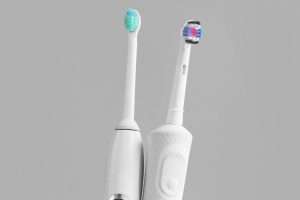 Electric toothbrushes can be particularly helpful, as they tend to remove plaque more efficiently than manual brushes and many models have built-in timers to ensure you brush for the recommended two minutes. Fluoride toothpaste should always be used — it strengthens enamel and helps protect against decay as well as gum problems.
Interdental cleaning — that is, cleaning between your teeth — is just as important as brushing, yet it’s the step most people skip. Floss, interdental brushes, and water flossers all do a good job of removing plaque and food debris from the spaces between teeth that a toothbrush simply cannot reach. These areas are precisely where early gum disease tends to begin. If you’re unsure which interdental tool suits you best, a dental hygienist can offer personalised advice based on the spacing of your teeth.
The Role of Diet and Lifestyle
What you eat and drink has a direct impact on your gum health. Sugary and acidic foods feed the bacteria responsible for plaque formation, so reducing your intake of sweets, fizzy drinks, and refined carbohydrates is genuinely beneficial. Eating a diet rich in vegetables, lean proteins, and foods high in vitamin C — such as citrus fruits, peppers, and broccoli — helps support a healthy immune response and keeps gum tissue resilient.
Staying well hydrated is also underrated. Drinking plenty of water throughout the day helps wash away food particles and maintains good saliva production, which is one of your mouth’s natural defences against harmful bacteria. Alcohol consumption, like smoking, can dry out the mouth and increase the risk of gum problems, so moderation is advisable.
Recognising the Warning Signs Early
One of the most challenging aspects of gum disease is that it can progress with very few obvious symptoms in the early stages. Knowing what to watch for means you can seek help before things become more complicated. The following signs are worth paying attention to:
- Gums that bleed during brushing or flossing, even occasionally
- Persistent bad breath that doesn’t resolve with brushing
- Gums that appear red, swollen, or that have pulled away from the teeth
- Teeth that feel sensitive, loose, or appear to have shifted position
- A bad taste in your mouth that lingers
If you notice any of these symptoms, it’s worth booking a dental appointment sooner rather than later. Gingivitis is highly treatable and fully reversible with professional cleaning and improved home care, whereas periodontitis requires more involved treatment and cannot be fully reversed, only managed.
Gum Disease at a Glance: Key Facts and Comparisons
To help put gum disease prevention in context, the table below summarises the key differences between healthy gums, gingivitis, and periodontitis, along with typical signs and approaches to management.
| Condition | Typical Signs | Reversible? | Typical Management |
|---|---|---|---|
| Healthy Gums | Pale pink, firm, no bleeding, no pain | N/A — maintain with good hygiene | Regular brushing, flossing, and dental check-ups |
| Gingivitis | Red or swollen gums, bleeding when brushing, mild bad breath | Yes — fully reversible with treatment | Professional scale and polish, improved home routine |
| Mild to Moderate Periodontitis | Gum recession, deeper bleeding, persistent bad breath, some bone loss | Partially — manageable but not fully reversible | Deep cleaning (root planing), hygienist support, lifestyle changes |
| Severe Periodontitis | Loose teeth, abscesses, significant bone loss, pain | No — requires ongoing specialist management | Periodontal therapy, possible surgical intervention, close monitoring |
Why Regular Professional Care Makes All the Difference
Even the most diligent home routine cannot remove all plaque and tartar — particularly tartar, which is hardened plaque that forms when mineral deposits build up and can only be removed with professional instruments. Regular dental check-ups and hygienist appointments allow your dental team to spot early signs of gum disease before they escalate, carry out a thorough clean of the areas that are hardest to reach at home, and offer tailored advice to address any specific vulnerabilities in your oral health.
Most dentists recommend a check-up at least once a year, with hygienist visits every six months or more frequently if you have a history of gum problems. These appointments are not just reactive — they’re one of the most proactive steps you can take for your long-term dental health.