

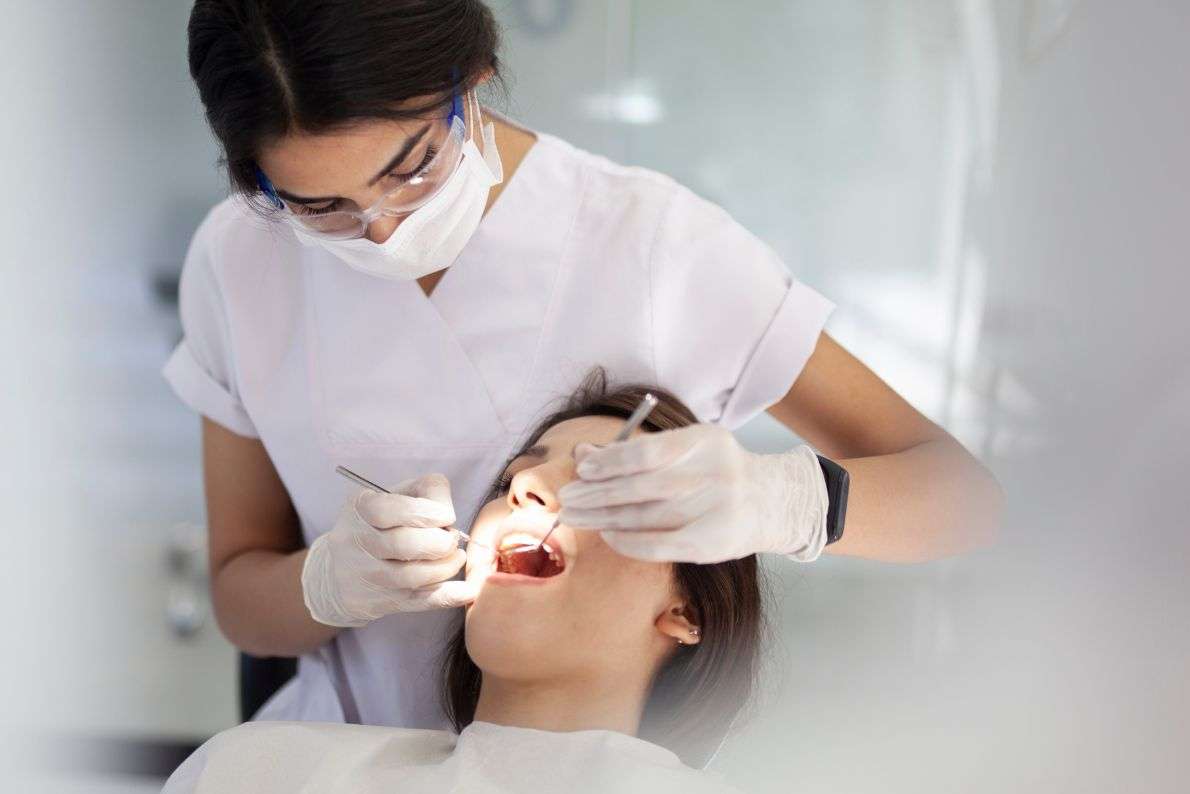
Two of the most common questions patients ask when booking a hygienist appointment are how long the session itself will take and how long the results will last before they need to come back. The answers to both questions depend on several interrelated factors, including the current state of your gum health, how much calculus has accumulated since your last visit, and how consistently you maintain a good home care routine in between appointments. At our hygienist clinic in Edinburgh, we tailor every appointment to the individual patient, which means appointment length and recall intervals vary from person to person. This article explains what drives those differences and what you can realistically expect.
How Long Does the Appointment Take?

For most patients attending for a routine hygienist visit, the appointment runs between 30 and 60 minutes. This allows time for a gum health assessment at the start of the session, thorough scaling above and below the gumline, polishing, and oral hygiene instruction at the end. A first appointment with a new hygienist typically runs slightly longer because a full baseline assessment needs to be carried out, including probing around every tooth to measure pocket depths, recording any recession or furcation involvement, and documenting bleeding on probing. This baseline record is essential for monitoring changes over time.
For patients with significant calculus build-up or active gum disease, the appointment may be extended, or the treatment may be spread across more than one session. This is particularly common when root surface debridement is required — a more intensive procedure that involves carefully cleaning the root surfaces below the gumline to remove bacterial deposits and encourage the gum tissue to heal. Attempting to complete all of this in a single appointment would be uncomfortable and rushed, and the results would be inferior to those achieved across a properly planned course of treatment.
How Long Do the Results Last?
This question has a more nuanced answer because it conflates two separate things: how long the aesthetic improvement lasts (brighter, smoother teeth with reduced staining) and how long the clinical improvement in gum health lasts before intervention is needed again. These are not the same thing, and confusing them leads to unrealistic expectations.
The aesthetic improvement — cleaner, less stained teeth — begins to reverse as soon as you consume tea, coffee, red wine, or other staining substances, and as plaque begins to reform on the tooth surface. This does not mean the hygienist’s work has failed; it simply reflects normal biology. Plaque begins to reform on the tooth surface within hours of professional cleaning, though it takes days to weeks to reach the stage where it becomes clinically significant. The clinical benefit — reduced pocket depths, healthier gums, less bleeding, and lower levels of pathogenic bacteria — can last considerably longer when supported by a good home care routine.
The Role of Home Care in Sustaining Results
The single most important factor in how long the results of a hygienist appointment last is what you do at home every day. Professional scaling removes the calculus and disrupts the bacterial biofilm, but it cannot prevent plaque from reforming. Your daily brushing and interdental cleaning routine is what keeps that reforming plaque from progressing into calculus and eventually driving the inflammation that leads to gum disease. Patients who brush effectively twice a day and clean between their teeth every day retain the benefits of their hygienist appointment far longer than those who are inconsistent in their home care.
The NHS guidance on gum disease is clear that good oral hygiene at home is the foundation of gum disease prevention and treatment. Professional cleaning is a powerful adjunct to this, but it is not a substitute for it. Think of the hygienist appointment as resetting the baseline — the work you do at home determines how quickly that baseline degrades.
Individual Factors That Affect Results
 Beyond home care, several individual factors influence how quickly calculus builds up again and how long the gum health improvement lasts. Smoking is one of the most significant: tobacco use impairs blood flow to the gum tissue and suppresses the immune response, making gums more susceptible to bacterial infection and slower to heal after treatment. Smokers typically need more frequent professional cleaning than non-smokers, and their response to treatment is generally less pronounced.
Systemic health conditions — particularly diabetes — also have a significant impact. There is a well-established bidirectional relationship between diabetes and periodontitis: poorly controlled blood glucose increases the risk and severity of gum disease, while active gum disease makes blood glucose control more difficult. Patients with diabetes often find that their gum health fluctuates in line with their general health and may need more frequent hygienist appointments as a result.
Genetics play a role too. Some people are inherently more susceptible to gum disease than others, even with excellent oral hygiene. If gum disease runs in your family, or if you have been told that your gum health is poor despite consistent home care, you may simply need to attend more frequently than average. This is not a failure of effort; it is a reflection of individual biology, and it is something the hygienist will factor into her recall recommendation.
How Often Should You Come Back?
The recall interval — the time between hygienist appointments — is determined by your individual clinical needs rather than by a one-size-fits-all rule. For healthy adults with stable gum health and no significant risk factors, a six-monthly appointment is usually appropriate. For patients with a history of periodontitis or significant calculus build-up, three-monthly or four-monthly intervals are more common. During an active treatment phase for moderate to severe gum disease, appointments may initially be scheduled every six to eight weeks.
As your gum health stabilises over time, the interval can often be extended. The goal is to find the minimum frequency that maintains your gums in good health. Your hygienist will review this recommendation at each appointment and adjust it based on what she sees clinically.
Between scheduled appointments, pay attention to any changes in your gum health. Bleeding when brushing or using interdental brushes is one of the most reliable early warning signs of gingivitis. Persistent bad breath despite good oral hygiene, a sensation of looseness in any tooth, or visible recession of the gum line are all reasons to contact the practice and arrange an earlier appointment rather than waiting. Catching changes early is always preferable to addressing them after they have progressed.
Factors Affecting Longevity of Hygienist Results
| Factor | Impact on Results | What to Do |
|---|---|---|
| Daily brushing and interdental cleaning | Single greatest factor in maintaining results | Brush twice daily; clean between teeth every day |
| Smoking | Significantly reduces results and increases recall frequency needed | Seek smoking cessation support; inform hygienist |
| Diabetes (poorly controlled) | Accelerates gum disease progression; reduces treatment response | Work with GP to improve blood glucose control |
| Genetic susceptibility | Some patients build calculus faster or respond less to treatment | Accept more frequent appointments as a long-term strategy |
| Diet (high sugar, staining foods and drinks) | Increases plaque formation rate and surface staining | Moderate intake of tea, coffee, wine, and sugary foods |
| Dry mouth (xerostomia) | Reduces natural saliva protection; accelerates calculus formation | Use saliva substitutes; discuss with hygienist |
| Recall interval | Longer gaps allow more calculus accumulation | Attend at hygienist-recommended frequency |
Setting Realistic Expectations
 It is worth being honest about what a hygienist appointment can and cannot achieve in a single session. It can remove calculus that has accumulated since your last visit, reduce bacterial load significantly, improve gum health measurably over the following weeks as the tissue heals, and give you the tools and knowledge to maintain that improvement at home. It cannot reverse bone loss that has already occurred, permanently eliminate susceptibility to gum disease, or replace the daily work of home oral hygiene. Approached with realistic expectations and supported by a consistent home routine, professional hygiene treatment is one of the most effective preventive health interventions available.
We recommend discussing your individual recall interval at your next appointment so that we can tailor our recommendations to your specific oral health profile. Whether you are attending for the first time or returning for ongoing maintenance, our team is here to support your long-term gum health. Contact Essential Dental Care in Polwarth, Edinburgh, or call us on 0131 229 1806 to book your next visit.